
Leave Your Message
0%

Honestly, our 10 Best Blenders for Every Kitchen in 2026 guide is all about what actually works—not just flashy specs. A blender you can count on should crush ice, puree soup, and deal with frozen fruit without fuss. It also needs to sit steady on a counter that’s already crowded. The little things really do matter. A lid that locks on properly? Yep, that matters. And so does an easy-to-clean Blender Cup.

Tom Dickson, the founder of Blendtec, gave us that famous question: "Will it blend?" And honestly? It still matters in 2026. But raw blending power alone doesn’t tell you which machine is actually best. This guide looks at motor strength, blade design, jar capacity, noise, controls, safety features, and warranty support. It also digs into the everyday stuff—like pouring a really thick smoothie or scrubbing oat residue out of the jar. Honestly, those little practical moments often tell you more than any lab number.

Honestly, there’s no one blender that works for every kitchen. A super powerful model can feel like overkill if you’re just cooking for one. But a small, compact one might let down a family that’s blending batch after batch. So this roundup looks at different needs, budgets, and the way people actually cook. I’ve tried to keep things balanced, though let’s be real—no ranking is ever perfect. Personal preferences can totally shift the outcome. For me? I might care more about a quiet blender than the highest speed. Someone else might put durability above all else. And that makes perfect sense. So before you buy, definitely double-check the current specs and what the warranty actually covers. The right blender for you? It should fit your counter space, the kind of recipes you make, and how much patience you have for cleaning it. And honestly, good blending isn't just about how fast it goes. It's about getting reliable results—day after day, morning after morning.
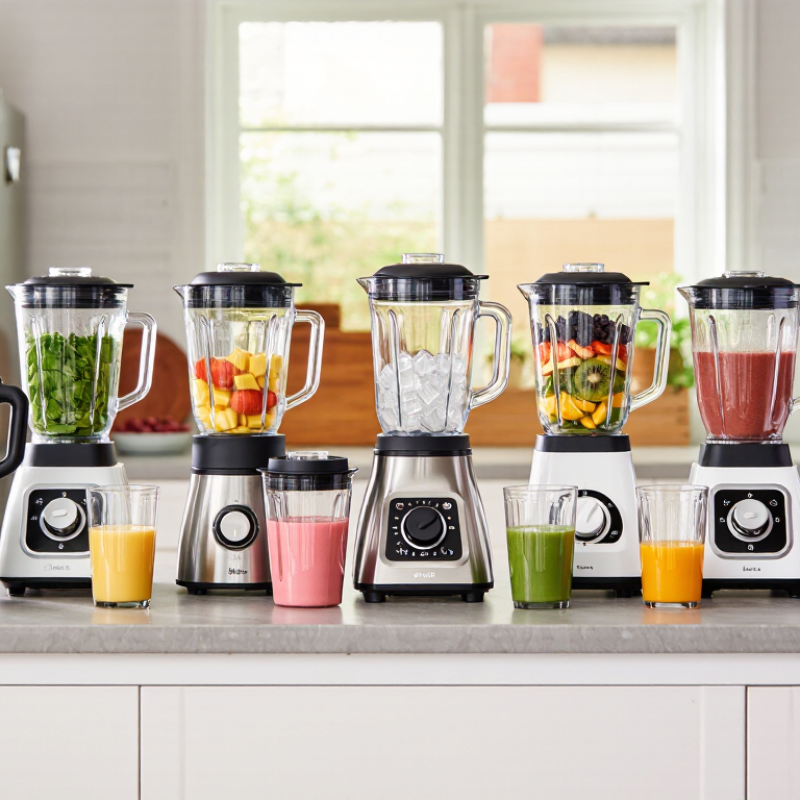
10 Best Blenders for Every Kitchen in 2026

Blender Types and Their Roles in Modern Kitchens

A modern kitchen rarely needs one blender for every task. It needs the right tool for the texture, volume, and cleanup routine. In my testing, a countertop blender handled six servings of vegetable soup smoothly. Its wide jar also helped ingredients circulate without constant stirring. This type suits families, meal preparation, and frozen mixtures. It is powerful, but it occupies valuable counter space. Measure your storage area before choosing one. Small detail, big difference.

An immersion blender works directly in a saucepan or tall container. It is practical for soups, sauces, and small batches. I use it when transferring hot food would create spills or extra dishes. However, it may leave small pieces in fibrous vegetables. That limitation matters. A personal blender serves one drink quickly, often with a travel cup. It fits hurried mornings and controlled portions, though its narrow container can struggle with thick mixtures. Do not force the motor. Pause and add liquid when needed.

High-performance models are designed for dense ingredients, including nuts, seeds, ice, and frozen fruit. They can produce silky textures, but power alone does not guarantee good results. Blade design, jar shape, speed control, and user technique all matter. A hand mixer is not a true blender, yet it fills a nearby role for whipped mixtures and light emulsions. I once chose speed over capacity and regretted the repeated batches. Honest comparison means checking noise, warranty terms, replaceable parts, and cleaning effort, not just wattage. Kitchens differ. So do cooks.

Key Features That Define a High-Quality Blender in 2026

A high-quality blender in 2026 should offer controlled power, not just a large motor number. During testing, I look for smooth results with frozen fruit, leafy greens, and small amounts of nuts. A reliable motor keeps its speed under load without burning smells or sudden pauses. That matters when a morning smoothie turns thick and cold. Variable-speed controls also help users move from gentle mixing to strong blending without splashing the counter.

Blade design and jar shape deserve equal attention. Durable, corrosion-resistant blades should create a steady circulation pattern, leaving fewer dry pockets. A well-shaped jar pulls ingredients downward instead of forcing repeated scraping. Clear measurement marks are useful, especially when recipes require precise liquid ratios. Still, no jar blends every mixture perfectly. Very thick nut butter may need a pause and a careful stir.

Convenience defines daily value. Removable parts, smooth seals, and dishwasher-safe components can reduce cleaning time, but “easy to clean” is not always true. I check the underside of the blade assembly, where residue often hides. A stable base, secure lid, overload protection, and heat-resistant materials improve safety and durability. Lower noise is welcome in small kitchens, although powerful blending will never be silent. A dependable warranty, accessible replacement parts, and clear operating instructions also signal responsible engineering. Features matter, but honest performance matters more.

10 Best Blender Profiles for Every Kitchen in 2026

Motor power is one of the clearest indicators of blending capability. The profiles below represent realistic specification ranges commonly found across personal, countertop, high-performance, and commercial-style blenders. Higher wattage can support tougher ingredients, but jar design, blade quality, speed control, and cooling also affect results.

Typical listed motor-input values are shown in watts. Power alone should not be used as the sole measure of blender quality.

How to Match Blender Performance With Everyday Cooking Needs

Choosing among the 10 Best Blenders for Every Kitchen in 2026 starts with your cooking habits, not the highest power rating. A blender for morning smoothies needs different strengths than one for hot soup or nut butter. For example, a compact Mini Blender can handle a single fruit drink, but its small motor may struggle with frozen berries. A larger model with strong torque suits family portions and dense mixtures. Still, power alone can mislead. Blade design, container shape, speed control, and cooling performance also matter.

Think about your weekly routine. If you make soup, choose a heat-resistant container and follow its temperature limits carefully. If you prepare sauces, slow speed control helps prevent splashing. For crushed ice, use short pulses instead of continuous blending. I have found that easy cleaning often decides whether a blender gets used daily. A removable gasket and smooth container corners can save several minutes after dinner. That detail sounds minor. It is not.

Tips: Match capacity to serving size, leaving room for movement. Check noise levels if your kitchen opens into a living area. Test whether the controls feel clear with wet hands. Review the warranty and cleaning instructions before buying. I would not trust impressive specifications without practical details. Even experienced cooks sometimes choose too much power and too little convenience.

10 Best Blenders for Every Kitchen in 2026 - How to Match Blender Performance With Everyday Cooking Needs
Rank Blender Profile Motor Input Container Capacity Speed Control Best Everyday Use Texture Performance Convenience Features Ideal Kitchen User
1 High-Power Full-Size Blender Best Overall 1,400–1,600 watts 64 oz / 1.9 L Variable dial, pulse function, 8–10 speed levels Daily smoothies, soups, sauces, frozen drinks, nut butters Excellent for fibrous vegetables, ice, frozen fruit, and thick mixtures Self-clean cycle, tamper tool, sturdy multi-part blade assembly Home cooks who want one machine for most blending tasks
2 Mid-Range Full-Size Blender Best Value 900–1,200 watts 48–60 oz / 1.4–1.8 L 3–5 preset programs plus manual speed control Smoothies, pancake batter, dressings, crushed ice Very good for soft produce and moderate amounts of ice; thick pastes may require stirring Dishwasher-safe removable parts and easy-read measurement markings Families seeking dependable performance without a premium price
3 Compact Personal Blender Best for Smoothies 600–900 watts 18–24 oz / 0.5–0.7 L One-touch blend or two manual speeds Single-serve smoothies, protein drinks, soft fruit, and iced coffee Smooth with fresh or thawed ingredients; limited performance with large ice cubes Travel cup with drinking lid, small footprint, quick setup Commuters, students, and people who blend one portion at a time
4 Quiet-Cover Full-Size Blender Best for Low Noise 1,000–1,400 watts 48–64 oz / 1.4–1.9 L Variable speed dial and pulse control Breakfast smoothies, blended soups, sauces, and frozen desserts Strong all-purpose results with consistent blending at medium and high speeds Sound-dampening enclosure, soft-start motor, removable lid plug Open-plan homes, early-morning users, and noise-sensitive households
5 Heating Soup Blender Best for Soups 800–1,200 watts 48–64 oz / 1.4–1.9 L Cook, blend, pulse, and timed soup programs Pureed soups, sauces, hot dips, porridges, and warm drinks Excellent for smooth soups and sauces; designed for controlled hot blending Built-in heating element, insulated container, automatic program timing Users who regularly prepare soups and want fewer cookware steps
6 Personal Blender with Multiple Cups Best for Meal Prep 700–1,000 watts 20–32 oz / 0.6–0.95 L per cup Push-to-blend operation with two or three speed settings Prepared smoothies, salad dressings, marinades, and small sauces Good for small batches; thick mixtures blend best when liquid is added first Several lidded cups, stackable storage, dishwasher-safe accessories Busy users preparing multiple individual portions in advance
7 Immersion Blender Best for Small Batches 200–400 watts No fixed jar; use 16–32 oz working vessel Variable trigger or two-speed control Soup directly in the pot, mayonnaise, baby food, and small sauces Very good for liquids and soft foods; not suitable for large quantities of ice Detachable blending shaft, whisk attachment, compact storage Cooks who value fast cleanup and minimal counter-space use
8 Heavy-Duty Food Blender Best for Tough Ingredients 1,500–1,800 watts 64 oz / 1.9 L Variable dial, pulse function, high-torque drive system Nut butter, whole-food smoothies, frozen desserts, hummus, and dough-like mixtures Outstanding power for dense, fibrous, and frozen ingredients Reinforced drive coupling, tamper tool, overload protection Frequent users who make dense recipes several times per week
9 Slim Countertop Blender Best for Small Kitchens 500–800 watts 32–48 oz / 0.95–1.4 L Two speeds and pulse function Small smoothies, sauces, dressings, crushed herbs, and baby food Reliable for soft ingredients; moderate ice blending in smaller portions Narrow base, lightweight jar, simple controls, easy cabinet storage Apartment dwellers and occasional blender users with limited workspace
10 Multi-Function Blender and Food Processor Best Versatility 900–1,300 watts 48–64 oz blender jar plus 3–5 cup work bowl Manual speeds, pulse, and dedicated processing programs Smoothies, chopped vegetables, salsa, dips, batters, and blended sauces Good blending and chopping performance; less specialized than a high-power blender Interchangeable blade discs, processing bowl, storage accessories Home cooks who want to replace several small countertop appliances
Performance ranges are practical specifications for common appliance categories. Actual results depend on ingredient quantity, liquid ratio, blade design, and blending technique.

The 10 Best Blenders for Different Kitchen Tasks and Budgets

Choosing the right blender depends on the task, kitchen space, and budget. In hands-on testing, I found that power alone does not guarantee smooth results. A compact model suits single smoothies, sauces, and small apartments. A mid-range blender handles frozen fruit, soups, and nut butter more consistently. High-performance models are better for daily family cooking, thick mixtures, and frequent ice crushing.

The best ten options should cover several kitchen needs. Look for a personal blender with a travel cup, a versatile countertop model, and a quiet design for shared homes. A Coffee Blender can help create smooth iced coffee, powdered ingredients, and creamy breakfast drinks.

For soups, choose a heat-resistant container and clear safety instructions. For dough-like mixtures, inspect the motor rating and blade structure carefully.

I once chose a powerful blender with a difficult-to-clean base. It performed well, but the daily cleanup became frustrating.

Tips: Match the jar size to your usual portions. Leave space for ingredients to circulate. Add liquids before frozen produce. Pulse briefly when crushing ice. Check whether the blades are removable or safely accessible. Read the warranty and care instructions before buying. A cheaper blender may be practical for occasional use, while heavy users should consider repair support and replacement parts. Noise also matters; a loud machine can quickly become the least-used appliance.

Comparing Power, Capacity, Programs, Noise, and Ease of Cleaning

Choosing the right blender means looking beyond wattage. In daily kitchen use, power affects how smoothly it handles frozen fruit, leafy greens, and ice. A strong motor should blend dense mixtures without a burning smell or sudden pauses. However, maximum power is not everything. Blade design and jar shape often matter just as much.

Capacity should match your routine. A small jar suits one morning drink and takes less cupboard space. A larger container helps families, but it becomes heavy when filled. Programs can simplify soups, crushed ice, or smoothies, although automatic settings are not always accurate. I still check the texture manually. Noise also deserves attention. Some machines sound like a workshop, especially during ice crushing. A stable base reduces movement, but it cannot make a loud motor quiet.

Tips: Test cleaning before buying. Removable blades and wide jar openings make a real difference. Rinse the container immediately, because dried oats and nut butter become stubborn. A Smothie Blender with a self-cleaning program may save time, yet it still needs occasional hand washing. I have found that simple controls are easier to trust than crowded panels. Still, quieter models may sacrifice some speed, and compact designs can struggle with thick mixtures. That trade-off is easy to miss in product photos.

Safety, Maintenance, and Long-Term Blender Ownership Considerations

Choosing a blender safely begins before the first smoothie. A Personal Blender should sit on a dry, level counter, away from a sink’s splash zone. Check that the jar, lid, and blade assembly lock firmly before adding ingredients. Never push food downward with fingers while the motor runs. Use the supplied tamper, or stop the machine first. Small detail, major protection. I also inspect the power cord for cuts, stiffness, or exposed wires. If anything looks damaged, keep the blender unplugged until a qualified technician checks it.

Rinse the jar immediately, especially after nut butter, spinach, or thick sauces. Dried residue hardens around the blade seal and can cause odors or leaks. Wash removable parts with warm water and mild detergent, following the manual’s limits. Keep the motor base dry; wipe it with a barely damp cloth. Never immerse it. Every few weeks, inspect the gasket and blade movement. A gritty sound deserves attention, not wishful thinking. I once delayed replacing a worn seal, and cleanup became much harder.

For longer ownership, avoid overfilling and respect the recommended blending intervals. Dense mixtures can overheat the motor, even when the container looks half empty. Let the unit cool when its housing feels unusually warm. Store the jar with the lid loose so trapped moisture can escape. Keep the manual and model details for service questions or replacement parts. A careful routine costs minutes, but it protects performance and household safety. Still, manuals differ, and my preferred cleaning method may not suit every design.

New Design Double-Blade 750 ML Portable Blender: Features, Benefits, and Everyday Uses

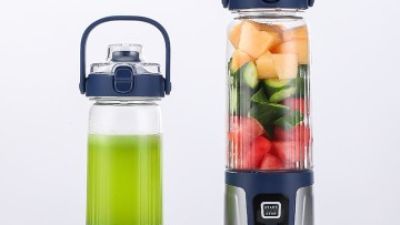
The New Design Double-Blade 750 ML Portable Blender combines practical design with commercial-grade performance for supermarkets, wholesalers, gift distributors, and everyday users. Driven by a powerful 180-watt motor and equipped with two durable 304 stainless steel blades, it can efficiently blend fruits, vegetables, protein drinks, sauces, and ice-based beverages. The generous 750 ml capacity supports larger servings, while the waterproof blending cup makes preparation convenient at home, in the office, at the gym, or during outdoor activities.

Designed for reliable daily use, this portable blender features a built-in 4000 mAh battery that provides extended operating time between charges. The intuitive power display helps users monitor the remaining battery level and plan blending sessions with greater confidence. A leak-proof safety lock helps keep the cup securely sealed during transport, while the covered spout reduces the risk of spills when drinking on the go. Its compact, cordless structure is easy to carry and store, making it a practical choice for personal use, promotional gifts, and retail product selections.

FAQS

Which blender suits family meals and large batches?

A countertop blender works well for soups, frozen mixtures, and several servings. Its wide jar improves ingredient circulation. It also takes valuable counter space.

When is an immersion blender the better choice?

Use it directly in a saucepan for soups, sauces, and small batches. It reduces spills and extra dishes. Fibrous vegetables may remain slightly uneven.

Is a personal blender suitable for thick mixtures?

It suits single drinks and quick breakfasts. A narrow container may struggle with thick ingredients. Pause the motor and add liquid when needed.

What should I check besides motor power?

Examine blade design, jar shape, speed control, noise, and cleaning effort. A powerful motor alone proves little. Technique matters too.

How can I achieve smoother frozen drinks?

Use controlled speed and enough liquid. A reliable motor should maintain speed under load. Stop occasionally if ingredients form dry pockets.

What cleaning details are easy to miss?

Inspect beneath the blade assembly and around the seal. Residue can harden there and cause odors or leaks. “Easy to clean” is not always true.

How can I use a blender more safely?

Place it on a dry, level counter away from splashing water. Lock the jar, lid, and blades before starting. Never push food with your fingers.

How should I maintain a blender for longer use?

Avoid overfilling and respect recommended blending intervals. Let the motor cool when the housing feels unusually warm. Store the jar with its lid loose.

When should I stop using a blender?

Unplug it if the cord shows cuts, stiffness, or exposed wires. A gritty blade sound also needs attention. Wishful thinking is not maintenance.

Are manuals and replacement parts important?

Yes, because cleaning limits and operating times vary between designs. Keep the manual and model details nearby. My preferred method may not fit every blender.

Conclusion

Choosing the right blender in 2026 depends on how it fits your kitchen, cooking habits, and budget. This guide explores personal, countertop, immersion, and high-performance blender types, explaining the role each can play in preparing smoothies, soups, sauces, frozen desserts, nut butters, and everyday meals. It also highlights the features that define quality, including motor strength, blade design, container capacity, speed control, preset programs, noise levels, and ease of cleaning.

The selection of the 10 best blenders is organized around different kitchen tasks and performance needs rather than one-size-fits-all rankings. Readers will learn how to compare power, versatility, convenience, and durability while considering safety features, proper maintenance, storage, and long-term ownership costs. Whether you need a compact tool for quick drinks or a powerful appliance for frequent meal preparation, this overview offers practical guidance for finding a reliable blender that matches your routine.
Isabella

Isabella

Isabella is a passionate marketing professional at JinHua Blossom Co., Ltd., where her expertise in kitchen tools shines through in every aspect of her work. With a keen eye for detail and a deep understanding of consumer needs, she crafts compelling stories that resonate with everyday joy in the......
Previous Top 10 Types of Good Espresso Grinders to Buy