

Leave Your Message
0%

Global buyers are starting to rethink how cooking oil gets dispensed, stored, and put in front of people. The bottle oil sprayer now lives in this weird middle ground—kitchen convenience, packaging engineering, and food-use hygiene all at once. A fine mist can help cut back on excess oil. A controlled stream? That's useful for roasting, grilling, and keeping an eye on portions. But performance isn't just about looks. Trigger force, nozzle geometry, seal quality, and how thick the oil is—all of that matters.

Industry reports explain why this category deserves a closer look. Grand View Research reported continued growth in global food packaging demand, pushed by convenience, portability, and better product protection. Smithers also points to recyclability, material reduction, and dispensing performance as big packaging priorities through 2029. Still, these reports rarely break out every Oil Sprayer Bottle format. And that gap matters. Buyers shouldn't assume broad packaging growth means every sprayer is a winner.

Lars Wallentin, a veteran packaging designer and former Nestlé packaging adviser, once said, “Packaging is not about the package; packaging is about the product.” That's still practical advice here. The right bottle oil sprayer should protect the oil, give a predictable dose, and feel natural when you use it over and over. Glass can bring premium presentation and strong barrier properties. PET can cut weight and ease shipping stress. Stainless steel might improve durability, but it can add cost and make recycling decisions messier.

There's no perfect type. Not yet, anyway.

This 2026 guide compares trigger sprayers, pump misters, aerosol-free pressurized designs, and precision pour-spray hybrids. It looks at spray consistency, leak resistance, refillability, cleaning effort, and what buyers expect in different regions. Some conclusions may shift as testing improves. And that uncertainty? It should push you toward careful sampling, not rushed purchasing.

2026 Top Bottle Oil Sprayer Types for Global Buyers

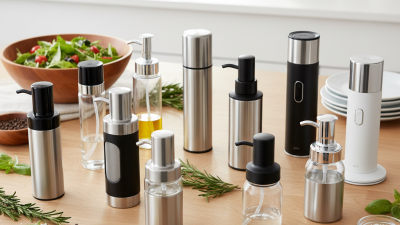
Define 2026 Bottle Oil Sprayers by Pump, Trigger, Mist, and Pressure Systems

2026 Top Bottle Oil Sprayer Types for Global Buyers

Define 2026 Bottle Oil Sprayers by Pump, Trigger, Mist, and Pressure Systems

Bottle oil sprayers differ mainly by pump, trigger, mist, and pressure design. These parts shape dispensing accuracy, cleaning effort, and user comfort.

Manual pump models use repeated presses to build pressure. They suit kitchens, cafés, and small food-service areas. A firm pump should return smoothly without leaking around the neck. Some pumps feel strong at first but weaken after frequent use. Buyers should test at least 1,000 cycles before making a large order.

Trigger sprayers offer faster control for wider cooking surfaces. Their finger-operated design works well when users need short, repeated sprays. However, the trigger may become stiff when oil residue dries inside the mechanism. A removable head and a wide filling opening make maintenance easier.

Mist systems need careful evaluation. A fine mist can reduce oil use, but thick oils may produce uneven droplets. Pressure systems often improve consistency, especially with vegetable oils of stable viscosity. Still, pressure is not everything. Excessive pressure can create messy overspray and increase packaging stress during transport.

Ask suppliers for spray-output tests, leakage checks, and material documentation. Food-contact components should match the destination market’s requirements. Clear instructions should state the recommended oil viscosity and cleaning method. In practical trials, spray performance can change with temperature, oil age, and bottle angle. That detail is easy to overlook.

Compare 0.2–1.0 mL Doses Across Fine-Mist, Stream, and Fan Nozzles

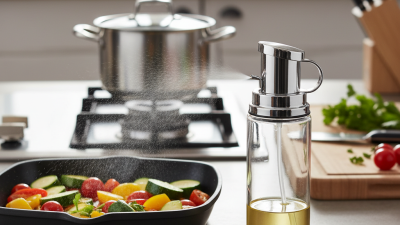
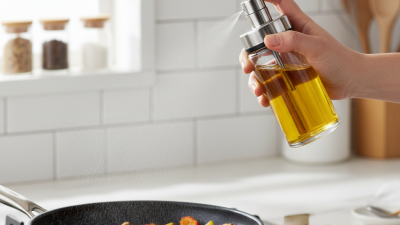
For global buyers, the Bottle Oil Sprayer should be judged by delivered dose, not appearance. A 0.2 mL fine-mist nozzle spreads a light veil over a pan or salad. It suits users seeking broad coverage with minimal oil. A 0.5 mL stream nozzle creates a narrow, visible line. This supports controlled sautéing and targeted coating. The 1.0 mL setting delivers a heavier portion.

The difference is measurable. USDA FoodData Central lists olive oil at roughly 119 calories per 13.5 grams. Using an approximate density of 0.91 grams per milliliter, one spray delivers about 1.7 calories at 0.2 mL and 8.2 calories at 1.0 mL. These figures are estimates, not label claims. Actual output changes with viscosity, temperature, trigger pressure, and fill level. Fine mist feels economical, but wind and pan heat can reduce coverage. Stream nozzles waste less in open air, yet they can over-apply quickly.

Fan nozzles sit between both designs. A 0.7 mL fan pattern can coat several centimeters with fewer trigger presses. A 2024 PMMI packaging trends report highlights growing demand for portion control and easier dispensing in food packaging. That trend supports adjustable mechanisms, clear dose markings, and repeatable testing. Buyers should request at least 30 consecutive sprays per nozzle, then compare average volume and variation. Do not trust one test. I have seen apparently identical sprayers produce different patterns after storage, especially when seals soften or oil cools. Temperature testing is still easy to overlook.

Match 100–500 mL Bottle Sizes to Household, Foodservice, and Retail Needs

For global buyers, bottle size should follow the hand, not only the shelf. The 2024 UNEP Food Waste Index Report estimates 1.05 billion tonnes of food waste in 2022. Households produced 60% of it. A controlled Oil Sprayer can reduce over-pouring, but size still affects daily use.

Choose 100–150 mL for small kitchens, travel catering, or single-person homes. These bottles feel light beside a cutting board. A 200 mL trigger or pump bottle suits regular family cooking. It offers more refills without becoming awkward near a hot pan. Fine mist models spread oil across vegetables and baking trays. Stream models give better control for marinades and measured finishing.

Foodservice needs tougher choices. USDA Economic Research Service data shows food-away-from-home spending represented 58.5% of U.S. food spending in 2023. For prep stations, 300–500 mL bottles reduce refill interruptions. A wide, stable base matters when staff work quickly. Trigger heads tolerate frequent operation, while pump heads can support repeat portioning. Retail shoppers often prefer 200–500 mL sizes, balancing visible value with manageable weight. Transparent walls help users judge remaining oil, though light-sensitive products may need opaque packaging. One caveat remains: bigger is not automatically better. A 500 mL bottle may save labor, yet it can collect residue around the nozzle. Cleanability, leak testing, and spray consistency deserve hands-on checks. A sample can look excellent online and disappoint beside a real fryer.

Evaluate PET, PP, and Glass Under FDA 21 CFR and EU 1935/2004 Rules

2026 Top Bottle Oil Sprayer Types for Global Buyers

Evaluate PET, PP, and Glass Under FDA 21 CFR and EU 1935/2004 Rules

Choosing an oil sprayer starts with the complete food-contact system, not the bottle alone. PET offers low weight and clear visibility, while PP handles many closures and internal components effectively. Glass provides strong chemical resistance and a premium feel, but it adds breakage and shipping concerns. Each option still needs assessment for the oil type, filling temperature, storage period, and spray mechanism.

Under FDA 21 CFR requirements, buyers should verify that every food-contact material has an appropriate regulatory basis for its intended use. In the EU, Regulation (EC) No 1935/2004 requires materials to avoid harmful migration and unacceptable changes in food composition. Ask suppliers for migration test reports, declarations of compliance, and traceability records. Test the assembled sprayer, too. A compliant bottle may fail when its gasket, tube, spring, or colorant contacts oil.

Real purchasing checks matter. Fill samples with the actual oil, store them under expected conditions, and inspect odor, color, leakage, and spray consistency. PET can become less suitable with some oils or heat exposure. PP may resist stress better, but its performance depends on formulation and processing. Glass is stable, yet its cap and pump remain potential migration points. Documentation can look complete and still miss the final assembly. That gap deserves honest review.

2026 Top Bottle Oil Sprayer Types for Global Buyers

PET, PP, and glass comparison under FDA 21 CFR and EU Regulation (EC) No 1935/2004 considerations

Glass provides the highest barrier performance and the lowest interaction risk with edible oils, but it is heavier and more breakable. PET is lightweight and transparent, while PP offers the lowest density and strong chemical resistance. FDA 21 CFR and EU 1935/2004 compliance depends on the complete food-contact article, including additives, colorants, closures, gaskets, and migration-test results; the material names alone do not guarantee compliance.

Chart data uses typical material-property values: density in g/cm³, 24-hour water absorption in %, and indicative oxygen transmission performance at standard laboratory conditions. Actual results vary by grade, wall thickness, processing, and test method.

Test Oil Compatibility by Viscosity, Seal Design, and Residual Volume

2026 Top Bottle Oil Sprayer Types for Global Buyers

A Food Oil Sprayer must match oil viscosity, seal design, and residual volume. Spray quality changes quickly with temperature. Olive oil may atomize poorly below 15°C, while lighter oils usually form finer droplets. The USDA Oilseeds: World Markets and Trade report forecasts global vegetable-oil production near 223 million metric tons for 2024/25. That scale makes compatibility testing more than a kitchen detail.

Use ASTM D445 or ISO 3104 methods to compare kinematic viscosity before testing. A practical bench test measures spray output at 20°C and 40°C. Record ten sprays, then calculate average mass per stroke. Watch the pattern closely. A narrow jet suggests excessive resistance, not necessarily a defective pump.

Silicone, EPDM, and fluoropolymer seals respond differently to oil exposure. Check swelling, stiffness, and odor after seven days. Material compatibility charts help, but real oil testing remains necessary.

Residual volume is often overlooked. Fill the bottle with 100 grams of oil, spray ten times, and weigh the container again. Measure the oil left below the pickup tube. A 0.5-gram difference can matter in small food-service packs. In bench checks, I have seen smooth-looking bottles retain oil around the actuator. The result was disappointing. Buyers should repeat tests after washing, because detergent and heat can alter seal behavior. A clearer test record would prevent many rushed purchasing decisions.

Verify Leak Resistance, Spray Consistency, and 10,000-Cycle Pump Durability

2026 Top Bottle Oil Sprayer Types for Global Buyers

Bottle oil sprayers now include trigger models, pump misters, and pressure-assisted designs. Each type needs different verification. Grand View Research’s 2024 kitchenware analysis identifies convenience, portion control, and reusable formats as important purchasing factors. These trends make performance testing more valuable than attractive packaging.

Begin with leak resistance. Fill the bottle to its working level, store it horizontally, and shake it for 60 seconds. Inspect the cap, neck, gasket, and trigger joint. A clear bottle can still mislead; oil may hide beneath the collar. Test samples after temperature changes, because seals often contract overnight.

UNEP’s Food Waste Index Report 2024 estimates 1.05 billion tonnes of food were wasted in 2022. Preventing messy over-dispensing supports better household control, although one sprayer cannot solve food waste.

Spray consistency requires repeated measurements. Record the first ten sprays, then compare output weight after 100, 1,000, and 10,000 pump cycles. A practical target is stable coverage without sudden sputtering or a heavy first burst.

ASTM-style conditioning and ISO 2859-1 sampling principles can strengthen inspection records, but 10,000-cycle durability remains a buyer-defined requirement. It should be written into the purchase specification. Not every pump reaches it.

That is the uncomfortable part. Suppliers should provide cycle videos, batch records, and failed-sample data, not only polished demonstrations.
Rank Global Suppliers by MOQ, Certifications, Lead Time, and Total Cost

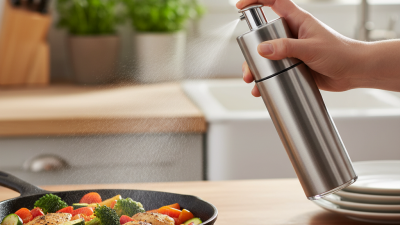
For 2026, global buyers should compare Olive Oil Sprayer suppliers by more than unit price. Fine-mist, trigger, and measured-dose types serve different cooking and packaging needs. Top-ranked suppliers usually offer food-contact documentation, ISO 9001 systems, stable nozzle testing, and flexible customization. Their typical MOQ may range from 1,000 to 10,000 pieces. Samples matter.

Mid-ranked suppliers often provide competitive prices and acceptable quality, but their certifications require closer review. Ask for material declarations, migration test reports, factory audit records, and batch traceability. Lead times commonly range from 25 to 45 days, excluding mold development. A supplier with a lower MOQ can still cost more after artwork fees, tooling, inspection, and ocean freight. Hidden costs hurt.

Lower-ranked suppliers may advertise very low prices and short production windows. However, inconsistent spray patterns, leaking caps, or thin bottles can increase returns. Check five samples from different production batches, not one polished sample. Calculate total cost per usable unit, including defects and replacement shipping. This ranking is practical, not absolute. Seasonal demand, port congestion, and payment terms can change the result. I would also question any supplier promising both a tiny MOQ and a five-day export lead time without clear production evidence. Verify every claim.

FAQS

How should buyers compare PET, PP, and glass oil sprayer bottles?

PET is lightweight and clear. PP suits many closures and internal parts. Glass resists chemicals well but can break during shipping. The best choice depends on oil type, heat, storage time, and pump design.

Does a compliant bottle guarantee a compliant oil sprayer?

No. The gasket, tube, spring, colorant, and pump may contact the oil. Test the complete assembled sprayer. One detail is easy to miss.

What documents should suppliers provide?

Request migration test reports, declarations of compliance, and traceability records. Confirm the documents match the intended oil, temperature, and storage period. Complete paperwork can still miss final assembly risks.

How can buyers test oil compatibility?

Fill samples with the actual oil. Store them under expected conditions. Check odor, color, leakage, and spray quality. Inspect again after heat exposure and temperature changes.

What do food-contact rules require?

Materials should have a suitable regulatory basis for their intended use. They should not cause harmful migration or unacceptable food changes. Regional requirements must be checked before purchasing.

How can leak resistance be tested?

Fill the bottle to its working level. Store it horizontally and shake it for 60 seconds. Inspect the cap, neck, gasket, and trigger joint. Oil may hide beneath the collar.

How should spray consistency be measured?

Record the first ten sprays. Compare output weight after 100, 1,000, and 10,000 cycles. Look for stable coverage without sputtering or a heavy first burst. The first spray can be misleading.

Is 10,000-cycle pump durability guaranteed by common testing principles?

No. It remains a buyer-defined requirement. Write it into the purchase specification. Ask for cycle videos, batch records, and failed-sample data. Not every pump reaches it.

What sampling and inspection practices can improve purchasing decisions?

Use controlled conditioning and documented sampling principles. Test multiple samples from production batches. Record leaks, output weight, odors, and failures. Attractive demonstrations are not enough.

Can an oil sprayer prevent household food waste?

It can support portion control and reduce messy over-dispensing. It cannot solve food waste alone. That conclusion needs restraint.

Conclusion

In 2026, selecting the right bottle oil sprayer requires comparing pump, trigger, mist, and pressure systems according to the intended application. Fine-mist, stream, and fan nozzles can deliver approximately 0.2–1.0 mL per spray, while bottle capacities from 100 to 500 mL suit household cooking, foodservice operations, and retail packaging. Material selection is equally important: PET, PP, and glass should be assessed for durability, transparency, recyclability, and compliance with FDA 21 CFR and EU 1935/2004 food-contact requirements.

Buyers should also test compatibility with different oil viscosities, seal designs, and residual volumes to reduce clogging and waste. Performance verification should include leak resistance, spray consistency, ergonomic operation, and pump durability over 10,000 cycles. For global sourcing, suppliers should be ranked by minimum order quantity, documentation, certification support, lead time, production reliability, and total landed cost. A well-matched bottle oil sprayer balances dosing accuracy, material safety, long-term performance, and practical commercial value.

Isabella

Isabella

Isabella is a passionate marketing professional at JinHua Blossom Co., Ltd., where her expertise in kitchen tools shines through in every aspect of her work. With a keen eye for detail and a deep understanding of consumer needs, she crafts compelling stories that resonate with everyday joy in the......
Previous 2026 Top Portable Blender What Should Global Buyers Choose?