You'd think picking an automatic milk frother is a no-brainer, but honestly, it gets tricky once you start thinking about what drinks you make, how much counter space you've got, and how much you hate scrubbing. A small one might be perfect for a tiny apartment, but if you're making drinks for a crowd, you'll want something bigger that can whip up multiple cups at once. Some machines do both heating and foaming in one go, while others have separate cold-foam options or manual controls. And the little things—like whether the spout drips or how easy it is to clean—can make or break it.
Alright, so you're hunting for an automatic milk frother? This guide rounds up the top 10 picks for buyers around the globe, and we dig into the real stuff: capacity, frothing options, how painless they are to clean, and the specs they actually list. We also pay attention to whether the voltage and plug match your country – that's a big one. But hey, keep in mind that availability, extra accessories, and warranty terms might differ depending on the seller and where you are, so it's smart to check the manufacturer's latest details before you click 'buy'. Trust me, that can really change everything.
Let's be honest—no shortlist is ever perfect. Specs can only tell you so much; they don't really show how a frother will handle different milks, cup sizes, or your morning chaos. And of course, results vary with the ingredients and how you prep. So if something's vague, don't take claims at face value—better to question than to expect every feature to work for you. The point is just to give you a decent jumping-off point: find a few models to compare, weigh the pros and cons, and pick the one that fits your actual routine. You know, sometimes it's not all about the flashy features. A quiet motor, a smooth interior, or even a lid that rinses clean—those little things can matter way more than a long spec list. And hey, think about the counter space too. Seriously, a couple of centimeters can be the difference between 'this is so convenient' and 'ugh, why is this so annoying?'
What Automatic Milk Frothers Do and How They Work
An automatic milk frother uses a small motor to spin a whisk or magnetic disc inside a jug. The moving tool pulls air into milk, creating bubbles that form foam. A motor does the work. In many models, a heating element warms the milk while the whisk keeps it moving. Some machines use induction heating, which transfers heat through the jug’s base. Temperature controls help limit overheating, though settings and results vary between machines.
Foam quality depends on more than the appliance. Milk type, starting temperature, and fat or protein content all affect bubble size and stability. The National Coffee Association’s 2024 National Coffee Data Trends report found that 67% of U.S. adults had coffee the previous day. That figure shows how common coffee drinking is, but it does not measure frother use. Buyers should treat a frother’s preset programs as a starting point, not a guarantee. A thin layer of foam can still be useful in a latte, while dense foam may suit a cappuccino. Results take a little testing. Cleaning also matters: dried milk around a whisk or jug base can affect later performance.
The Main Types of Automatic Milk Frothers
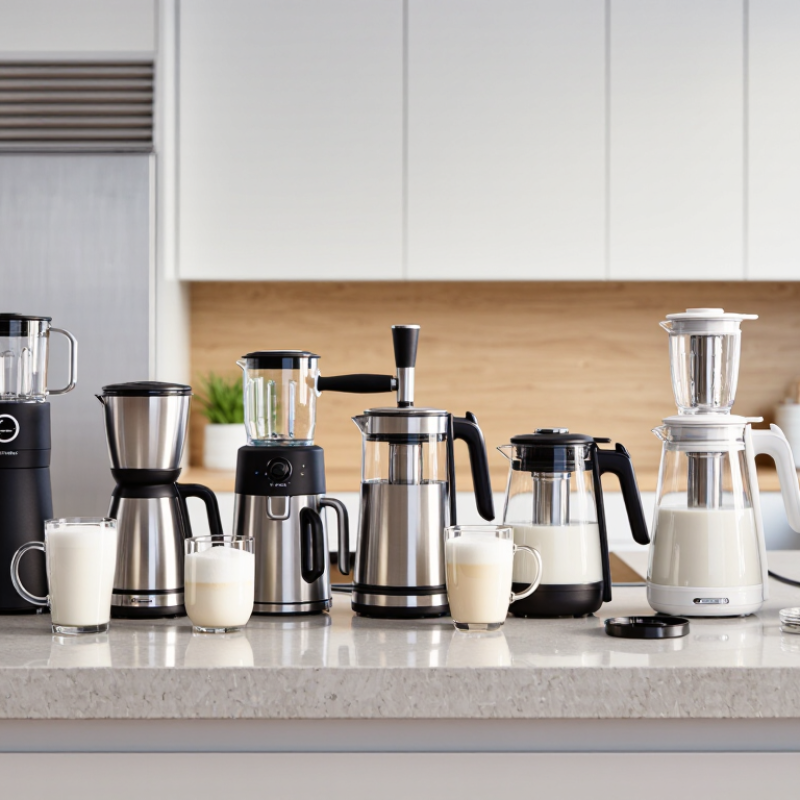
Automatic milk frothers generally fall into three useful types. Heated jug models warm milk while a whisk creates foam, making them practical for cappuccinos and hot chocolate. Their stainless-steel cups are easy to pour from, but minimum-fill lines matter. Too little milk may prevent the whisk from working properly.
Cold-froth models use a similar jug and whisk without heating the milk. They suit iced drinks, where cool, airy foam sits above espresso and ice. Multifunction models offer both hot and cold settings, sometimes with separate programs for dense or lighter foam. More options can help, though extra buttons do not guarantee better results. It depends on the milk and the drink.
A compact automatic unit can save counter space, while a larger jug may serve several cups at once. Check whether the whisk detaches for cleaning; dried milk around its small fittings can be stubborn. It is simple. A handheld electric whisk is another option, but it needs more attention and is not fully automatic. Like choosing an Automatic Pepper Grinder, the right pick depends on daily habits, not the longest feature list. Small details matter. A frother’s capacity, cleaning routine, and foam texture are worth checking before purchase.
How to Choose a Frother for Different Needs and Budgets
Choosing an automatic milk frother starts with the drink you make most. For cappuccinos, a jug-style model can heat and aerate milk in one cycle. For occasional cocoa or travel, a compact handheld whisk costs less and takes little space. Small kitchens differ. Check the jug’s capacity, minimum fill line, and cleaning instructions before buying; a large vessel can waste milk when you make one cup. The National Coffee Association’s 2024 National Coffee Data Trends report found that 67% of U.S. adults had coffee in the previous day. That signals strong daily demand, but it does not mean every household needs a premium frother.
Budget should reflect routine, not a long feature list. Basic models may offer one foam setting; pricier units can provide temperature control and different textures. Compare those settings with your usual milk and recipe, since performance can vary by ingredients. Listen for motor noise if you prepare coffee early. It can be surprisingly noticeable. If a listing bundles a frother with a Coffee Grinder Automatic, assess each appliance separately: grinding quality does not guarantee consistent foam. Also check whether removable parts are dishwasher-safe, and whether the maker specifies a safe temperature range. Some details remain subjective; foam that looks silky in a product photo may feel too airy in your cup.
Milk, Voltage, and Plug Compatibility for Global Buyers
For global buyers, an automatic milk frother is more than a countertop appliance. Check the voltage printed on its rating label before ordering. A model marked 220–240 V may not operate safely on a 110–120 V supply. A plug adapter changes the plug shape, not the voltage. That distinction is easy to miss. Also check the plug type and whether the appliance’s stated frequency matches your local supply.
Milk choice affects the result, too. Whole milk often produces a creamy texture, while some plant-based drinks foam less consistently. Look for a clear minimum and maximum fill line; milk expands during frothing and can spill if the jug is overfilled. Capacity matters when making drinks for several people, but a large jug may be inconvenient for one cup. Small details matter. Cleaning access does, too.
Product listings do not always show every compatibility detail, so compare the rating label, manual, and seller’s specifications before purchase. If those details conflict or remain unclear, ask the seller rather than guessing. An Automatic Salt Pepper Grinder may raise a similar question about plugs, but it is a separate appliance and offers no clue about a frother’s voltage. I would not assume that a travel adapter makes a mismatched appliance suitable. That assumption is tempting, and risky.
Cleaning, Maintenance, and Safe Daily Use
A milk frother is easier to keep clean when rinsed soon after use. Dried milk clings around the whisk and inside the lid. Use warm water and a soft sponge, not a metal scrubber that could scratch coated surfaces. Check the care instructions before washing removable parts; the motor base should stay dry. Unplug the appliance before wiping it. Simple, but easy to forget when breakfast is rushed. I sometimes miss a splash near the rim, so a second look helps.
For deeper cleaning, use mild dish soap and rinse away every trace. Do not immerse an electric base unless its instructions clearly allow it. Let parts dry fully before reassembly, especially around seams where moisture can linger. Keep the cord away from hot stovetops, and stop using the frother if its plug or housing looks damaged. Steam and freshly heated milk can burn, so pour slowly and keep the spout pointed away from your hand. Shopping pages may place Automatic Salt And Pepper Shakers beside frothers, but they are separate appliances with different cleaning needs. Check the product manual rather than assuming every model is dishwasher-safe.
A Better Cup at Home: How a Handheld Electric Milk Frother Elevates Everyday Coffee
A better cup at home often comes down to texture. A little airy milk can soften espresso’s intensity and make a familiar coffee feel more like a café-style treat, without requiring a large machine or a complicated routine. The National Coffee Association’s 2024 National Coffee Data Trends report found that 67% of U.S. adults had coffee in the past day, while 45% had specialty coffee. That appetite for everyday and specialty drinks makes simple tools for customizing a cup especially useful.
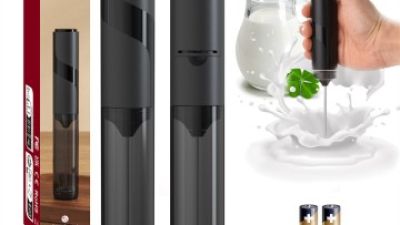
A handheld electric frother brings milk preparation to the countertop in a compact, easy-to-store form. Its one-touch operation makes it straightforward to use, while the stainless-steel and plastic construction is designed for regular handling. Powered by two AA batteries, it can froth milk without tying up counter space or requiring a plug, making it convenient for morning routines and small kitchens. The same quick, portable design can also help cafés and retail beverage counters prepare drinks efficiently during busy periods, with minimal staff training. A few seconds of frothing can add a smooth, foamy finish to coffee at home—or help keep service moving when several drinks are being made.
Conclusion
An Automatic Milk Frother heats milk, creates foam, or does both with minimal effort, making it useful for coffee, tea, and other drinks. This guide explains how automatic frothers work and compares common types, including models designed for heating, foaming, or multiple functions. It also reviews ten options by practical features such as capacity, controls, speed, and ease of use, helping readers weigh convenience against budget and choose a frother suited to their daily routine.
For buyers in different regions, the guide highlights the importance of checking milk compatibility, voltage, plug type, and product specifications before purchase. It also covers straightforward cleaning and maintenance practices, along with safe daily use, to help keep a frother working reliably. Whether choosing a compact, basic model or a more versatile option, readers can use these considerations to make an informed choice for their needs.
 +86 15268683708


 Contact Phone
 Contact Email
 Wechat