+86 15268683708


Picking the right coffee bean grinder can really change the game for your coffee routine. A good grinder helps break down your beans evenly, and trust me, that makes a big difference in how your brew turns out — more flavor, better aroma, you get the idea.
That said, not all grinders are created equal. Some just don’t cut it when it comes to consistency, and that means you might end up with a pretty bitter or weak cup — all because your grind wasn’t up to snuff. Also, keep in mind your brewing method; different machines need different grind sizes, so it’s worth thinking about that before you buy.
When you're on the hunt for a coffee bean grinder, you'll notice there are mainly two types: blade and burr. Honestly, blade grinders can be a bit hit or miss, often leading to uneven grounds, which isn’t great. Burr grinders, even though they tend to be pricier, give way better results and really unlock the potential of your beans.
Think about your budget and what you really need — investing in a good grinder is like buying a trusty sidekick that can last for years. Don’t overlook this part, because a solid grinder can seriously take your coffee to the next level — trust me, it’s worth it.
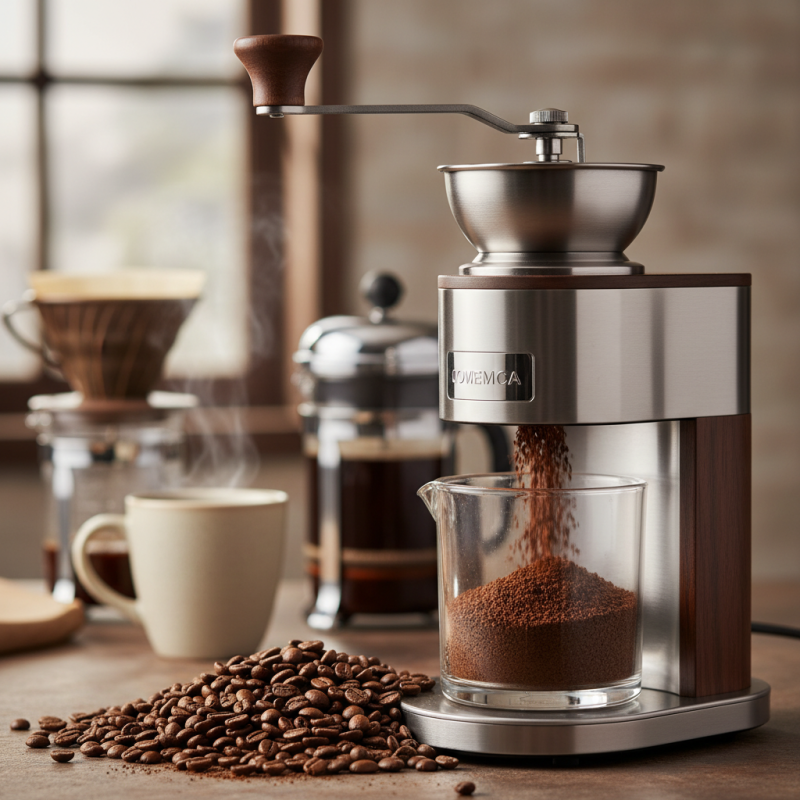
Choosing the right Bean Grinder is crucial for coffee lovers. A good grinder ensures even extraction, enhancing flavor. Different grinders produce different results. For instance, burr grinders offer consistent grounds, while blade grinders may create uneven textures. Quality matters; investing in a reliable bean grinder is worth it.
Freshness is key in coffee. Grinding beans just before brewing captures essential oils and flavors. A subpar grinder can lead to a flat taste. It’s essential to consider the grind size as well. Coarse for French press, fine for espresso. Misjudging this can ruin your cup.
Think about your brewing method. Not all grinders suit every technique. For example, espresso requires a fine grind. In contrast, cold brew needs coarser grounds. Reflect on your preferences. A bean grinder should cater to these. Finding the right balance takes time and experimentation. It’s an ongoing journey to the perfect cup.
When selecting a coffee bean grinder, the choice between
blade and burr grinders is crucial.
Blade grinders use metal blades to chop beans. They are often more affordable and compact. However, they tend to create
uneven grind sizes. This inconsistency can lead to poor extraction when brewing coffee.
A report from the Specialty Coffee Association noted that 70% of baristas
prefer burr grinders for consistency in grind size.
Burr grinders, on the other hand, utilize two revolving abrasive surfaces. These grinders produce a
uniform grind, ideal for a rich coffee flavor. They come in two types:
flat and conical. Flat burrs provide a more consistent grind, while
conical burrs are quieter and offer versatility. According to a survey by the National Coffee Association,
85% of coffee enthusiasts believe the grind size directly affects the final taste.
Choosing the right grinder can make a noticeable difference.
One downside of burr grinders is the price. They tend to be more expensive. This can deter
beginners. Also, maintenance can be a hassle. Residue buildup occurs, requiring regular cleaning.
Inconsistent grinder performances can frustrate users. It’s important to weigh the pros and cons before making a decision.
Finding the right balance between cost and quality is essential.
Choosing the right coffee bean grinder can significantly affect your brew.
The key features make a big difference in flavor. Consider grind settings first.
A versatile grinder allows you to choose fine or coarse. This is crucial for different brewing methods, especially if you enjoy espresso.
Next, think about the grinder type. Burr grinders provide a consistent grind size.
This is better than blade grinders, which can create uneven particles. Uneven grinds lead to bitter or sour coffee.
You want to avoid that.
Don’t ignore the grinder’s size and capacity. A compact design suits small kitchens.
However, a larger capacity is necessary for those who brew coffee for more than one. Consider your needs carefully.
Noise level is another factor. Some models are quieter, which might be important in a shared space.
An Espresso Bean Grinder
may also have features like a timer for convenience. Reflect on these aspects to find the best match for your coffee rituals.
Choosing the right grinder size and capacity is crucial for coffee lovers. Many people underestimate how much these factors influence flavor. Reports indicate that a medium grind is ideal for most brewing methods. A Burr Grinder can provide this consistency, but size matters.
When selecting a grinder, consider your consumption habits. A household that brews daily may need a larger capacity. According to industry data, grinders with a capacity of 250-500 grams suit average consumers well. Larger grinders could be overkill for casual drinkers. Some might find them cumbersome or even wasteful.
Moreover, the grind size affects extraction. Too coarse might lead to weak coffee, while too fine could make it bitter. A good
Coffee Bean Burr Grinder offers versatility. Often, users need multiple settings for different brew methods. Balancing size with frequency is an ongoing challenge for many. Finding that perfect fit requires reflection and careful consideration.
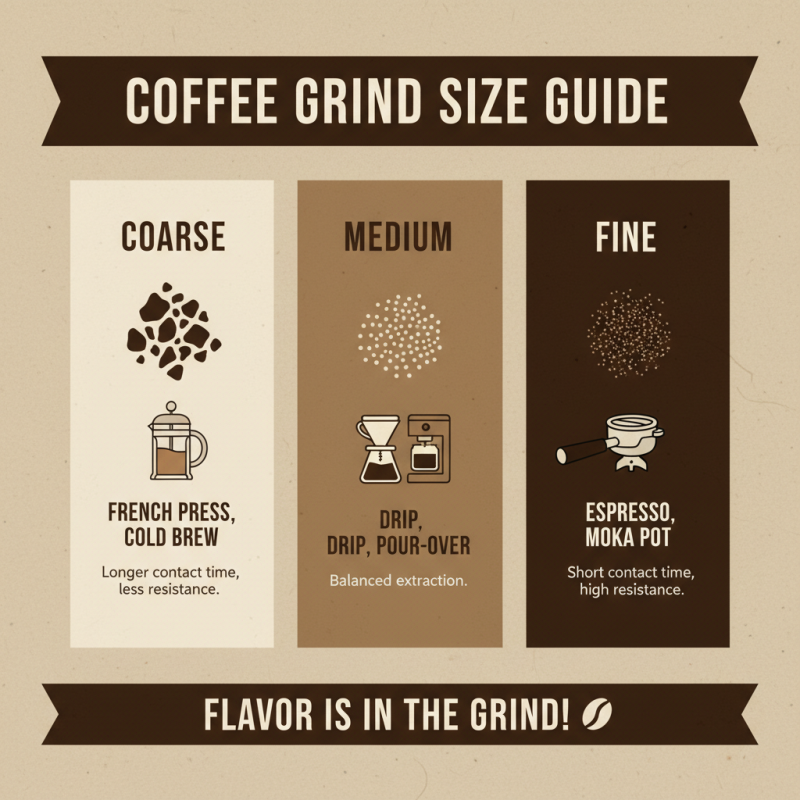
Grind size plays a crucial role in coffee flavor and brewing. The size of coffee grounds affects extraction rates. For example, coarse grounds suit French press brewing, while fine grounds enhance espresso. A mismatched grind can ruin the experience. Many coffee lovers overlook this simple aspect.
Using a Bean Grinder Machine allows for precise control over grind size. However, finding the right setting can be challenging. If too coarse, the coffee may taste weak. If too fine, it can become bitter. Experimentation is key. You might start with a medium grind and adjust based on your brewing method.
Don’t be afraid to reflect on your results. Taste testing can reveal surprising preferences. Maybe you enjoy a bolder flavor or a smoother cup. Small adjustments in grind size can create significant changes. Each cup of coffee is a chance to explore. Perfecting your grind can elevate your coffee ritual to new heights.
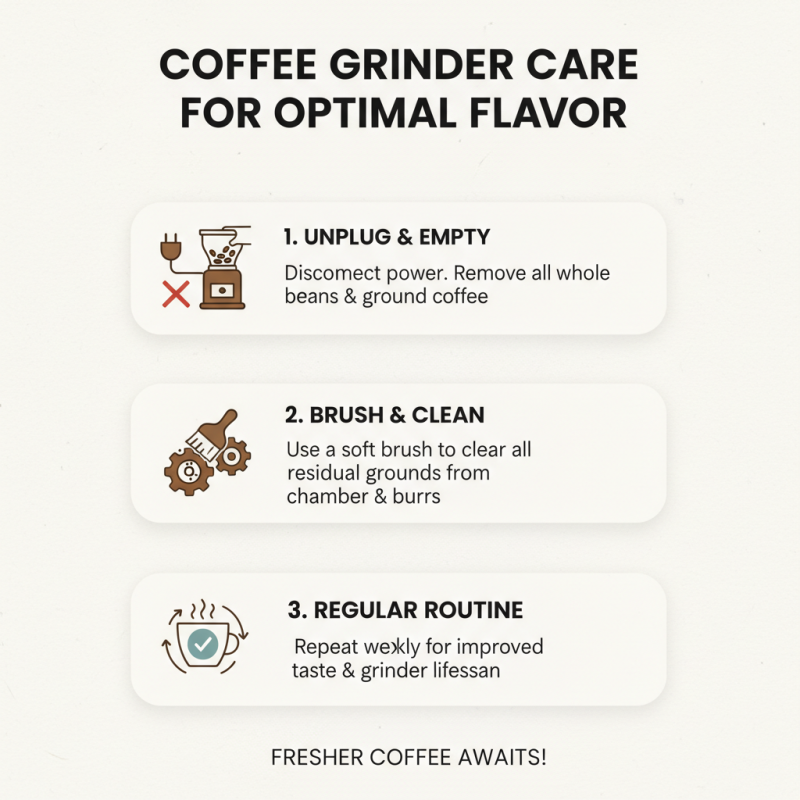
Maintaining your coffee bean grinder is essential for brewing the perfect cup. Regular cleaning can greatly improve flavor. Begin by unplugging the grinder. Remove any remaining coffee beans and ground coffee from the chamber. Use a soft brush to clear out the smaller areas. This helps prevent old grounds from affecting your fresh beans.
Check the blades or burrs for wear. Worn out parts can lead to uneven grinding. If you notice any damage, consider replacing them. Once a month, run some dry rice through your grinder. This helps absorb oils and residues. A simple act, yet many forget it.
Finally, store your grinder in a dry area. Humidity can ruin the motor and cause rust. Regular maintenance may seem tedious. However, it’s crucial for the longevity of your grinder. Neglect can lead to disappointing coffee experiences. Reflect on your habits and adjust accordingly for better taste.
Choosing the right coffee bean grinder can transform your coffee experience. Various models are available, each offering unique features. A burr grinder often provides a more consistent grind than a blade grinder. However, some may find the initial price of burr grinders intimidating. Yet, it’s crucial to consider your daily coffee needs.
When examining different grinders, pay attention to grind size settings. This matters for brewing styles. For instance, espresso requires a fine grind, while French press needs a coarser mix. Some grinders may lack precise settings. This could leave coffee lovers frustrated. Be mindful of this when you check product details.
A key tip is to explore options with easy cleaning features. Hidden oils and coffee particles can affect taste. Often, neglected grinder maintenance leads to bitter brews. Simple steps can increase lifespan. Regularly cleaning helps maintain flavor integrity, ensuring a delightful cup every time.
: The product offers convenience and ease of use for daily tasks.
Yes, it's designed for users of all skill levels, even beginners.
While it's generally sturdy, some users noted it could be more durable.
It's made from a mix of lightweight and quality materials for optimal performance.
Regular cleaning is suggested to keep it functioning well.
Yes, but some conditions may affect its performance.
A few users mentioned it could be more user-friendly.
Basic safety precautions should always be followed during use.
Durability varies, and some users reported needing replacements sooner than expected.
The sustainability aspect is worth considering, as some materials may not be recyclable.
Choosing the best bean grinder is essential for achieving the perfect cup of coffee. A good bean grinder not only enhances the flavor of your brew but also ensures a consistent grind size, which plays a critical role in the extraction process. There are mainly two types of grinders: blade grinders, which are more affordable but may produce uneven grinds, and burr grinders, known for their precision and uniformity. Key features to consider include grind settings, ease of use, and durability.
The size and capacity of the grinder should align with your coffee consumption habits, while understanding how grind size affects flavor and brewing methods is equally important. Regular maintenance of your bean grinder will prolong its lifespan and ensure optimal performance. Overall, investing in a high-quality bean grinder can elevate your coffee experience significantly.