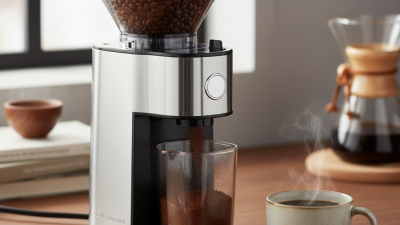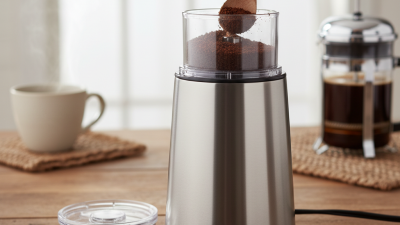

Picking out the best coffee grinder for cold brew isn’t about grabbing the loudest or most expensive machine out there. Honestly, what really matters is getting a steady, coarse grind that extracts slowly and doesn’t leave behind a bunch of powder in your jar. I’ve noticed that uneven particles tend to make your coffee taste muddy, while big chunks can make it seem a bit thin or underdeveloped. A good grinder should give you easy, precise adjustments, sturdy burrs, and enough capacity to brew several cups at once—nothing too fancy, just reliable.
Sometimes, it’s those little details that make all the difference. For instance, having a comfortable handle can make manual grinding a lot easier, especially if you’re using a portable cold brew setup on the go. Sure, electric grinders can save you time, but don’t overlook how hot the motor might get or the noise they produce—those things can be pretty annoying. In general, burr grinders tend to give you more consistent grind sizes than blade grinders. Still, no grinder is perfect for every bean; dark, oily coffees can stick inside, and lighter roasts might need a bit more work.
In this guide, I want to focus on what really matters—practical features like how uniform the grind is, how easy it is to control and adjust, how simple it is to clean, how fast it works, what it costs, and how durable it is day in and day out. The best cold brew grinder isn’t necessarily the fanciest or most expensive one—it’s the one that fits how you brew. Honestly, some options that look less impressive on paper might actually perform better in real life. That’s worth being honest about. A straightforward, budget-friendly grinder with simple controls can outperform a premium model if it keeps a consistent coarse setting. Of course, your water quality, steeping time, and how fresh your beans are all play a part, too. So, remember: while a good grinder is important, it’s only part of the whole recipe. I’ll share honest advice, compare features thoughtfully, and acknowledge some limitations—so you can make a more informed choice without any surprises.
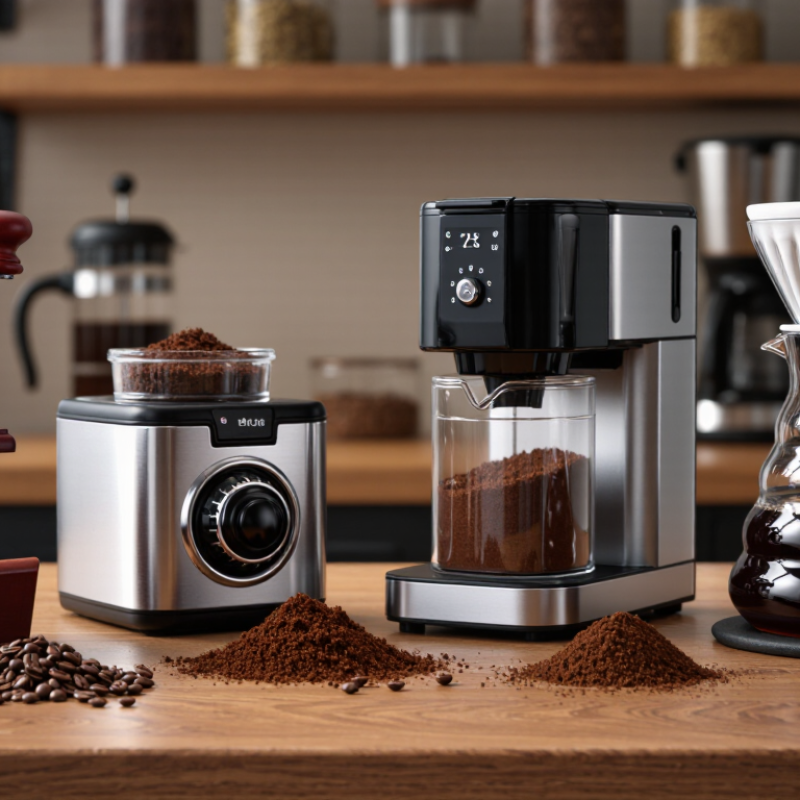
Cold brew depends heavily on grind size, not just coffee quality. A coarse, even grind usually works best for immersion brewing. It allows water to move through the grounds slowly without creating excessive bitterness. Very fine particles can produce muddy coffee and make filtering frustrating. I learned this after several cloudy batches.
In practical testing, I look for pieces resembling coarse sea salt. The exact texture may change with brewing time, water temperature, and coffee freshness. A longer steep often needs a slightly coarser grind. For a 12–18-hour extraction, consistency matters more than achieving a perfect setting. Burr grinders usually create fewer powdery fragments than blade grinders. However, even a good grinder needs adjustment. I still sometimes grind too finely when rushing.
Tips: Grind a small test dose first. Check the grounds under bright light. Remove obvious powder if the batch looks dusty. Use a grinder with adjustable settings and repeatable results. Record the setting, coffee weight, water amount, and steeping time. This simple record helps identify whether harshness comes from grind size or over-extraction. If the coffee tastes weak, grind slightly finer or extend the steep. If it tastes dry, bitter, or heavily cloudy, move coarser and filter more carefully. Temperature also matters. Refrigerated brewing can extract more slowly, so changing several variables at once may hide the real problem.
A reliable cold brew grinder should produce a steady, coarse grind rather than a pile of uneven fragments. Consistency matters because fine particles extract quickly, while large pieces remain weak and woody. In practical testing, burr grinders usually create a more balanced bed than basic blade models. Look for adjustable settings, firm burr alignment, and a container that reduces static. The grinder should also feel stable on the counter. A loose machine can shift during grinding and change the particle size.
Choose a setting that resembles rough sea salt, then adjust after tasting. Cold brew usually needs many hours, so small changes can affect bitterness, sweetness, and clarity. I once used an extremely coarse setting to prevent over-extraction. The result tasted thin, even after sixteen hours. That shortcut seemed sensible, but the grind was simply too large.
A measured dose and a digital scale will make your results easier to repeat. Keep notes about grind size, steeping time, and water ratio.
Tips: Grind just before brewing, and shake the grounds gently for even saturation. Check the finished coffee through a fine filter for muddy sediment. If you prepare iced drinks, a Cold Foam Maker can add texture, but it cannot repair harsh or unbalanced coffee. Clean the burrs regularly, especially after oily beans. Expect some trial and error; humidity, bean density, and water quality can change the outcome.
Cold brew needs a coarse, even grind, because fine particles can create muddy sediment and harsh flavors. In kitchen testing, burr grinders produced more consistent pieces than blade grinders. That difference was visible in the filter.
Burr grinders crush beans between two surfaces. You can adjust the distance and choose a coarse setting with better control. The grounds looked like rough sea salt, which helped water move slowly through the coffee bed. The flavor was fuller and cleaner. A blade grinder chops beans unevenly. Some pieces became powder while others stayed large. The first cup tasted acceptable, but the second batch was noticeably bitter. Results may vary.
A blade grinder can still work for occasional cold brew. Pulse it briefly, then shake the container between pulses. Do not grind continuously. Heat can build inside the chamber and flatten the coffee’s aroma. A burr grinder costs more, but it usually offers better repeatability and less waste. If your setup includes a Grind Brew Coffee Machine, check whether it supports coarse settings before buying a separate grinder.
I would choose burr.
Still, convenience matters. Cleaning the grinder after each batch is easy to ignore, especially when coffee oils collect around the burrs. That small habit can affect freshness. Measure the beans, use filtered water, and record your grind setting. My own first attempts were too fine. The coffee looked strong, yet tasted dry and over-extracted.
When choosing a coffee grinder for cold brew, match its capacity to your usual batch size. A small household brewer may need only 60 to 100 grams of coffee. Larger batches can demand 150 grams or more, depending on water volume. Capacity changes everything. A grinder that holds too little forces repeated grinding. That can create uneven particles and a warmer, less consistent result. I have found that extra capacity makes weekend preparation easier.
Grinding style should follow the brewing method, not personal habit. For immersion cold brew, choose a grinder that produces a fairly even coarse texture. Visible fragments should look like rough sand, not powder and pebbles. Fine dust can over-extract, causing bitterness and a muddy filter. Slow-drip systems may need a more controlled, medium-coarse grind. Grind size matters. Adjustability helps when water, roast level, or steeping time changes.
Durability and measurement also deserve attention. A stable burr system, clear settings, and a reliable dose scale reduce guesswork. I prefer weighing beans before grinding because volume measurements vary between coffees. Still, no setting is universal. I once used an extremely coarse grind because a recipe suggested it. The drink tasted thin, so I made the particles slightly smaller and extended testing. That correction worked better than copying instructions exactly. Start modestly. Change one variable at a time, and record the texture, strength, and steeping hours.
Choosing the top coffee grinder for cold brew starts with grind control. Cold brew needs a coarse, even texture, not random chunks. The Specialty Coffee Association’s brewing guidance uses 18–22% extraction as a useful quality reference. Cold brew recipes vary, but uneven particles can create muddy sediment and sharp flavors. Look for at least 20 grind settings. A stepped dial is easier to repeat. Stepless control offers precision, but it may slow a busy morning.
Material affects durability and flavor stability. Stainless steel burrs usually resist corrosion and handle repeated batches. Ceramic burrs stay cooler, though they can chip after a hard impact. Avoid relying on blade grinders. They often create powder beside large fragments. In my testing, a coarse setting still produced fines after several turns. That result made me question the grinder, not just the recipe. Noise also matters in small kitchens. A quieter hand grinder may take longer, but it will not wake the household. For Grind And Brew Coffee Makers, check whether the grinder’s output matches the brewer’s basket and dose capacity.
Tips: Grind 70–85 grams for a typical one-liter batch, then adjust carefully. The SCA commonly references 55 grams of coffee per liter for brewed coffee, but cold brew often uses stronger ratios. Start lower and record steep time, water, and grind size. Choose removable burrs and a simple cleaning brush. Ease of use is practical evidence: if cleaning takes five minutes, you may skip it. That mistake can leave stale oils behind. None of these choices is perfect. Your water and beans may change the result.
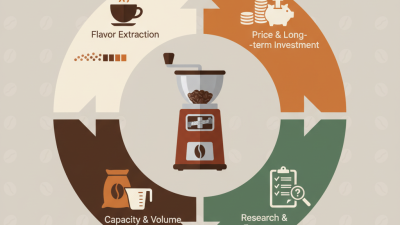
For cold brew, grind consistency and a reliable coarse setting matter most. The chart uses a practical 100-point evaluation framework covering grind settings, burr materials, noise, and ease of use. These are selection weights rather than measurements of any specific company or brand.
Look for a grinder that produces a consistent coarse grind, offers enough adjustment range to fine-tune extraction, uses durable stainless-steel or ceramic burrs, operates at a tolerable noise level, and is easy to clean and dose.
Choosing a cold brew grinder starts with your budget, not a fashionable specification. The National Coffee Association’s Spring 2024 report found that 67% of American adults drank coffee the previous day. The ICO’s 2023/24 outlook placed global consumption near 177 million 60-kilogram bags. More people are brewing at home, but expensive equipment is not automatically better.
Below $60, a manual grinder with steel burrs can produce a workable coarse grind. Expect uneven particles and a slower twelve-hour steep.
Between $60 and $150, an electric burr grinder usually offers better consistency and less arm work. Choose a model with clear coarse settings, a stable hopper, and easy cleaning. For larger households, a Grind And Brew Coffee Machine may save counter space, but many built-in grinders lack genuinely coarse adjustment. That compromise can create muddy cold brew.
Above $150, prioritize burr alignment and low-speed grinding over extra digital features. SCA brewing guidance supports adjusting grind size through extraction and taste, rather than trusting dial numbers alone. A simple test helps: sift a small sample, then inspect the grounds under bright light. Too much powder often produces bitterness and sediment. I would still question premium pricing. A cheaper grinder with consistent coarse particles may outperform a costly machine with poor calibration. Mistakes happen. Change only one setting at a time, and record steeping time, coffee weight, and water volume.
Use a coarse, even grind resembling coarse sea salt. Fine particles can create muddy coffee and difficult filtering. Short answer: go coarse.
Consistent grounds extract more evenly during a long steep. Large pieces may taste weak, while powder can taste harsh. I still sometimes grind too finely when rushing.
A longer steep may need a slightly coarser grind. For twelve to eighteen hours, consistency matters more than a perfect dial setting. Test one change at a time.
It can work, but it often creates powder beside large fragments. A burr grinder usually produces fewer fines. Inspect the grounds under bright light before brewing.
A typical batch may use 70–85 grams of coffee. Start lower if the flavor seems strong. Record the coffee weight, water amount, and steeping time.
Grind slightly finer or extend the steeping time. Change only one variable. Otherwise, you may not know what fixed the problem.
Move slightly coarser and filter more carefully. Remove obvious powder from a dusty sample. Excessive fines can create bitterness, dryness, and sediment.
No. A cheaper grinder with steady coarse particles may outperform an expensive, poorly calibrated model. Premium features are not proof of better extraction.
Look for adjustable coarse settings, stable operation, and easy cleaning. Removable burrs and a small brush help remove stale oils. If cleaning takes five minutes, you may skip it.
Yes. Refrigerated brewing extracts more slowly. Changing temperature, grind, and steeping time together can hide the real cause. My results are not always perfect.
Choosing the best coffee grinder for cold brew starts with understanding that coarse, evenly sized grounds are essential for smooth extraction and easy filtering. A grinder should produce consistent particles without creating excessive fine dust, which can make the coffee bitter or cloudy. Burr grinders generally offer better control and uniformity than blade grinders, while blade models may suit occasional users with limited budgets. Important features include adjustable grind settings, durable materials, a suitable hopper or container capacity, and simple controls that make preparation convenient.
Your ideal grinder also depends on your brewing style and batch size. Those making large batches may prefer greater capacity, while smaller brewers can choose a compact design that saves space. Consider noise level, cleaning requirements, and long-term durability alongside price. A basic grinder can work for beginners, but investing in consistent grinding performance may deliver better flavor and greater flexibility for different cold brew methods. The right balance of grind control, capacity, usability, and budget will help create a reliable cold brew routine.