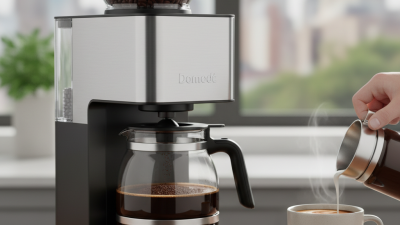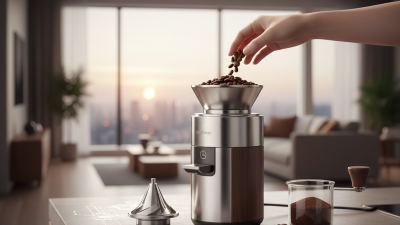

Picking the right juice mixer for your business isn't just about comparing motor power or prices. I mean, a bustling café needs equipment that can keep up during those hectic morning rushes, right? On the flip side, a hotel bar might care more about quiet operation and the flexibility to make different batch sizes without a fuss. And for juice bars, speed, easy cleanup, and consistent results across a bunch of different fruits are pretty much must-haves.
Basically, the perfect juice mixer should fit right into your daily grind. It’s a good idea to take a look at its motor strength, jar size, blade design, and cooling features. For example, a 2-liter jar might work great for a small café, but if you’re running a bigger kitchen, you might need several smaller jars instead. Stainless steel parts can be a real bonus—they tend to last longer and are easier to wipe down. But don’t just buy into pretty photos—you really wanna check the specs from the manufacturer to make sure what you’re getting is legit.
And yeah, hygiene’s super important here. Look for removable parts, smooth surfaces that don’t trap gunk, and those that are dishwasher-safe if possible. Don't forget to consider noise levels, warranty details, replacement parts, and whether local support is available. These little things can save the day when your mixer makes a sudden stop during a busy rush—trust me, nobody wants that chaos.
When you actually test these machines, keep in mind that thick smoothies can sometimes reveal a weak motor faster than just blending up a simple juice. And honestly, it’s often the subtle differences that you might miss at first glance.
Here’s the thing: there’s no such thing as a perfect machine. A super powerful juice mixer might use up more energy or be noisier than you'd like. A smaller, more compact one can save space but might trip up if you’re trying to make a ton of stuff nonstop. So, it’s a smart move to test out your typical recipes, see how long it takes to prep, and check how easy it is to clean before pulling the trigger. Looking at reviews from others can help, but at the end of the day, chatting with a professional who understands your actual needs and setup is key. The goal is to find a balance—good performance, safety, easy maintenance, and value that stands the test of time.
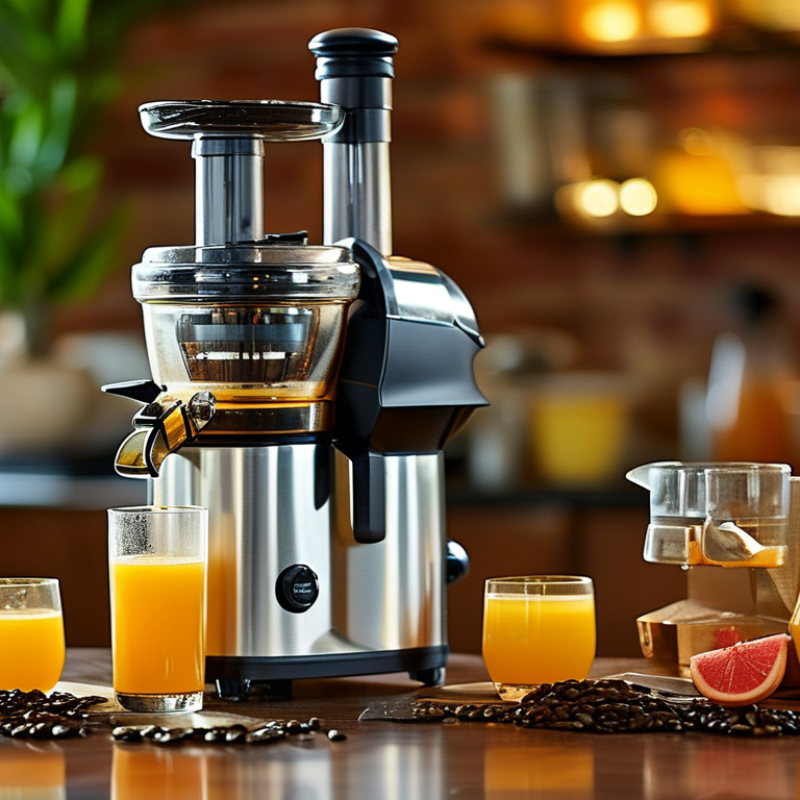
Commercial juice mixers are not one-size-fits-all machines. Centrifugal extractors suit busy counters because they process firm produce quickly. Their spinning blades create heat and foam, though. Masticating or cold-press machines crush produce slowly, preserving a thicker texture and quieter operation. Citrus juicers are more focused. They handle oranges, lemons, and grapefruits efficiently, but cannot replace a general extractor. A Juice Grinder Mixer may combine blending and grinding functions, yet its results depend heavily on blade design and motor torque.
Mordor Intelligence’s 2024 commercial foodservice equipment report projects steady market growth through 2029. That trend reflects demand for faster preparation, easier cleaning, and lower operating waste. Still, market growth does not prove every machine performs well. For a high-volume café, check output per hour, pulp separation, and recovery time between batches. For wellness bars, cold-press systems may better support premium drinks and leafy greens. The choice becomes practical, not fashionable.
I have seen operators focus too much on motor wattage. That can mislead. A powerful motor may still produce watery juice or difficult cleaning. Look for food-contact materials, removable parts, noise ratings, and service access. The U.S. Department of Agriculture recommends prompt refrigeration of perishable beverages, so temperature control matters after extraction. I would also test one full service cycle before buying. A machine that performs beautifully for five minutes may frustrate staff during a crowded lunch period. That part is easy to underestimate.
Choosing a commercial juice mixer begins with defining what your operation actually produces. A café serving 80 fresh drinks daily needs different capacity from a facility filling hundreds of bottles. Record average orders, peak-hour demand, batch size, and expected growth. Measure the fruits, vegetables, ice, and liquid used in each recipe. Thick mango blends place more stress on the motor than citrus juice. Small details matter.
Write down your required texture and serving speed. If customers expect smooth juice in 30 seconds, compare that target with realistic cycle times. A mixer with a large vessel may reduce refills, but it can waste product during quiet periods. Consider noise near customers, counter space, electrical supply, and ventilation. Check whether staff can lift the container safely when it is full. Cleaning also deserves a timed test: disassembly, rinsing, sanitizing, and drying should fit between orders. My practical mistake was judging equipment by peak power alone; sustained performance and heat buildup mattered more during a busy shift.
Ask suppliers for performance data using ingredients similar to your recipes, not only water. Request service intervals, replacement-part availability, warranty terms, and written safety instructions. Confirm that food-contact surfaces are durable and easy to inspect. Keep a simple trial log covering blend time, temperature, waste, noise, and operator fatigue. Review the results after several shifts. Early estimates are often optimistic. Leave room for seasonal demand, recipe changes, and the occasional rushed operator. A powerful mixer may still be unsuitable if it slows cleaning or complicates training.
Motor power is only the starting point when comparing commercial juice mixers. A higher wattage motor may handle frozen fruit, ice, and thick pulp more easily. However, wattage alone does not guarantee smooth results. Torque, blade design, jar shape, and motor cooling also affect performance. In daily service, a mixer with steady torque usually performs better than one with impressive power ratings.
Test the mixer with your real menu. Add oranges, carrots, ice, and a measured amount of liquid. Watch the blades during the first ten seconds. A strong vortex should pull ingredients downward without frequent stopping. The drink should feel even, not gritty. Short blending cycles also matter during busy hours. A motor that overheats after several batches can slow production and damage consistency. Noise deserves attention too, especially in open cafés.
I once judged a mixer only by its powerful motor. That was a mistake. It blended hard ingredients quickly but left soft fruit around the jar edges. Cleaning also took longer than expected. Ask about continuous operating time, overload protection, replacement parts, and service support. These details reveal practical reliability. A Portable Juice Blender may suit small servings, but it may struggle with repeated commercial workloads. Measure output per batch, recovery time, and texture before making a purchase. Small tests often expose weaknesses that product specifications hide.
Capacity should match your busiest service period, not your average morning. A small café may need a 10-liter working batch, while a busy juice bar may require 20 liters or more. Check the mixer’s usable capacity carefully. Manufacturers sometimes list the bowl’s total volume, not its safe operating volume. Leave room for fruit pulp, ice, and liquid movement. Overfilling can strain the motor and create uneven blending. I once underestimated this detail, and the machine needed longer cycles during a busy shift.
Materials affect hygiene, performance, and maintenance. Food-contact surfaces should resist corrosion and avoid trapping pulp in narrow joints. Stainless steel is usually practical for commercial use, especially around wet preparation areas. Inspect the blade assembly, bowl, lid, and seals rather than trusting the outer housing alone. Smooth welds and removable components make daily cleaning more reliable. Plastic can reduce weight, but it may scratch or cloud after repeated washing. That does not always mean poor quality, yet it deserves closer inspection.
Durability depends on more than motor power. Look for thermal protection, stable bearings, reinforced controls, and replacement parts that are realistically available. A powerful motor may still fail if the mixer overheats between batches. Ask about duty cycles and cleaning procedures before purchasing. Keep maintenance records, even for a simple mixer. They reveal recurring leaks, unusual noise, or declining speed. One limitation remains: durability claims are difficult to verify without long-term use. Request a demonstration and listen for vibration under a realistic load.
Choosing the best commercial juice mixer starts with the cleaning routine, not the motor size. In a busy bar, pulp can hide beneath blade collars and gasket edges. Select a model with removable, tool-free parts and smooth food-contact surfaces. Fewer crevices mean fewer missed residues. Check whether components tolerate the recommended cleaning method and temperature. A rinse is not a cleaning plan. I once underestimated a narrow seal groove; it looked clean, yet smelled sour by closing time. That mistake changed my inspection habits.
Safety features deserve a hands-on check before purchase. The lid should lock firmly, and the blades should stop when the lid opens. Look for overload protection, stable feet, insulated controls, and an accessible stop switch. A Juice Mini Blender may suit small batches, but its compact size does not remove commercial risks. Test the controls with dry hands and observe vibration during operation. Excess movement can loosen fittings and increase noise. Ask for clear operating instructions, service access, and documented electrical information.
Maintenance becomes easier when wear parts are visible and replaceable. Inspect seals, couplings, blades, and power cables on a fixed schedule. Keep a simple log with dates, symptoms, and cleaning checks. This creates useful evidence when performance changes. Do not ignore small leaks. They often become expensive failures. I still review our checklist because real workplaces are messy, and one missed inspection can happen. Choose equipment your staff can clean correctly every day, not equipment that only looks impressive in a showroom.
How to Choose the Best Commercial Juice Mixer?
Selecting the Best Mixer for Your Budget and Workspace
A commercial mixer should fit your daily workflow, not just your purchasing budget. Measure the counter, ceiling clearance, outlet location, and storage space before comparing models. A powerful motor is useful, but excessive capacity can waste electricity and preparation time. A smaller unit may suit a café serving fresh juice in limited batches. My first estimate was wrong once; cleaning space mattered more than bowl size.
Tips: Record your busiest hour and estimate the number of drinks required. Choose a mixer that can handle that volume without constant overheating. Check the jar height under cabinets, and leave room for pouring. A quieter motor also helps staff communicate during busy service. Ask suppliers about replacement blades, service access, and warranty terms. Reliable support can protect your investment.
For a compact counter, a Blender Mini Juice setup may be practical for smoothies, small juice portions, or testing a new menu. However, confirm its commercial duty rating before daily use. Some affordable mixers perform well but require more frequent cooling breaks. That trade-off may be acceptable for a low-volume workspace. In a crowded bar, it may slow production and frustrate staff. Consider the texture you serve, too. Fibrous produce needs stronger blending and easier cleaning. A removable jar can save several minutes between orders, although seals may wear sooner. Evaluate real operating costs, not only the purchase price.
: Match capacity to peak-hour demand, not average sales. Record daily orders, batch sizes, and seasonal increases. A small café may need a 10-liter working batch. A busy operation may need 20 liters or more. Leave space for pulp, ice, and liquid movement.
Usable capacity is lower than the bowl’s total volume. Overfilling can strain the motor and cause uneven blending. Check the safe operating level carefully. Small details matter.
Test thick mango blends, citrus juice, ice, and vegetables. Water-only demonstrations provide limited information. Record blend time, texture, temperature, and waste. Measure it during realistic production.
Motor power matters, but sustained performance matters more. Look for thermal protection, stable bearings, and reinforced controls. A powerful motor may overheat between batches. I once trusted peak power too much.
Food-contact surfaces should resist corrosion and pulp buildup. Stainless steel is practical in wet preparation areas. Inspect the bowl, lid, blades, seals, and joints. Smooth welds support easier cleaning. Plastic parts may scratch after repeated washing.
Compare the target cycle with realistic recipe tests. If customers expect smooth juice in 30 seconds, measure actual timing. A large vessel reduces refills but may waste product during quiet periods. That estimate may fail.
Time disassembly, rinsing, sanitizing, and drying between orders. Staff should lift a full container without unsafe strain. Removable parts simplify inspection and cleaning. A mixer can be unsuitable if training becomes complicated.
Ask for duty cycles, service intervals, replacement-part availability, and warranty terms. Request written safety instructions and realistic performance data. Check noise, ventilation, electrical requirements, and counter space. Keep maintenance records for leaks, vibration, and declining speed. Long-term durability remains difficult to confirm.
Choosing the best commercial juice mixer begins with understanding the main equipment types and matching one to your production goals. Consider whether you need a mixer for fresh juice, thick blends, continuous service, or occasional preparation. Evaluate daily volume, batch size, ingredient consistency, and available workspace before making a decision. Motor power is important, but effective mixing also depends on blade design, speed control, and the ability to process ingredients smoothly without overheating.
A reliable juice mixer should offer suitable capacity, food-safe materials, strong construction, and long-term durability. Easy disassembly, washable components, secure lids, and safety switches can simplify cleaning and reduce operating risks. Maintenance requirements should also be clear and manageable for staff. Finally, compare the mixer’s price with its performance, warranty coverage, energy use, and space requirements. The best choice is a juice mixer that delivers consistent results, supports your expected workload, fits your budget, and works efficiently within your commercial environment.