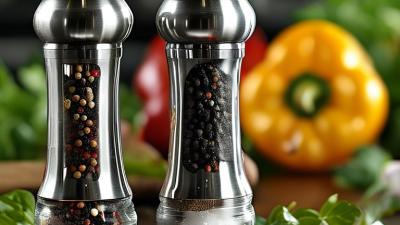
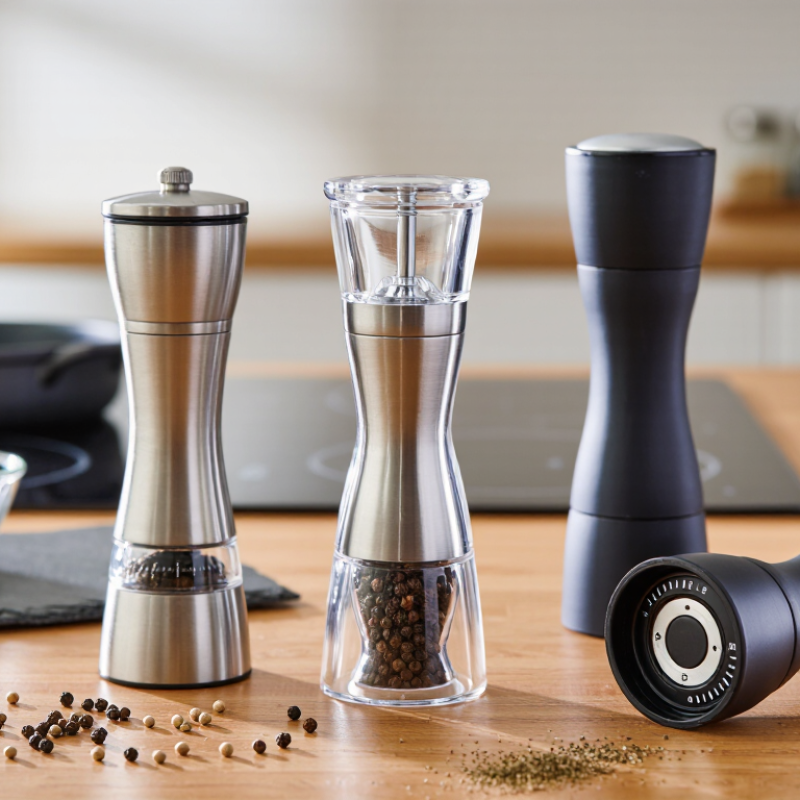
Picking the right Pepper Mill in 2026 isn’t just about finishes, price tags, or whatever a celebrity happens to endorse. Think about it: a mill sits right there next to heat, moisture, and food every single day. And its design? It quietly shapes how consistent the grind is, how much aroma you get, how annoying cleaning becomes, and whether it still works well years later.
There’s a reason this little tool deserves a closer look. Grand View Research put the global spices market at roughly USD 18 billion in 2023, and it’s expected to keep growing through 2030. Mordor Intelligence also points to rising consumer interest in fresh grinding and premium seasoning products. Now, those reports are about spices, not pepper mills specifically. Fair enough. But they do hint at a bigger shift: people want fresher prep and better kitchen gear.
Performance is the big one.
A helpful comparison should look at the burr or grinding mechanism, adjustment range, capacity, grip, and how easy it is to refill. Ceramic mechanisms resist corrosion. Hardened steel, when it’s properly engineered, can give you a sharper and longer-lasting grind. But neither one automatically wins. Personally, I’ve learned that a smooth adjustment dial doesn’t mean much if the mechanism slips while you’re using it. That’s the kind of detail that’s easy to overlook.
Material safety matters too. Anything that touches food should meet the relevant rules—things like U.S. Food and Drug Administration guidance or European Regulation (EC) No. 1935/2004. Certifications and manufacturer documentation are far more trustworthy than vague “food safe” claims. Independent testing is still ideal, though smaller brands don’t always have it available.
This guide compares popular designs using real kitchen criteria, manufacturer specs, and reported user experience. Some conclusions might still be imperfect. Pepper preferences vary, and no single mill is going to suit every cook. A compact model can feel perfect at dinner and then frustrating when you’re prepping a big meal. The best choice balances consistency, comfort, maintenance, and honest evidence—not marketing alone.
What Makes a Pepper Mill Effective in 2026?
An effective pepper mill in 2026 should deliver control, consistency, and clean handling. Mordor Intelligence estimates the global spices market will grow steadily through 2030, reflecting stronger interest in fresh, at-home seasoning. A mill matters because freshly ground pepper releases aroma immediately. Pre-ground pepper often tastes flatter beside a warm steak or tomato soup.
Look for a burr mechanism, not loose crushing blades. Burrs break peppercorns more evenly, producing a clearer texture. The adjustment should offer a real range, from fine dust for sauces to coarse pieces for roasted vegetables.
I test this over a white plate. Uneven fragments are easy to spot. They usually signal poor alignment or a weak adjustment system.
Moisture control matters too.
Codex CXS 326-2017 sets a maximum moisture level of 13% for whole black pepper. A sealed chamber helps protect that quality during daily use. Stainless steel or ceramic parts resist corrosion, but neither material guarantees perfect performance.
I still overfill mills sometimes. That mistake increases friction and slows grinding. A transparent, easy-to-clean body is useful, although sunlight may reduce pepper quality over time. Euromonitor’s 2024 home and garden research highlights durability and ease of maintenance as important household purchase factors. Test the grip with wet hands. Small details matter.
Which Pepper Mill Type Best Fits Your Cooking Style?
How to Choose the Best Pepper Mill in 2026?
Your cooking style should decide the mill, not a trend. If you season soups, roast vegetables, or cook slowly, choose a manual mill with adjustable coarseness. Its tactile resistance helps you notice grind changes. A ceramic mechanism suits humid kitchens, while hardened steel usually feels sharper and faster. For frequent table use, a one-handed electric mill saves effort. It also helps when your other hand holds a hot pan.
For precise recipes, a manual mill offers better control. Fine pepper works with eggs and sauces. Coarse pieces suit steak, salads, and crushed potatoes. The World Health Organization’s 2023 sodium report found average global salt intake reached 10.8 grams daily, more than twice its recommendation. Freshly ground pepper cannot replace medical dietary advice, but stronger aroma may help cooks rely less on extra salt. That possibility deserves testing in your own kitchen.
Convenience matters during busy service. Technavio’s 2024 kitchenware market analysis projects strong growth through 2028, reflecting continued demand for practical cooking tools. Electric models fit large households and limited hand strength. However, batteries can fail, and motors may produce inconsistent particles. I once chose a beautiful tall mill that looked impressive, yet it slipped beside my stove. A shorter, heavier body would have worked better. Check grip, refill size, adjustment markings, and cleaning access before buying. Small details matter.
How to Evaluate Grinding Mechanisms and Pepper Consistency
Choosing the best pepper mill in 2026 depends less on appearance than particle consistency. The grinding mechanism matters most. Burr systems usually produce more uniform particles than simple blade systems. Steel burrs handle hard peppercorns efficiently. Ceramic burrs resist corrosion and suit humid kitchens. However, neither material guarantees excellent results.
I test a mill with ten turns over a white plate. I check dust, large fragments, and uneven flakes. Too much dust can create bitterness in a delicate sauce. Large pieces release flavor slowly. ASTM E11-24 provides sieve tolerances that can guide this inspection, although home cooks rarely need laboratory precision. The International Pepper Community’s 2024 market update also places annual black-pepper production below one million tonnes, making freshness and storage increasingly important.
Adjustment controls deserve close attention. A useful mechanism should change particle size gradually, without slipping during grinding. The best setting for a steak differs from one for soup. I prefer a mill that gives tactile feedback, not just numbered markings. The Mill Salt Pepper format should also keep salt separate, because salt crystals can wear some mechanisms differently. Small detail. I have misjudged mills by testing them empty. Real pepper exposes resistance, heat, and retention problems. Evaluate the first grind after storage, too. That is where many attractive designs disappoint.
What Materials and Features Affect Durability and Ease of Use?
Choosing the best Pepper Mill Grinder in 2026 begins with its materials. A mill should feel stable, not hollow or slippery. Hardwood offers warmth and a comfortable grip, but it needs protection from steam and standing water. Stainless steel resists corrosion and suits busy kitchens. Acrylic shows the pepper level clearly, although it can scratch over time. The burr material matters most. Hardened steel usually gives a sharp, consistent grind. Ceramic resists rust, but its performance can vary between models.
A practical grind adjustment is essential. Look for clearly marked settings that move without wobbling. A wide opening makes refilling less frustrating, especially when your fingers are oily. A broad base improves stability during cooking. Some mills also include a top-mounted mechanism, which helps keep pepper dust off the counter. I prefer a mechanism that turns smoothly with one hand. It sounds minor, but stiff movement becomes annoying quickly.
Maintenance affects durability more than many shoppers expect. Empty old peppercorns occasionally, then wipe the chamber with a dry cloth. Avoid soaking wooden parts. Moisture can swell them and weaken small joints. During testing, I once judged a mill by its heavy body and ignored its awkward refill opening. That was a mistake. Weight is not the same as usability. Also, no adjustment system stays perfect forever. Fine dust can collect inside, so inspect the burrs when the grind becomes uneven.
How to Choose the Right Size, Capacity, and Adjustability
Choosing the best pepper mill in 2026 starts with matching its size to your cooking habits. In my kitchen tests, a 6-inch mill felt comfortable for everyday meals. It fit beside a dinner plate without blocking other dishes. Larger 10-inch models produced more pepper with fewer turns. However, they felt awkward during long cooking sessions. Small hands may prefer a shorter body and a lighter mechanism. Grip matters more than appearance.
Capacity affects how often you refill the mill. A compact chamber suits occasional users and keeps peppercorns fresher between uses. A larger chamber works better for families, frequent entertainers, or busy home cooks. I once bought an oversized mill and rarely filled it completely. That choice made grinding feel heavier. A practical capacity is one you can finish within several weeks.
Adjustability controls flavor and texture. Look for a clear range from fine powder to coarse cracks. Fine settings work well for sauces and eggs. Coarse settings add texture to grilled vegetables or steak. Test the adjustment while turning the handle, not only by reading the dial. Some mechanisms shift slightly during use, which can be frustrating. A Pepper Mill Salt Shaker Set may save counter space, but check whether both containers offer easy refilling. I prefer a visible adjustment marker and a smooth, steady grind. Still, I would retest any setting after cleaning, because small residues can change the result.
How to Choose the Best Pepper Mill in 2026
Choosing the right size, capacity, and adjustability
The chart compares common pepper mill sizes using practical chamber-volume estimates. Approximate peppercorn capacity is calculated with an average bulk density of about 0.55 g/mL. A compact mill suits occasional table use, a medium mill offers a balanced capacity for everyday cooking, and a large mill reduces refilling when preparing food for several people. For versatility, choose a model with a clearly marked adjustment range from fine to coarse.
Which Cleaning, Maintenance, and Safety Factors Matter Most?
Choosing the best pepper mill in 2026 requires more than checking grind settings. Cleaning access matters just as much. A removable top and a wide opening make it easier to remove trapped pepper dust. Look for food-contact-safe materials, corrosion-resistant parts, and a grinding mechanism that does not shed loose fragments. Ceramic mechanisms resist rust, but they can crack if dropped. Metal parts feel stronger, yet moisture may cause corrosion over time.
I clean my mill with a dry, soft brush after refilling it. Never rinse the grinding chamber unless the instructions clearly allow it. Water can remain inside and create stale odors or uneven grinding. Wipe the exterior with a slightly damp cloth, then dry it immediately. Wooden surfaces need extra care. Avoid soaking them. Inspect the shaft, cap, and adjustment ring every few weeks. A loose part can become a safety problem during cooking.
A Pepper Mill And Salt Shaker Set should keep salt and pepper clearly separated. This prevents accidental over-seasoning and makes refilling less confusing. Store both pieces away from steam, especially beside a boiling pot. Keep fingers clear while turning a stiff mechanism. My first mill looked elegant but was difficult to clean, so I ignored buildup for too long. That was a poor choice. Even now, I sometimes refill too early and create a mess. A clear fill line would help, but simple maintenance still matters more than appearance.
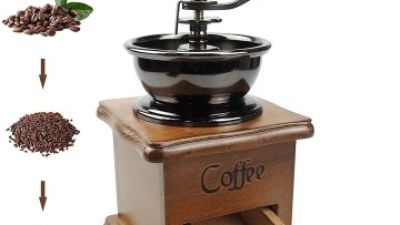
How a Wooden Classical Portable Hand Manual Coffee Mill Grinder Elevates Everyday Brewing
A wooden classical portable hand manual coffee mill grinder can transform everyday brewing into a more thoughtful and enjoyable ritual. Its warm wooden body brings a timeless, handcrafted character to the kitchen, office, or travel setup, while the durable metal components provide dependable performance for daily use. Instead of simply pressing a button, users can engage with the process, feeling the beans turn smoothly as fresh grounds are prepared by hand.
Designed for convenience, this compact grinder is easy to carry and store, making it suitable for home brewing, weekend trips, and quiet coffee breaks at work. Its manual operation allows coffee lovers to adjust the grinding process according to their preferred brewing method, whether they enjoy a delicate pour-over, a rich French press, or a stronger cup prepared in a traditional style. Grinding immediately before brewing also helps preserve the beans’ aroma and character.
Beyond its practical function, the combination of natural wood and refined metal makes the grinder an attractive decorative piece. It can add warmth to a coffee corner, complement a classic interior, or serve as a thoughtful gift for customers, colleagues, and friends who appreciate craftsmanship. Each use brings together tactile pleasure, visual charm, and a deeper connection with the coffee-making experience.
FAQS
Hardened steel burrs usually provide sharp, consistent grinding. Stainless steel resists corrosion in busy kitchens. Hardwood feels warm but needs protection from moisture.
Ceramic resists rust but may crack after a drop. Metal feels stronger, though moisture can cause corrosion. Performance varies between models.
Choose clear grind settings, a wide refill opening, and a broad, stable base. Smooth one-hand operation matters. Stiff mechanisms become annoying quickly.
A wide opening reduces spills and frustration, especially with oily fingers. A visible fill line would help. I sometimes refill too early and make a mess.
Use a dry, soft brush to remove pepper dust. Wipe the exterior with a slightly damp cloth, then dry it immediately. Keep the chamber dry.
Avoid soaking wooden surfaces. Moisture can swell the wood and weaken small joints. Steam beside a boiling pot can also cause damage over time.
Check the burrs, shaft, cap, and adjustment ring every few weeks. Fine dust may collect inside. Uneven grinding signals that inspection is needed.
Keep fingers clear when turning a stiff mechanism. Choose food-contact-safe materials and parts that do not shed loose fragments. A loose cap can become a problem.
Keep salt and pepper clearly separated to prevent accidental over-seasoning. Store both pieces away from steam. Dry storage helps protect the mechanisms.
No. Weight can improve stability, but it does not guarantee easy refilling or cleaning. I once chose a heavy mill with an awkward opening. That was a mistake.
Conclusion
Choosing the best Pepper mill in 2026 means looking beyond appearance and focusing on performance, comfort, and long-term reliability. An effective model should produce a consistent grind, offer several coarseness settings, and match your cooking habits. Manual mills are simple and quiet, while electric options may be more convenient for frequent use or one-handed operation. The grinding mechanism is especially important, as strong, corrosion-resistant components can improve consistency and durability.
Size, capacity, and handling also deserve careful consideration. A compact mill suits small kitchens and occasional use, while a larger model reduces the need for frequent refilling. Comfortable grips, easy adjustment controls, and a stable base can make everyday cooking more enjoyable. Choose materials that resist moisture and wear, and check whether the mill can be cleaned without damaging its mechanism. Regular maintenance, dry storage, and safe operation will help preserve performance. By balancing grind quality, usability, capacity, durability, and maintenance needs, you can select a Pepper mill that fits your kitchen and cooking style.
 +86 15268683708


 Contact Phone
 Contact Email
 Wechat