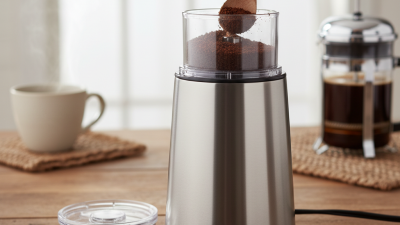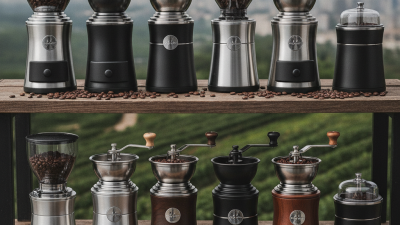

Choosing a good Espresso Grinder can change the entire experience of brewing at home. It affects grind consistency, extraction speed, flavor clarity, and daily workflow. A polished espresso machine cannot fully correct uneven coffee particles. The difference appears in the cup, especially through bitterness, sourness, or a thin crema.
James Hoffmann, co-founder of Square Mile Coffee Roasters, has said, “The grinder is the most important piece of equipment in coffee.” His observation reflects years of professional tasting, brewing, and equipment testing. This guide examines ten types of Espresso Grinder worth considering, from compact entry-level models to powerful commercial-style machines. Each category has practical strengths. Each also has compromises.
Some grinders offer precise micro-adjustments. Others provide faster dosing, quieter operation, or easier cleaning. Burr design matters, but it is not the only factor. Retention, heat, motor durability, and service support can shape long-term results. A beautiful grinder may still frustrate you after several weeks. That detail is easy to overlook.
Your coffee routine should guide the purchase. A single drink each morning needs different features from a busy household setup. Fresh beans, accurate weighing, and regular cleaning remain essential. Even the best machine cannot rescue stale coffee or careless dosing. No grinder is perfect. The goal is not chasing an expensive label. It is finding a reliable good espresso grinder that matches your taste, budget, counter space, and patience. Expect a learning curve. That is part of making better espresso.
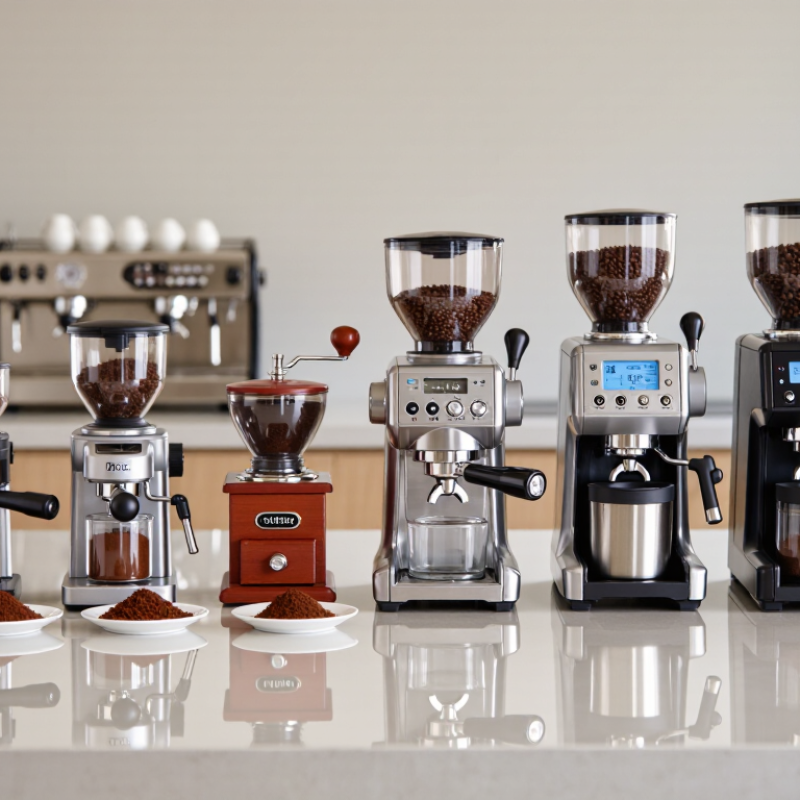
A good Espresso Coffee Grinder should produce a consistent particle size, not merely look powerful on a countertop. In my testing, evenly ground coffee creates a steadier espresso flow and fewer bitter, sharp flavors. A reliable grinder offers small adjustment steps, so you can correct a shot by seconds rather than guesswork. Burr alignment matters too. Misaligned burrs may leave fine dust beside visibly larger pieces. That uneven mix can cause channeling and a thin crema.
Freshness and workflow also define quality. A useful grinder keeps coffee retention low, because yesterday’s grounds should not quietly join today’s dose. The chute should release grounds cleanly, without clumps sticking around its edges. Strong motors help, but speed alone is not enough. Excessive heat can dull delicate aromas during repeated use. Even an expensive grinder may frustrate you if its adjustment feels vague or cleaning takes too long. I have overlooked that practical detail before.
Tips: Weigh the beans and ground coffee with a small scale. Test one change at a time. If espresso runs too quickly, choose a slightly finer setting. If it tastes harsh and drips slowly, go coarser. Brush the burr area regularly, but avoid careless handling. Listen for unusual rattling, and inspect the grind before blaming the coffee. A good grinder should make this process calmer, though perfection remains unrealistic.
The ten main types of espresso grinders differ by cutting method, power, dosing, and adjustment.
Blade grinders use spinning knives, but they create uneven particles and heat. Conical burr grinders run quietly and suit many home users.
Flat burr grinders often deliver sharper particle separation and repeatable extraction. Manual grinders use a hand crank, while electric grinders save time during busy mornings.
Stepped grinders use fixed clicks for simple adjustments. Stepless grinders offer finer control, although dialing in takes patience. Single-dose grinders grind one measured portion and reduce stale coffee. Doser grinders collect grounds inside a chamber before release. Commercial high-speed grinders handle repeated shots, but they may retain more coffee. Gear-drive grinders emphasize strong torque and stable burr movement.
These categories can overlap. A manual grinder can also be conical and stepless. That detail is easy to miss.
The National Coffee Association’s Spring 2024 report found that 67% of American adults drank coffee the previous day. The International Coffee Organization reported global coffee consumption above 170 million 60-kilogram bags in 2024. Better grinding matters at that scale, even in a small kitchen.
For an Espresso Grinder And Maker setup, check particle consistency, retention, noise, and cleaning access. A practical test uses the same dose and measures the shot time. Experience also shows that perfect settings rarely last after weather changes.
Tips: Start with a medium-fine setting. Adjust one step at a time. Weigh beans before grinding. Wipe the chute weekly. I still question very cheap blade models; they are affordable, but uneven grounds can hide extraction problems.
Among the top ten types of good espresso grinders, manual models stand out for portable, hands-on brewing. They need no outlet, so they suit travel, small kitchens, and quiet mornings. A sturdy hand grinder should use hardened burrs, stable bearings, and fine adjustment steps. These details help produce a more even espresso grind.
I usually measure 18 grams of beans before grinding. The process may take one to two minutes, depending on the burr size and bean hardness. My forearm notices the difference. A longer handle improves leverage, while a rubber grip keeps the grinder steady on a narrow counter. Choose a compact body that fits inside a travel case, but avoid extremely small designs if they create excessive grinding effort.
The adjustment mechanism deserves careful attention. Espresso needs fine control because a small change can alter flow time and flavor. I prefer clear settings that return to the same position. However, no manual grinder removes every variable. I still misjudge bean freshness and sometimes grind too fine. That mistake creates a slow, bitter shot. Cleaning the burrs regularly also matters, especially after oily beans. A simple brush and dry storage can protect consistency during repeated use.
Electric espresso grinders make morning preparation faster and less tiring. Useful types include single-dose, hopper-fed, conical-burr, flat-burr, stepless, timed-dose, grind-by-weight, compact, quiet, and commercial-style grinders. Each design supports a different routine. A single-dose grinder helps users switch beans easily. A hopper-fed model keeps busy mornings moving. Flat burrs often offer precise particle control, while conical burrs can work efficiently with less heat buildup.
Consistency matters more than impressive speed. A good electric grinder should produce fine adjustments for espresso dialing-in. Stepless controls are helpful when one small change affects extraction time. Grind-by-weight systems can reduce guesswork, although their readings may need occasional checking. I usually weigh the grounds separately during testing. That extra step reveals whether the grinder is truly accurate. It can also expose clumping, retention, or uneven dosing.
Convenience comes from small details. A clear hopper, accessible burrs, low static, and a stable portafilter holder improve daily use. Quiet operation matters in shared homes. Compact designs suit limited counters, but smaller motors may struggle during repeated grinding. No grinder is perfect. I have found that even a reliable model may need brushing after several shots. Burr alignment, bean freshness, and humidity also influence results. Choose the electric type that matches your workload, adjustment habits, and willingness to clean.
A Coffee And Espresso Grinder should match your brewing habits, not just its advertised burr shape. Conical and flat burr grinders both produce excellent espresso when their alignment, motor, and adjustment system are well designed. Burr geometry matters, but it is not the only deciding factor.
Conical burrs often work at lower speeds and can feel quieter in a home kitchen. Their grinding path may handle small doses efficiently, with less coffee remaining inside some designs. I find them forgiving during early dialing-in, especially with medium-roast beans. However, the grind can contain a wider range of particle sizes. This may create both sweetness and slight bitterness in one shot.
Flat burrs usually produce a more uniform particle distribution. That consistency can make extraction easier to repeat, particularly with light-roast coffee. In testing, a flat-burr grinder often showed clearer acidity and sharper flavor separation. It may also need careful alignment and stable temperature control. Some models retain more grounds around the burr chamber. That detail becomes frustrating when changing coffees daily.
My first comparison was flawed. I judged flavor before equalizing dose, water temperature, and extraction time. After correcting those variables, the difference became smaller than expected. A practical buyer should inspect adjustment accuracy, cleaning access, retention, noise, and repair support. A grinder that wastes less coffee may outperform a technically impressive model in everyday use. Small details matter.
Conical and flat burr grinder configurations compared by typical burr diameter.
Larger burrs generally support higher grinding throughput and can reduce heat buildup, while conical burrs often allow a compact design and flat burrs commonly provide a broad grinding surface. The values shown are typical physical specifications for each grinder configuration, and burr diameter alone does not determine grind quality.
Choosing among the top 10 types of good espresso grinders starts with the design, not the price. A quality Espresso Bean Grinder should produce consistent particles, steady dosing, and minimal heat. The Specialty Coffee Association links repeatable extraction with control over dose, grind size, and brewing time. That makes adjustment precision more useful than flashy specifications.
Single-dose grinders suit drinkers who change beans often. You weigh each dose, grind it, and brush out the chamber. This reduces stale coffee, but retention can still surprise you. I sometimes lose a small amount inside the chute. It is annoying, yet manageable. Hopper-based grinders work better for busy kitchens. A filled hopper supports faster service and fewer weighing steps. However, beans may sit for hours, especially in warm rooms. The National Coffee Association’s Spring 2024 report found that 67% of American adults drank coffee in the past day. That volume helps explain the demand for convenient hopper designs.
Doser grinders collect ground coffee in a chamber before dispensing a measured portion. They can keep the counter tidy and support repeated shots. Still, the chamber may hold older grounds. Regular purging becomes essential. The International Coffee Organization reported global coffee consumption near 177.9 million 60-kilogram bags for 2023/24. Large demand does not make every grinder suitable. Home users may prefer single-dose control, while cafés often value hopper speed. No design is perfect. Your workflow decides the better compromise.
| Rank | Grinder Type | Grinding and Feeding Design | Dosing Method | Burr and Adjustment Characteristics | Typical Capacity | Main Advantages | Potential Limitations | Best Suited For |
|---|---|---|---|---|---|---|---|---|
| 1 | Single-Dose Flat-Burr Grinder | Beans are added for one preparation at a time, usually through a small top-mounted inlet. | Weigh beans before grinding; the full dose is ground directly into a portafilter or dosing cup. | Flat burrs are commonly available in medium to large diameters. Stepless adjustment allows precise espresso dialing. | Usually about 18–30 g per dose | Low retained coffee, easy bean changes, strong control over recipes, and good repeatability for home espresso. | Requires weighing and refilling for every shot; workflow is slower for many consecutive drinks. | Home users who switch between beans or value freshness and precise control. |
| 2 | Single-Dose Conical-Burr Grinder | Uses a single-dose feed path with conical burrs that rotate around a central axis. | Manual weighing or a pre-weighed dose container. | Conical burrs can produce espresso-capable grounds with relatively low power demand. Stepped or stepless adjustment may be used. | Usually about 18–30 g per dose | Efficient for home use, convenient for changing coffees, and often compact and comparatively quiet. | Some designs may require manual bellows or a short purge to reduce leftover grounds. | Compact kitchens, low-to-moderate daily volume, and users who rotate coffees frequently. |
| 3 | Hopper-Based Flat-Burr Grinder | A bean hopper continuously feeds beans into horizontally arranged flat burrs. | Timed dosing, manual start-and-stop dosing, or electronic portion control. | Flat burrs offer a consistent cutting geometry. A stepless collar is useful when small espresso adjustments are needed. | Commonly about 200–500 g in the hopper | Fast workflow, convenient repeated dosing, and good suitability for preparing several drinks in succession. | More beans remain in the hopper and grind chamber; changing coffees can require emptying and purging. | Households or small beverage stations that normally use one coffee at a time. |
| 4 | Hopper-Based Conical-Burr Grinder | Beans are stored in a hopper and fed vertically through conical burrs. | Timed, manual, or portion-based dosing into a portafilter or container. | Conical burrs can grind efficiently at moderate speed and are available with stepped or continuous adjustment systems. | Commonly about 200–500 g in the hopper | Convenient for routine use, generally efficient, and suitable for users who prefer a simple fill-and-grind workflow. | Less convenient for frequent bean changes; retention and stale coffee may affect the first dose after a long pause. | Daily espresso drinkers who use the same beans for multiple shots. |
| 5 | Doser-Style Grinder | Ground coffee collects in a dosing chamber rather than going directly into the portafilter. | A lever or dosing mechanism releases coffee in portions from the chamber. | Often paired with large burrs and a hopper. The adjustment may be stepped or stepless depending on the design. | Hopper capacity often ranges from about 250–1,000 g | Can dispense repeatable portions quickly and provides a tidy, hands-free portafilter workflow. | Ground coffee can remain in the doser, creating retention and freshness concerns when volume is low. | Busy home setups or small service environments with continuous coffee production. |
| 6 | Stepless Micrometric Grinder | May use a single-dose or hopper-based feeding system. | Manual, timed, or electronic dosing depending on the configuration. | Stepless adjustment provides continuous control rather than fixed click positions, allowing very fine espresso calibration. | Depends on the hopper or single-dose configuration | Excellent for dialing in different beans, adjusting for humidity, and correcting small changes in extraction speed. | It can be harder to return to a previous setting without markings or a recorded position. | Enthusiasts who frequently optimize grind size and use multiple espresso recipes. |
| 7 | Stepped Espresso Grinder | Available in both hopper-based and single-dose formats. | Manual dosing, timer-based dosing, or preset portions. | Uses defined clicks or steps for grind adjustment. Clear settings make repeatable changes easier, although the available increments may be less precise. | Usually about 20–500 g, depending on the design | Simple to learn, easy to repeat a setting, and practical for users who prefer a straightforward adjustment system. | A step may be too coarse for a particular coffee, making precise flow-rate adjustment more difficult. | Beginners, shared households, and users who prioritize simple operation. |
| 8 | Manual Espresso Grinder | Hand-powered burrs grind beans without an electric motor. | Beans are weighed and ground directly into a cup or portafilter. | Usually uses compact conical burrs with stepped or stepless adjustment. Grinding speed depends on the user. | Commonly about 18–40 g per load | Portable, quiet, energy-independent, and often capable of producing espresso-fine grounds at a lower purchase cost. | Grinding takes physical effort and time, especially for several shots or very light-roasted beans. | Travel, occasional espresso, small spaces, and users who do not mind manual preparation. |
| 9 | High-Volume Commercial Grinder | Designed for continuous hopper feeding and repeated grinding during busy service periods. | Usually uses programmable timed doses, manual controls, or a doser mechanism. | Large burrs, powerful motors, cooling provisions, and durable adjustment systems support sustained operation. | Often about 1–2 kg in the hopper | High throughput, strong thermal management, durable construction, and consistent dosing during busy periods. | Large footprint, higher energy use, greater cost, and unnecessary capacity for many home users. | Cafés, restaurants, offices, and other environments serving many espresso drinks daily. |
| 10 | Grind-by-Weight Espresso Grinder | Can be single-dose or hopper-based and incorporates a scale or load-cell system. | Stops grinding when the programmed ground-coffee weight is reached. | May use flat or conical burrs with stepped or stepless adjustment. Accuracy depends on calibration, retention, and dose placement. | Varies from single doses to commercial hopper capacities | Reduces manual weighing, supports consistent dose targets, and helps streamline repeated espresso preparation. | More electronics and calibration requirements; retained coffee can still cause the delivered dose to vary. | Users who want automated dosing consistency and a fast, repeatable workflow. |
Buying note: Burr geometry, adjustment precision, retention, grind consistency, motor performance, cleaning access, and workflow are generally more important than the grinder category alone. Actual capacity and performance vary by design.
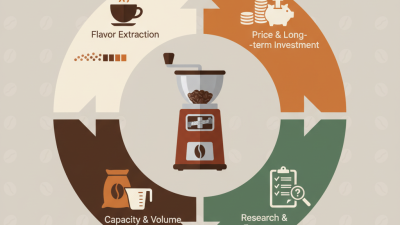
Choosing an espresso grinder starts with your machine, not a shopping list. A basic machine with a pressurized basket can tolerate less precise grinding. An unpressurized basket needs fine, repeatable adjustment. For beginners, a compact conical-burr grinder offers a practical balance of price, noise, and usability. Hand burr grinders cost less, but repeated morning grinding can become tiring. Flat-burr, stepless, single-dose, doserless, commercial, hybrid, and low-retention designs offer more control. Blade grinders are rarely suitable for espresso.
Budget should cover the grinder, a small scale, and occasional maintenance. Spending too little often creates clumps, uneven extraction, and wasted coffee. Mid-range grinders usually provide stronger burrs and finer adjustment. Higher-priced models may improve speed, alignment, and workflow rather than taste alone. Your skill level matters. A learner may prefer clear stepped settings, while an experienced user may value stepless adjustment for small changes. Check the machine’s basket size and available counter space. A large grinder beside a tiny machine can feel strangely inconvenient. I have also overvalued speed before; consistency mattered more.
Tips: Buy a burr grinder with stable adjustment, low retention, and accessible cleaning. Weigh beans before grinding. Change one setting at a time. If shots run quickly, grind finer; if they taste harsh and slow, grind coarser. Keep notes, because memory is unreliable.
The 2Pack Electric Salt and Pepper Grinder Set reflects the growing demand for convenient, modern kitchen tools highlighted in market research from Statista and Grand View Research. As households increasingly value time-saving appliances, rechargeable seasoning grinders offer an easy way to improve everyday cooking. This two-piece set provides dedicated grinders for salt and pepper, helping users keep flavors organized while adding a refined touch to dining tables, kitchen counters, and outdoor meal settings.
Each grinder features a transparent base, allowing users to monitor seasoning levels at a glance and display the natural texture of the contents. USB recharging reduces the need for disposable batteries, while adjustable coarseness settings support everything from fine seasoning to a more textured grind. An integrated LED light helps illuminate the dispensing area, making the grinders practical for evening meals and adding a premium visual detail. Durable materials are designed for regular use, supporting the product’s appeal in home goods departments, housewarming selections, and gift markets. Its combination of functional design, convenient charging, and attractive presentation suits consumers seeking practical upgrades for contemporary kitchens.
It should produce particles with a similar size. This supports steadier extraction and fewer harsh flavors. Appearance means little.
Misaligned burrs create fine dust and larger pieces together. This uneven mix may cause channeling, weak crema, and inconsistent taste.
No. Speed helps busy mornings, but excessive heat may reduce delicate aromas. Consistency matters more than impressive motor power.
A single-dose grinder allows easy bean changes. You add only the needed amount for each shot. Retention stays easier to monitor.
It keeps preparation moving during busy mornings. However, beans may remain inside longer. Freshness becomes harder to control.
Not automatically. Flat burrs can offer precise particle control. Conical burrs may work efficiently with less heat buildup. Your routine matters.
If the shot runs quickly, choose a slightly finer setting. If it drips slowly and tastes harsh, go coarser. Change one variable at a time.
Weigh the beans and the grounds with a small scale. Compare the two amounts. I sometimes skip this step, and regret it.
Low retention, a clean chute, accessible burrs, and low static help. A stable portafilter holder also reduces mess on the counter.
Brush the burr area regularly and inspect the chute. Cleaning needs vary with use. Do not handle burrs carelessly. Small details matter.
A good espresso grinder is defined by precise particle size, reliable adjustment, low heat generation, and the ability to produce a balanced coffee bed. The ten main types can be understood through their design and intended use: manual grinders for portability and hands-on control, electric grinders for speed and convenience, conical burr and flat burr models for different grinding characteristics, and single-dose, hopper-based, or doser designs for various workflows. Each type offers advantages depending on how often you make espresso and how much control you prefer.
Choosing the right grinder depends on your budget, experience, and espresso machine. Beginners may value simple controls and consistent results, while experienced users may prefer finer adjustment steps, stronger construction, and greater control over dosing. A portable manual option suits occasional brewing, whereas an electric model is better for frequent preparation. Comparing burr design, adjustment range, retention, cleaning needs, and daily capacity can help you find a good espresso grinder that matches your skills and brewing habits.