
 +86 15268683708



Industry News
0102030405
Coffee and pepper grinders
2026 Home Appliance Procurement Trends: How to Balance Procurement Costs with Intelligence and Portability
2026-01-15
1. Core Contradiction in 2026 European and American Home Appliance Procurement: The Dual Challenges of Surging Demand for Intelligence & Portability and Procurement Cost Control
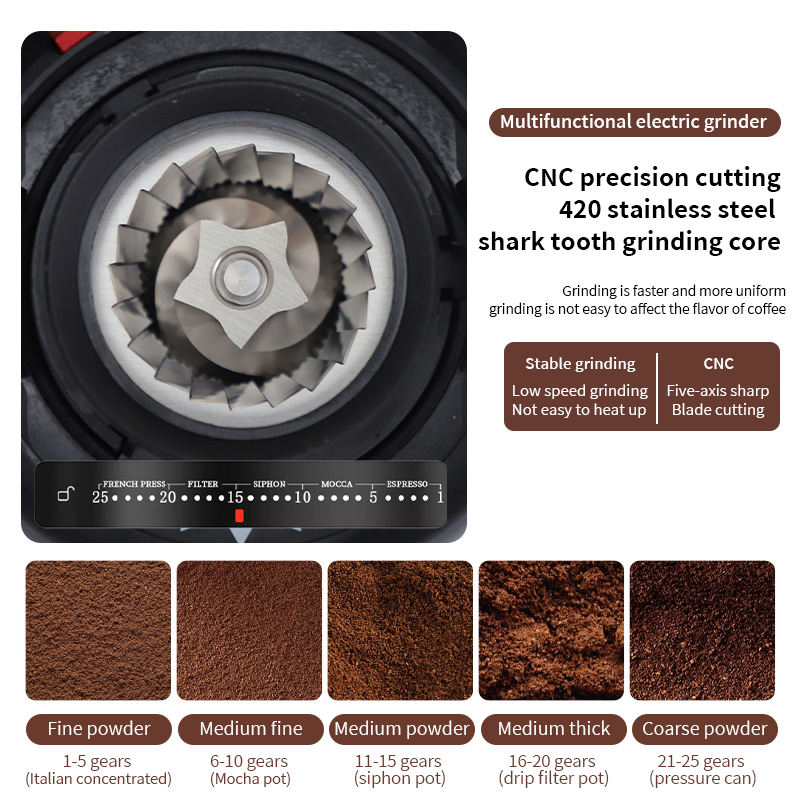
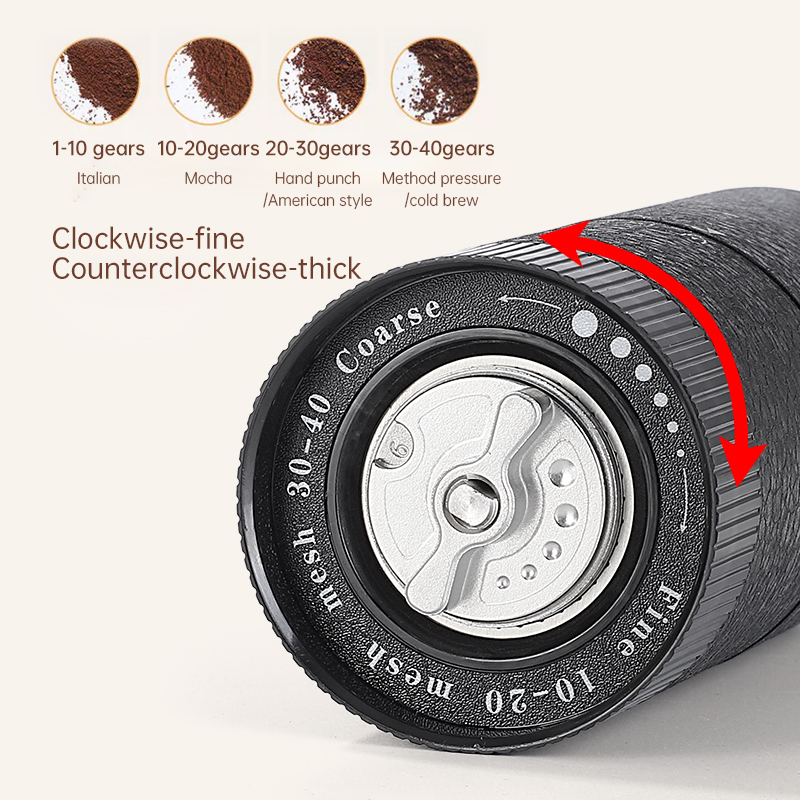
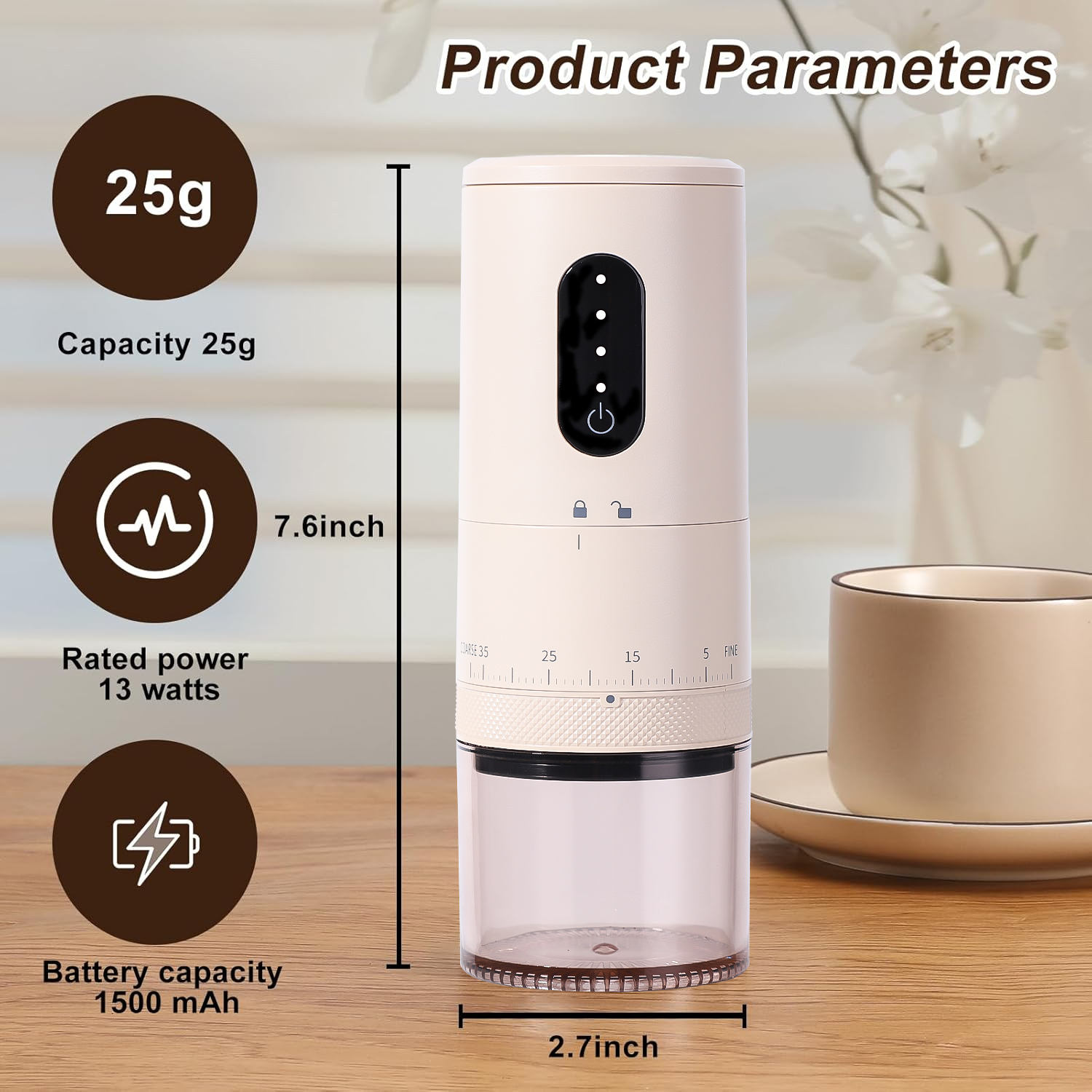
According to the NIQ GfK report, the 2026 European and American home appliance market presents a confrontation between "demand upgrading" and "cost pressure": 74% of consumers list "intelligence + portability" as core considerations, with search volume for related kitchen small appliances increasing by 62%; however, procurement costs have risen by 15% year-on-year, and the cost of intelligent components accounts for 28% of the total unit cost. Taking electric coffee grinders as an example, meeting the requirements of "over 30 levels of precise grinding + body weight within 500g" requires a 30% cost increase, leaving many purchasers in a dilemma of "either sacrificing functions or compressing profits". Blossom's market research shows that 68% of international supermarket procurement managers rank "balancing intelligence, portability and cost" as their top annual goal, which has also become the core topic defining this year's home appliance procurement trends.
2. Procurement Value of Intelligence and Portability: Why They Are Indispensable Competitive Elements in European and American Markets
For European and American B-end purchasers, "intelligence + portability" are not "add-ons" but "necessities" to enhance product competitiveness and expand market share, with core procurement value reflected in three aspects:
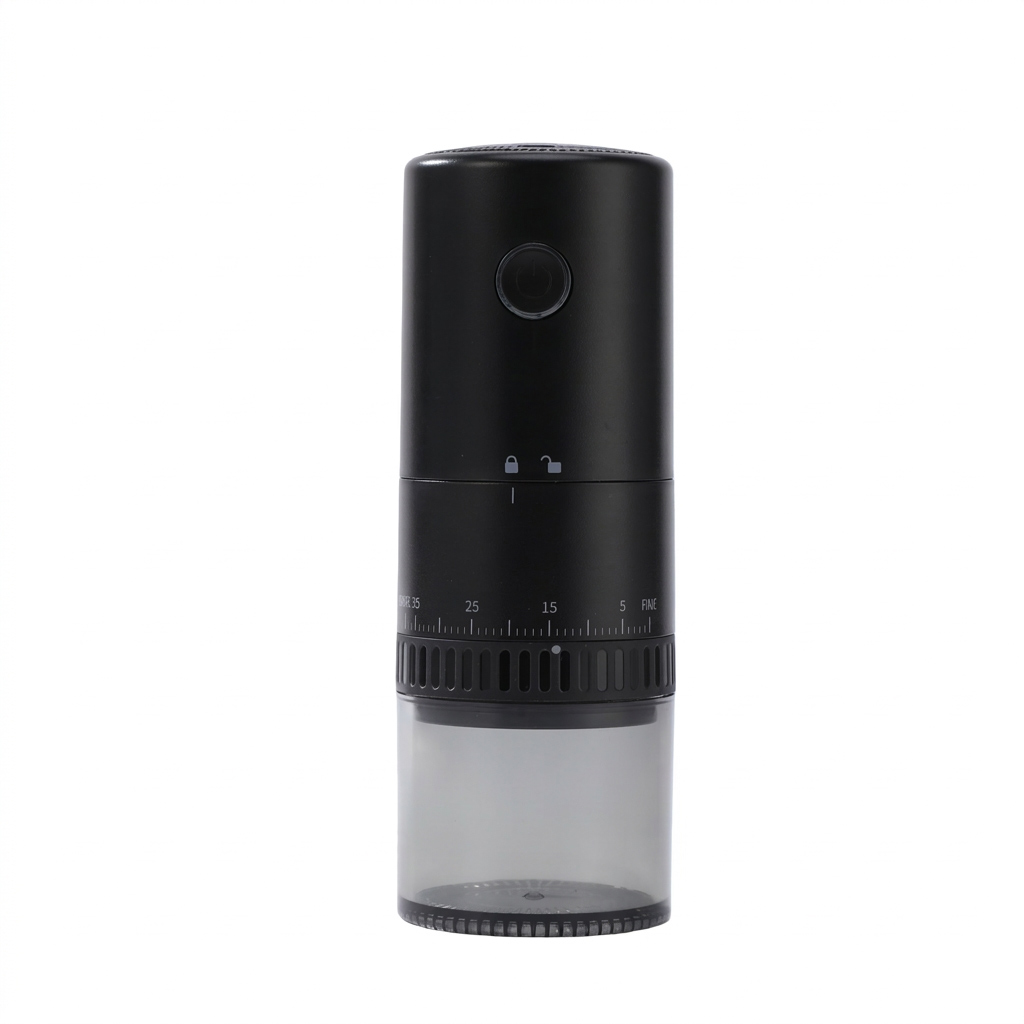
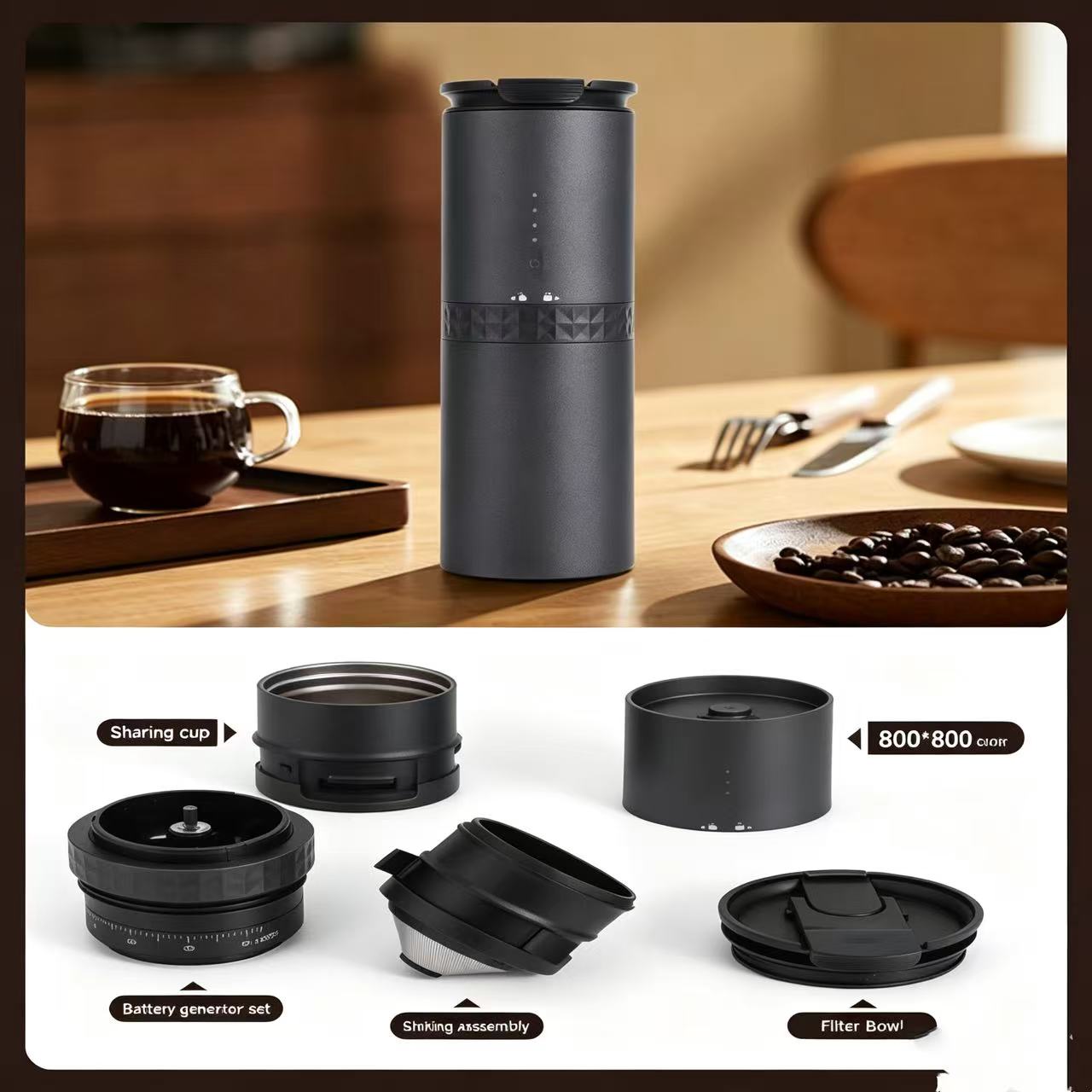
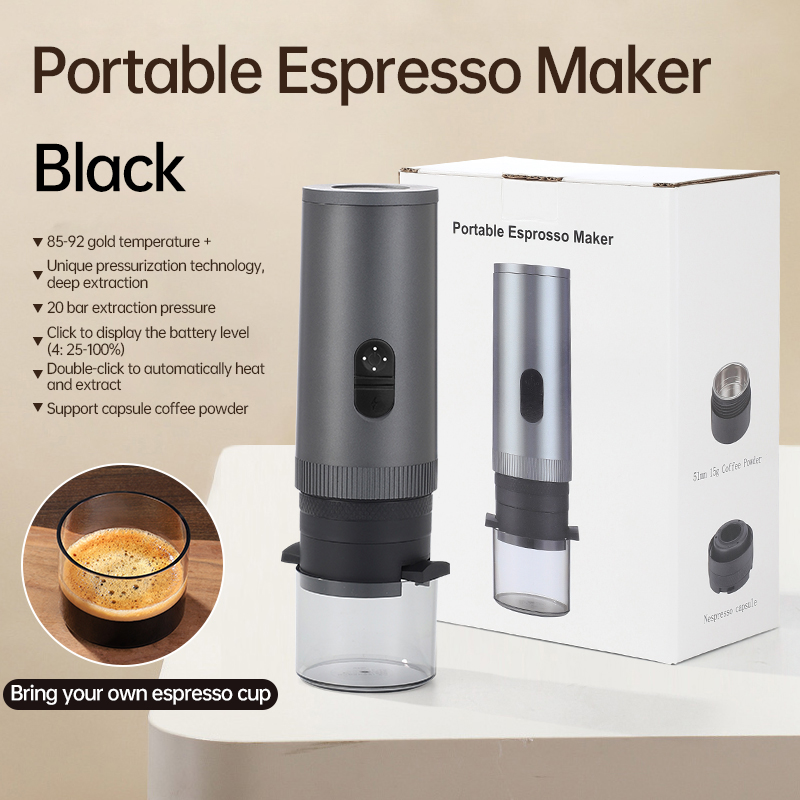
(1) Premium Enhancement: Intelligent functions drive terminal pricesBlossom's electric coffee grinder, featuring 38 levels of precise grinding, has a terminal price 40% higher than ordinary models in European and American supermarkets and a 25% increase in repurchase rate.
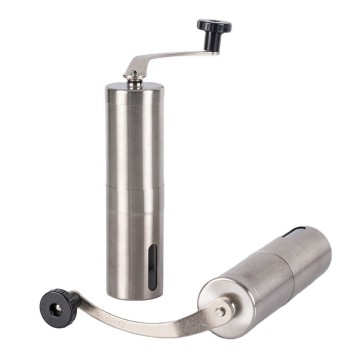
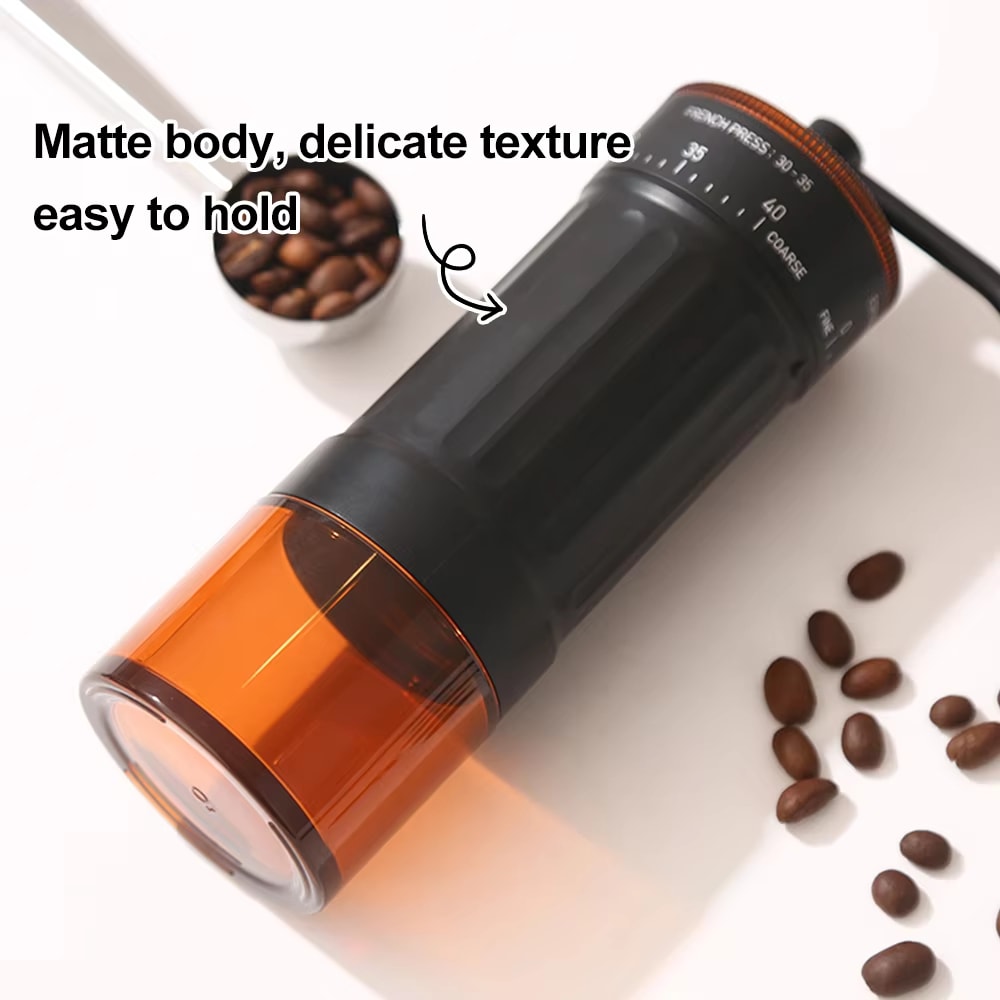
(2) Scenario Expansion: Portability opens up diverse marketsBlossom's manual coffee grinder adopts a foldable handle design, with a storage volume only 1/3 of traditional models. It not only becomes a popular choice for business gift distributors but also enters the procurement list of North American camping equipment chain REI, covering household, outdoor and gift scenarios.
(3) Compliance and Trust Endorsement: Intelligent functions facilitate compliance certificationBlossom's portable blender, equipped with "full-body waterproof + safety lock", has passed FCC/FDA/LFGB certifications. Purchasers report that "products with intelligent safety functions have a 30% improvement in customs clearance efficiency and a consumer complaint rate of less than 0.3%".
3. Analyzing Home Appliance Procurement Cost Structure: Which Links Are Eroding Profits from Intelligence and Portability?
Based on 10 years of experience in the European and American supply chain, Blossom breaks down the procurement costs of related products into four core links, with key pain points as follows:
(1) R&D Costs: The R&D cycle for intelligent modules is 6-8 months, with a 50% increase in labor costs, making it difficult to amortize costs with low procurement volumes.
(2) Production and Quality Control Costs: Portability requires higher production precision, with an initial yield rate of 85% and an 18% increase in rework costs; intelligent components require 3 additional quality control tests, increasing the cost ratio from 5% to 9%.
(3) Logistics and Inventory Costs: Customization of intelligent products leads to a surge in SKUs. A wholesaler reported that SKUs for intelligent coffee grinders increased from 5 to 12, resulting in a 30% decrease in inventory turnover rate and a 12% increase in warehousing costs.
(4) Compliance Costs: Intelligent products require additional EMC testing, with certification fees 30% higher; specific markets require SASO, Halal and other certifications, with a single product cost of approximately 80,000 US dollars, leading to a sharp rise in unit costs for small procurement volumes.
4. Customized Procurement Solutions: Cost Optimization Paths for Different B-end Customers
Targeting the differentiated needs of European and American B-end customers, Blossom launches exclusive solutions to balance intelligence, portability and cost control:
(1) International Supermarkets: 5-month batch production + 4-level full-process quality control, reducing unit costs by 20% with a defect rate ≤ 0.1%.
(2) Business Gift Distributors: MOQ reduced to 500 units, supporting combined procurement discounts and packaging customization with 15-day fast delivery.
(3) E-commerce Private Label Distributors: Providing FBA labeling + US warehouse stocking services, with 7-day warehouse arrival, reducing logistics costs by 30% and supporting small-batch replenishment.
(4) Home Appliance Wholesalers: Regional exclusive distribution + localized compliance, safeguarding profits and reducing compliance costs.
5. 2026 H2 Procurement Outlook: How AI and Circular Economy Further Reduce Costs of Intelligence and Portability
In H2 2026, two major trends—AI and circular economy—will help European and American purchasers further balance "intelligence + portability" with costs:
(1) AI-empowered Procurement: Blossom is piloting an "AI demand forecasting system" that analyzes European and American supermarket sales, e-commerce search and other data to predict best-selling products 3 months in advance, avoiding inventory costs from over-procurement; AI also optimizes supply chain routes, reducing logistics costs by an additional 8%.
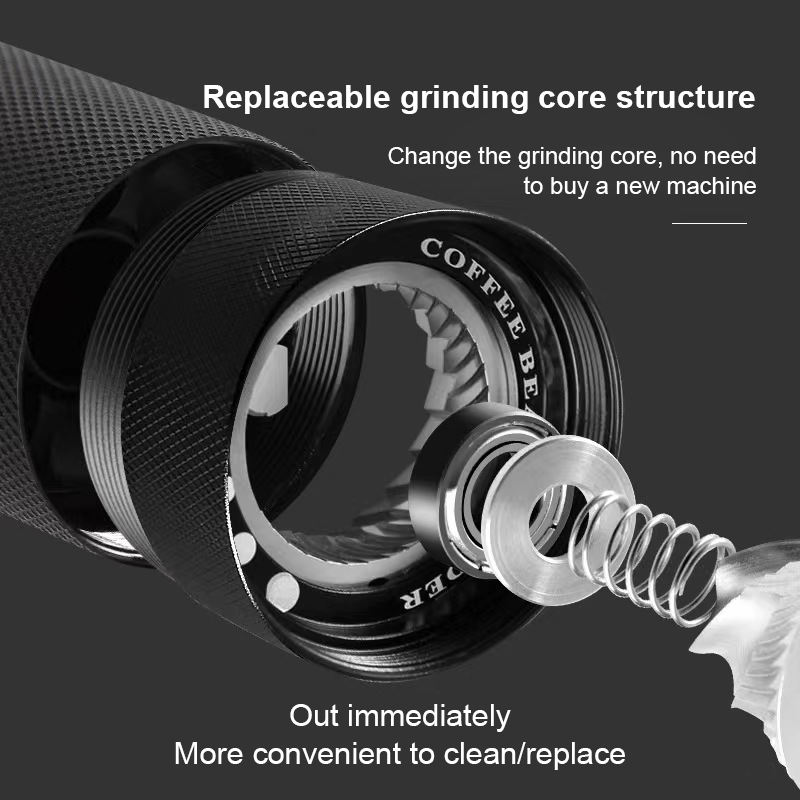
(2) Circular Economy Cost Reduction: Blossom plans to replace portable home appliance packaging with biodegradable materials such as corn starch-based options, complying with EU environmental regulations to avoid fines while reducing packaging costs by 15%; promoting a "modular repair" model where intelligent components can be replaced individually instead of whole-machine scrapping, expected to reduce after-sales costs of intelligent home appliances by 25% by the end of 2026.
(3) Core Recommendations: Purchasers' 3-Step Action Guide
- Prioritize brands with modular design to meet diverse needs through module combination and avoid repeated R&D costs.
- Lock in bulk procurement based on sales cycles to secure peak season discounts.
- Bind "compliance + logistics" integrated services and select suppliers with European and American certifications and overseas warehouses to reduce hidden costs.
Summary
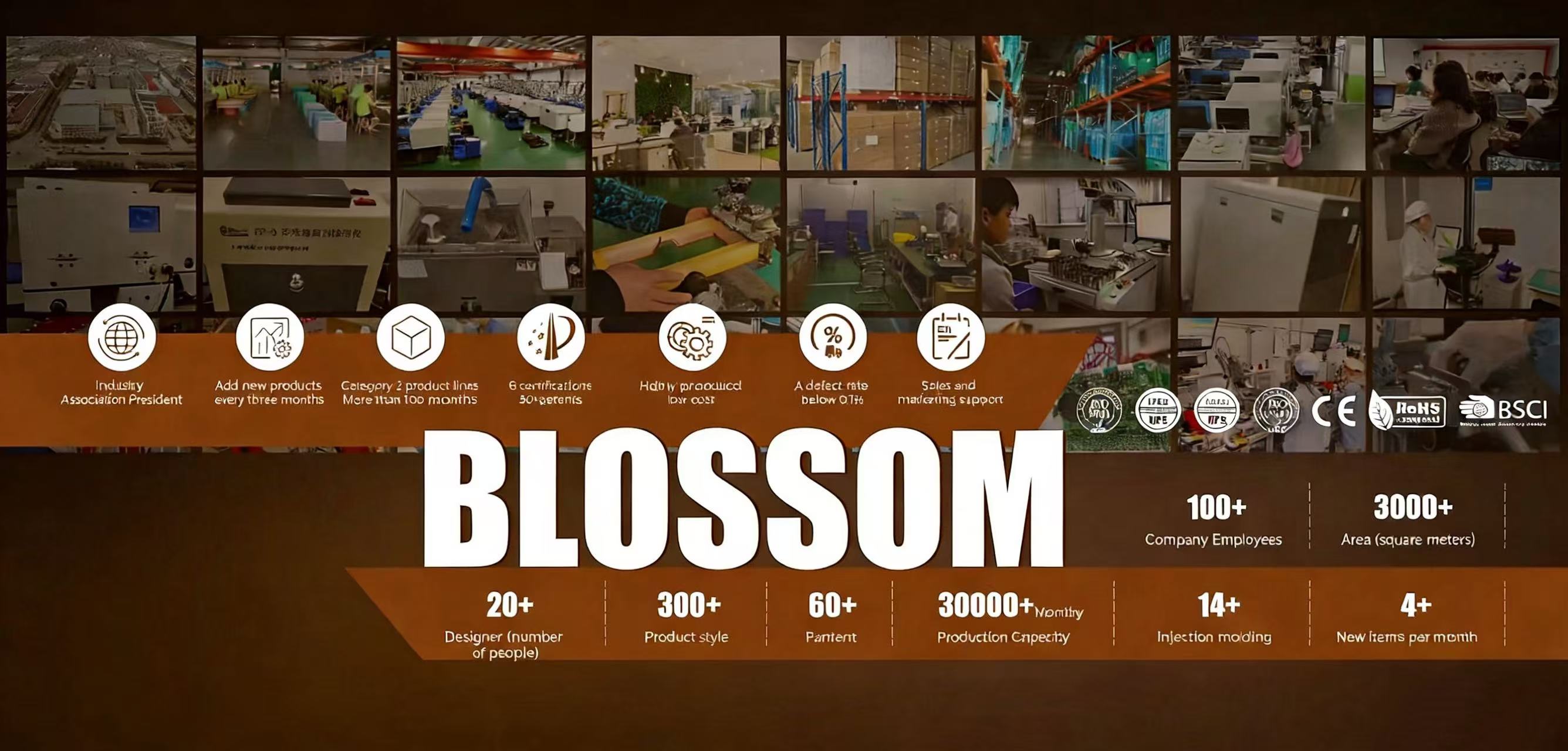
2026 European and American home appliance procurement is no longer a choice between "intelligence and portability" and "cost", but about achieving synergy through precise product selection, customized solutions and supply chain optimization. With over 30 patents, a defect rate below 0.1% and full-link customized services, Blossom has become a preferred partner for customers such as Aldi and Amazon. To learn more about 2026 intelligent and portable home appliance procurement solutions, visit Blossom's official website, or obtain exclusive procurement quotes via email at fiona@zjblossom.cn.
#2026 home appliance procurement trends#European and American intelligent portable home appliance procurement#Blossom electric coffee grinder#home appliance procurement cost control#international supermarket home appliance bulk procurement
Website:https://www.zjblossom.com/
Email:fiona@zjblossom.cn
Whatsapp:+86 15268683708