

 +86 15268683708


Industry News






0102030405
Coffee and pepper grinders
Burr vs. Blade Coffee Grinder: Which One Makes Better Coffee at Home?
2026-09-05
If your coffee tastes different every morning—even when you use the same beans and brewing method—your grinder may be the reason. The difference between a burr vs. blade coffee grinder is not simply a matter of price or design. It is about how evenly the grinder prepares the coffee before water touches it.
A blade grinder chops beans with a fast spinning blade. A burr grinder crushes beans between two grinding surfaces. That small mechanical difference affects particle size, extraction, cleanup, and how easy it is to repeat a recipe.
For most people who brew coffee at home, a burr grinder is the better long-term choice. A blade grinder can be acceptable for occasional use, but it gives you less control when you want a sweeter pour-over, a cleaner French press, or a more balanced espresso.
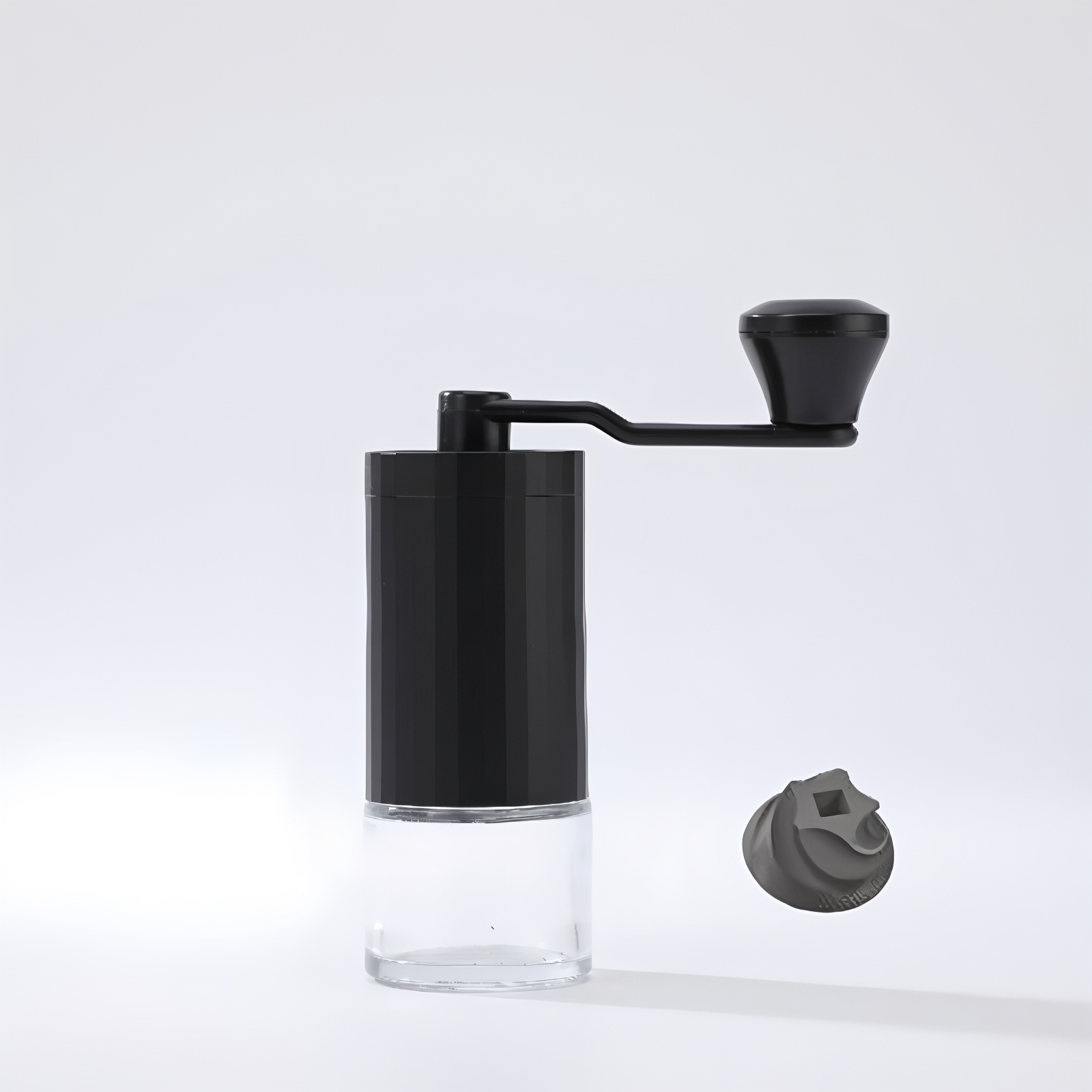
What is the difference between a burr and a blade grinder?
Blade grinders chop coffee unevenly
A blade grinder works a little like a small food chopper. The longer it runs, the more fine dust it creates, but larger pieces may remain at the same time. This mixed particle size is the main problem.
Fine particles extract quickly and can taste bitter. Larger particles extract slowly and may taste sour, weak, or watery. The result is a cup with several flavors competing at once.
You can improve a blade grinder by using short pulses and gently shaking the chamber between pulses. However, this is still a workaround rather than precise control.
Burr grinders create a more repeatable grind
A burr coffee grinder guides beans through a set distance between burrs. The adjustment setting changes that distance, allowing you to move from a fine grind for espresso to a coarse grind for French press or cold brew.
A burr grinder does not make every particle exactly identical. It does, however, produce a more useful and repeatable distribution than a blade grinder. That makes it easier to adjust your brew one variable at a time.
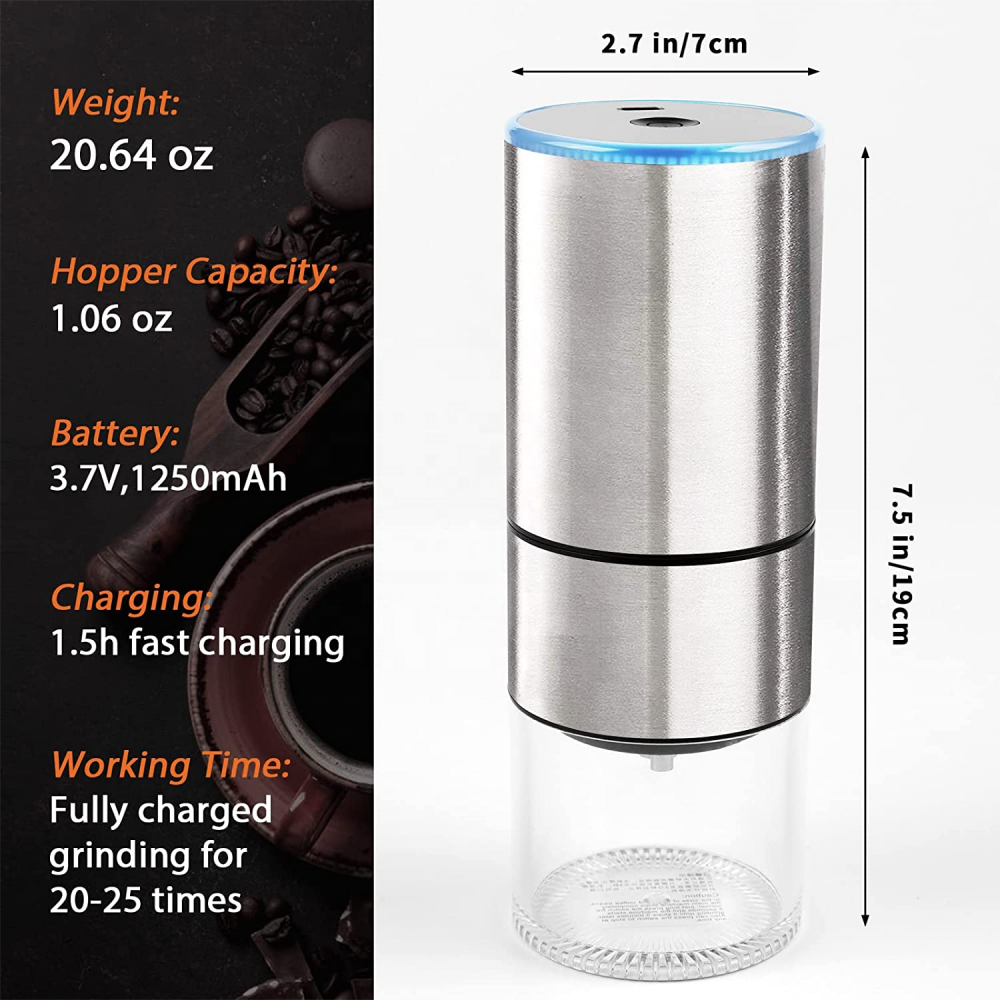
If you are new to burr grinders, Blossom’s electric coffee grinder range is a useful place to compare different countertop formats. For a compact, hands-on routine, browse the manual coffee grinder collection.
How grind consistency changes flavor
Imagine brewing the same 20 grams of coffee in a pour-over. With an uneven grind, the fine particles may become over-extracted while the larger pieces remain under-extracted. You may notice bitterness, dryness, sourness, or a thin finish in the same cup.
With a more consistent grind, water travels through the coffee bed more evenly. You still need the right grind size, water temperature, and brew time, but you have a stable starting point.
Practical example: fixing a weak morning pour-over
An illustrative home-brewing scenario:
- A drinker uses 20 grams of medium-roast beans and 300 grams of water.
- The coffee tastes both sharp and bitter, so they grind slightly finer in a blade grinder.
- The finer dust increases bitterness while the large pieces still produce weak flavors.
- Switching to a burr grinder and starting at a medium-fine setting creates a more even coffee bed.
- The drinker then changes only the grind setting—not the recipe—to fine-tune the cup.
The important lesson is not that a burr grinder automatically makes perfect coffee. It gives you a more dependable control point.
Conical burr or flat burr: which should a home user choose?
For everyday home brewing, a conical burr grinder is often a practical choice because it can cover multiple brewing methods in a compact format. It is a good fit for people who alternate between drip coffee, pour-over, French press, and cold brew.
A flat burr grinder can appeal to espresso-focused users who prioritize fine adjustment and a particular style of particle distribution. The right option depends on your routine, not on the shape alone.
When comparing models, look at:
- The available grind range
- How clearly the setting can be adjusted
- Whether the grounds container is easy to remove
- How simple the burr chamber is to clean
- The grinder’s footprint and noise level
- Whether the product is designed for your voltage and market
For more background on choosing an electric model for a home setup, read Best Electric Coffee Grinder for Home Use.
When is a blade grinder still acceptable?
A blade grinder may be enough if you drink pre-ground coffee most of the time, brew infrequently, or need a very low-cost entry point. It can also work for grinding spices if the product instructions allow it—but avoid using the same chamber for coffee and strong spices unless it can be cleaned thoroughly.
If you brew whole-bean coffee several times a week, the extra consistency of a burr grinder usually makes the daily routine easier. It is especially valuable when you switch between brewing methods.
The simple decision
Choose a burr coffee grinder if you want repeatable flavor, adjustable grind size, and a clearer path to improving your brew. Choose a blade grinder only if occasional use and the lowest upfront cost matter more than consistency.
Once you choose a burr grinder, the next question is just as important: what grind size should you use for your coffee maker? Continue with Day 2: How to Choose the Right Coffee Grind Size.
FAQ
Is a burr grinder better than a blade grinder for home use?
For most whole-bean coffee drinkers, yes. Burr grinders provide more consistent grounds and adjustable control, which makes it easier to get balanced extraction.
Does a burr grinder make coffee taste better automatically?
No. It gives you a more consistent starting point. Beans, water, recipe, freshness, and grind size still affect the final cup.
Should a beginner buy a manual or electric burr grinder?
Choose electric for speed and convenience. Choose manual for portability, quiet operation, and a more hands-on routine. The decision depends on how and where you brew.