
 +86 15268683708



Industry News
0102030405
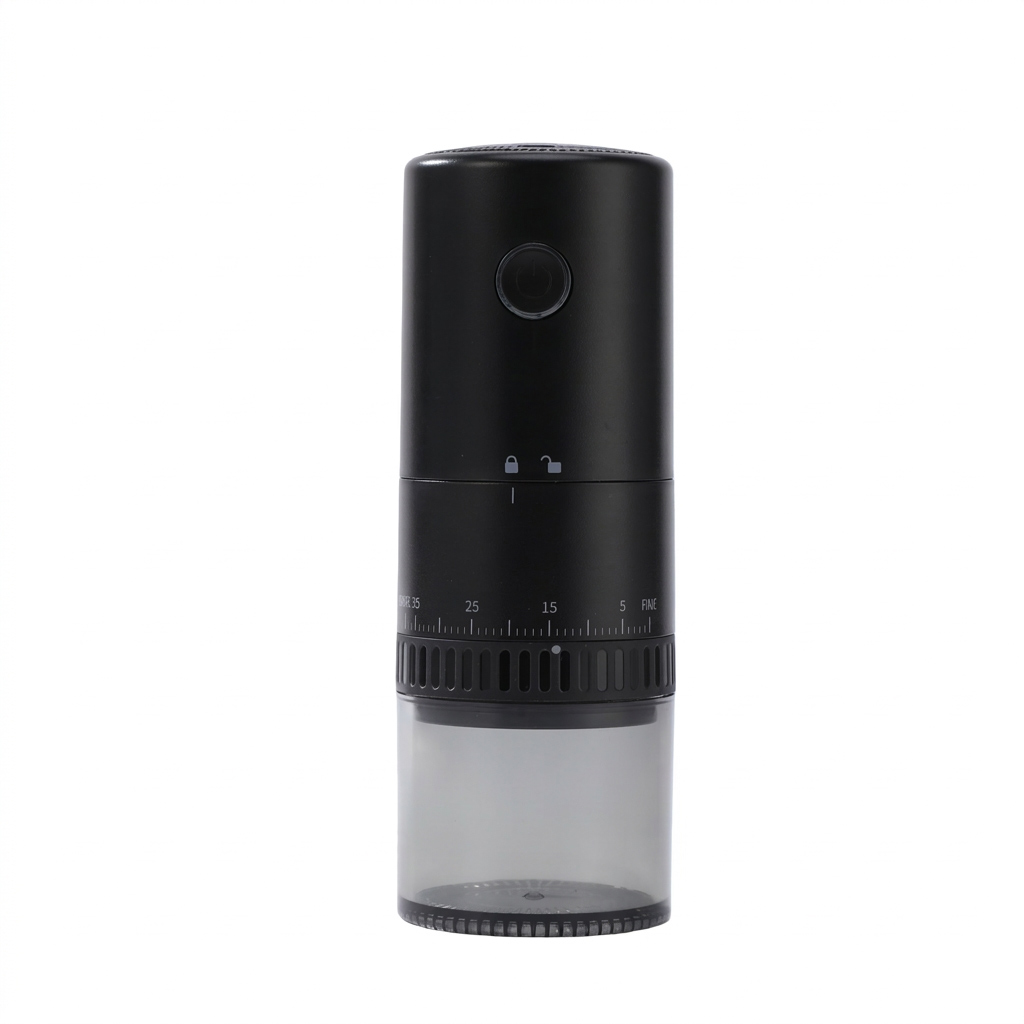
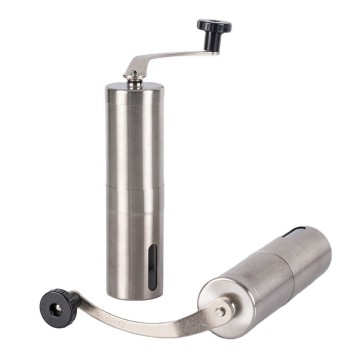
Coffee and pepper grinders
Coffee Equipment Certifications by Market: A Buyer's Guide
2026-10-09
Part of the Complete Coffee Equipment Sourcing Guide · by the Blossom Coffee Equipment Team

Coffee equipment compliance is not a universal checklist. The documents required for a manual coffee grinder are different from those for a rechargeable portable espresso maker, and the requirements for the United States are not identical to those for the European Union. Buyers who wait until production is finished to check compliance risk customs delays, marketplace restrictions, relabeling costs or an unusable shipment.
This guide helps brands and importers plan compliance for coffee grinders, portable coffee makers and milk frothers before approving a sample or placing a bulk order.
Need model-specific documents? Send Blossom the product link, destination country and sales channel. We will identify the available documents for that model and clarify what should be confirmed before ordering. Request a compliance document review.
Begin With the Exact Product Configuration
Compliance depends on the finished configuration, not the product category name alone. Before requesting documents, define:
- Manual, corded or battery-powered product
- Voltage, plug and charging method
- Materials that contact coffee, water or milk
- Battery type and capacity
- Accessories included in the retail box
- Destination country and selling channel
- Final model number, label and instruction manual
If the motor, battery, charger, food-contact component or model designation changes, confirm whether the existing report still applies.
Compliance Areas by Product Type
| Product | Main areas to verify |
|---|---|
| Manual coffee grinder | Food-contact materials, restricted substances where applicable, labeling and packaging |
| Electric coffee grinder | Electrical safety, EMC, food-contact parts, material compliance, plug/voltage and labeling |
| Rechargeable grinder | Electrical/EMC requirements plus lithium-battery transport documents |
| Portable coffee maker | Heating/electrical safety, pressure or hot-water risks, food-contact parts, battery transport and labeling |
| Milk frother | Electrical/EMC requirements, food-contact whisk/materials, battery transport for rechargeable models |
Common Document Categories
Electrical safety and electromagnetic compatibility
Corded and rechargeable products may require evidence related to electrical safety and electromagnetic compatibility. The applicable standard and conformity route depend on the product and market. Do not accept a certificate merely because it contains a familiar logo; confirm the model, standard and issuing body.
Food-contact materials
Any component touching coffee beans, grounds, brewed coffee, water or milk may need appropriate food-contact evidence. Confirm which exact materials and parts were tested. A general material statement should not be treated as model-specific proof without supporting documentation.
Restricted substances and environmental requirements
Electronic products and components may be subject to restrictions on hazardous substances or other environmental rules. Requirements vary by market and product configuration.
Lithium-battery transport
Rechargeable appliances require transport documentation and packaging practices appropriate to the battery and shipping method. Confirm this before booking freight, especially for air or express shipments.
Labels, warnings and manuals
Compliance is also visible on the product and packaging. Check model identification, voltage, importer information where required, warnings, disposal marks, language and instruction content before artwork approval.
Market-by-Market Planning
| Market | Planning questions |
|---|---|
| United States | Which electrical, EMC, food-contact, labeling and marketplace requirements apply to this model? |
| European Union | Which directives/regulations and harmonized standards apply, and is the technical documentation complete? |
| United Kingdom | Does the product, label and documentation follow the current UK market requirements? |
| Japan | Does the electrical configuration or importer route trigger product-specific local requirements? |
| Other markets | What national requirements, plug/voltage rules, language and importer obligations apply? |
This table is a sourcing framework, not legal advice. Confirm final requirements with the importer, testing provider or local compliance specialist for the destination market.
How to Validate a Certificate or Report
- Match the product: model number and product description should cover the selected configuration.
- Match the company: understand the relationship between applicant, manufacturer and seller.
- Check the standard: confirm it is relevant to the product and destination.
- Check dates and versions: outdated standards or expired documents may require review.
- Check completeness: summaries, certificates and full test reports serve different purposes.
- Verify changes: confirm whether customization affects the scope.
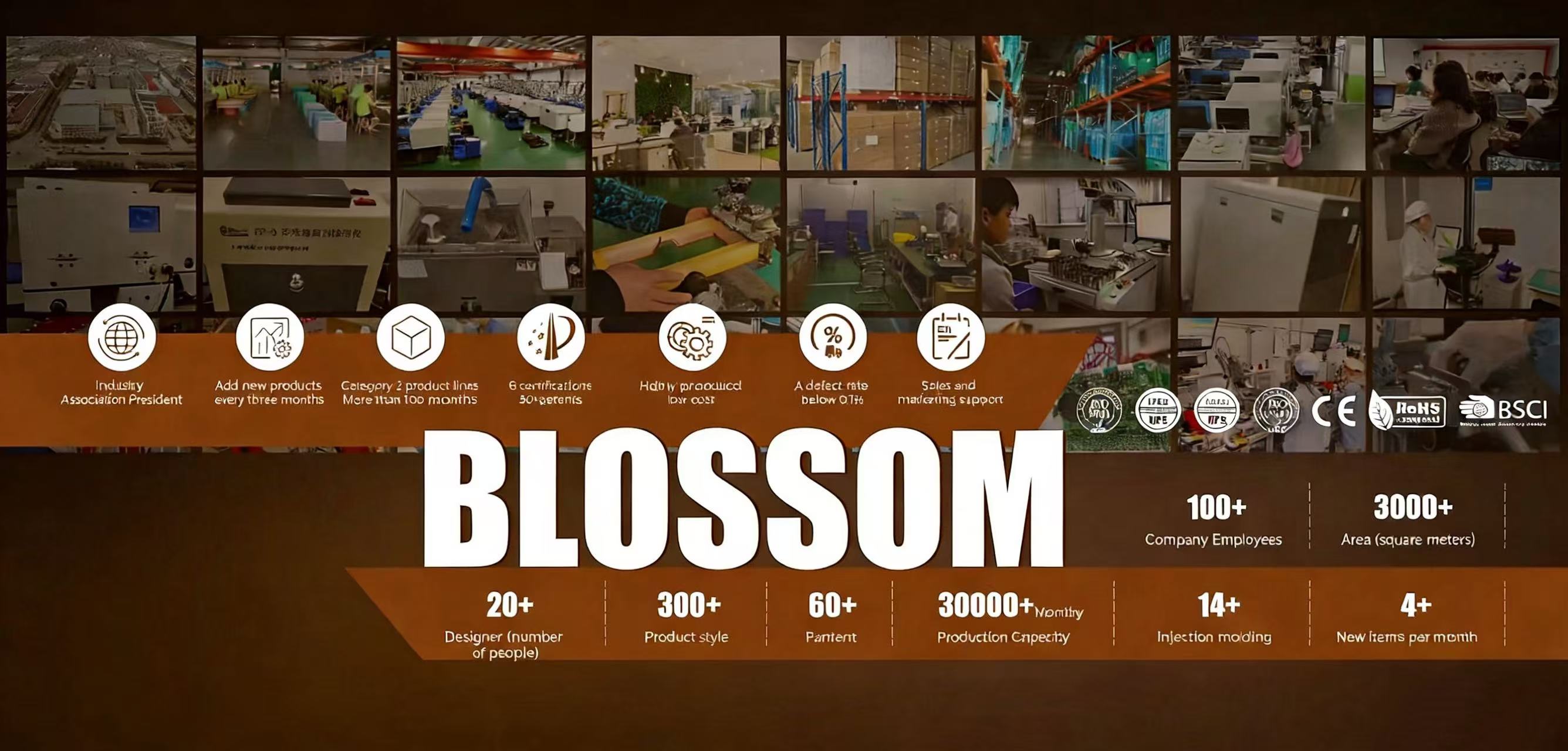
Blossom publishes a selection of documents on its certificate page and states that it holds eight international certifications. Buyers should request the exact documents associated with the chosen model.
Compliance Questions to Put in Your RFQ
- Which documents are available for this exact model?
- Which product name and model number appear on each document?
- Are battery transport documents available for the supplied battery?
- Which food-contact components and materials are covered?
- Will logo, color, plug, voltage or packaging changes require retesting?
- Can the supplier provide label and manual artwork requirements before production?
- Are additional tests needed for our destination or marketplace?
Supplier documentation should also be checked against production controls; use our coffee equipment factory audit checklist.
Build Compliance Into the Project Timeline
Use this sequence:
- Define destination and final configuration.
- Review available documents before sample approval.
- Identify testing or document gaps.
- Approve labels and manuals with compliance requirements included.
- Freeze the configuration before production.
- Check documents again before shipment.
Compliance should be a release gate, not a file-collection exercise at the end.
Reduce compliance uncertainty before ordering.
Send your destination market, selected coffee equipment model, quantity and sales channel. Blossom will share the available model-specific documents and help identify the questions to resolve before sample approval.
Request Documents & Product Options →
Email: fiona@zjblossom.cn · WhatsApp: +86 15268683708