

 +86 15268683708


Industry News




0102030405
Coffee and pepper grinders
B2B Supplier Checklist for Coffee and Kitchen Appliances
2026-09-23
What should retail buyers check before choosing a supplier?
A coffee appliance supplier for retail brands should be evaluated on more than catalogue size or a low unit price. International supermarket groups, appliance distributors, gift wholesalers and private-label e-commerce brands need a partner that can translate a product concept into a repeatable, compliant and merchandisable program.
Use this checklist before comparing quotations. You can begin with Blossom’s Products directory and narrow the range by product category, target customer and retail channel.
1. Product and assortment fit
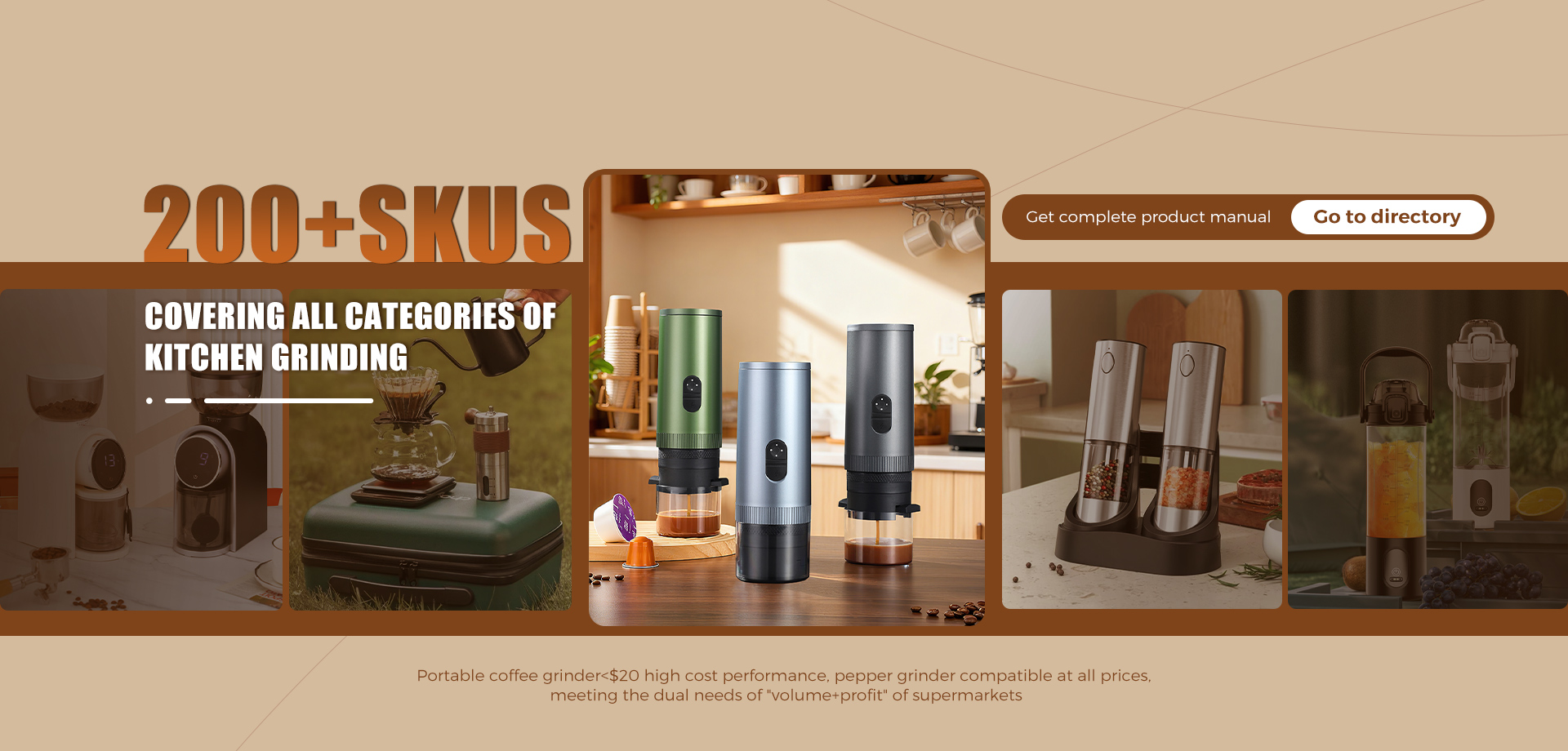
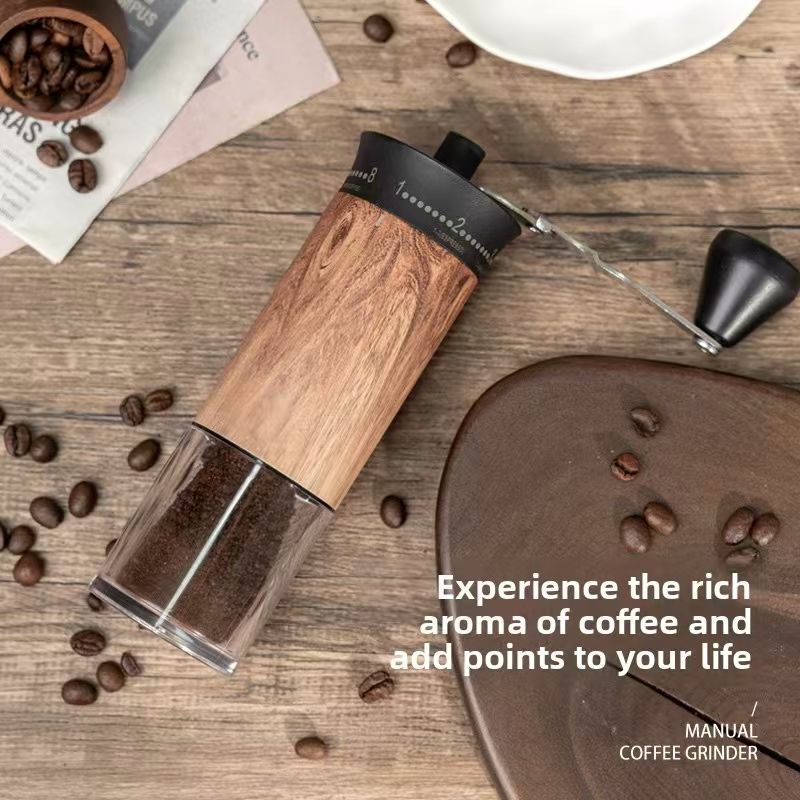
Check whether the supplier can offer a coherent range rather than unrelated products. For a coffee program, review electric grinders, manual grinders, coffee machines and milk frothers. For a kitchen and lifestyle program, add pepper grinders, portable blenders and oil sprayers.
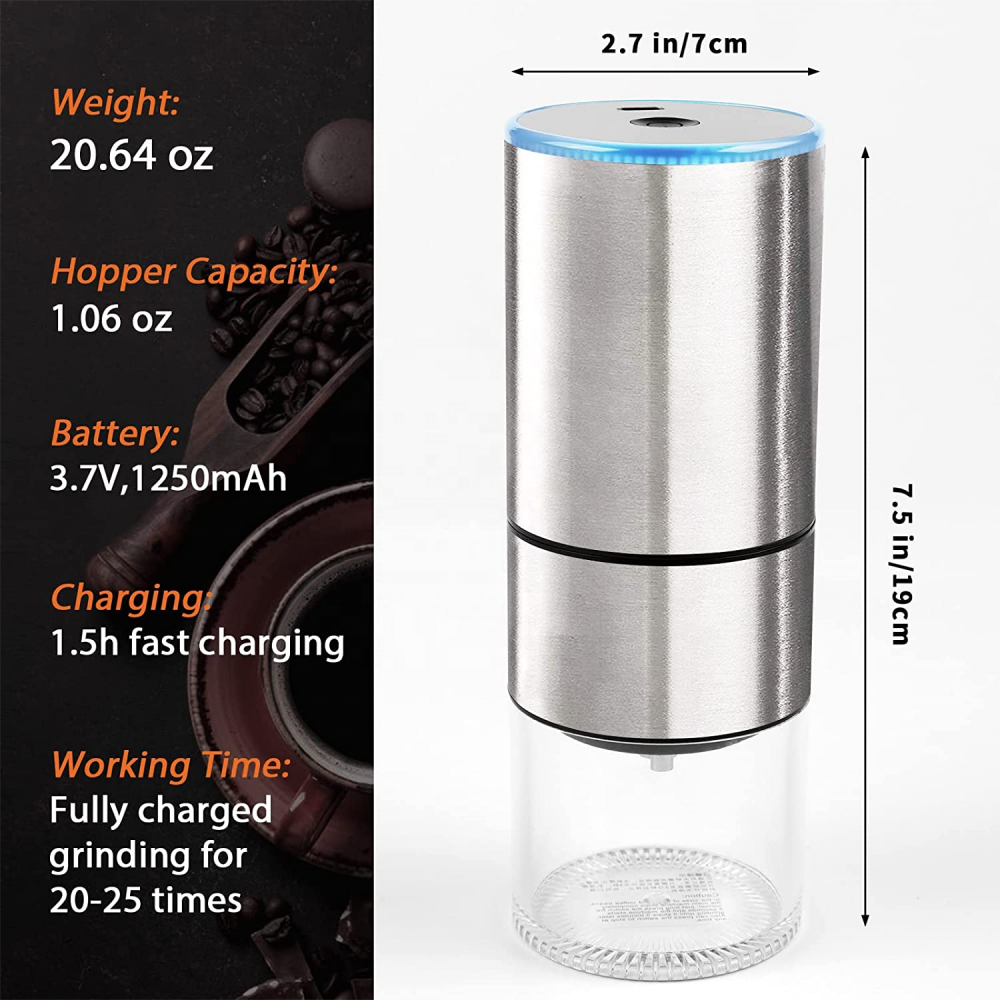
Each selected SKU should have a distinct role: entry, core, upgrade, gift or specialist. Ask for the product’s intended use, key specifications, available colors and packaging options. The electric grinder category and coffee machine category can be used to organize the initial product review. For a concrete electric model, review the coffee grinder with built-in scale.
2. Sample and product validation
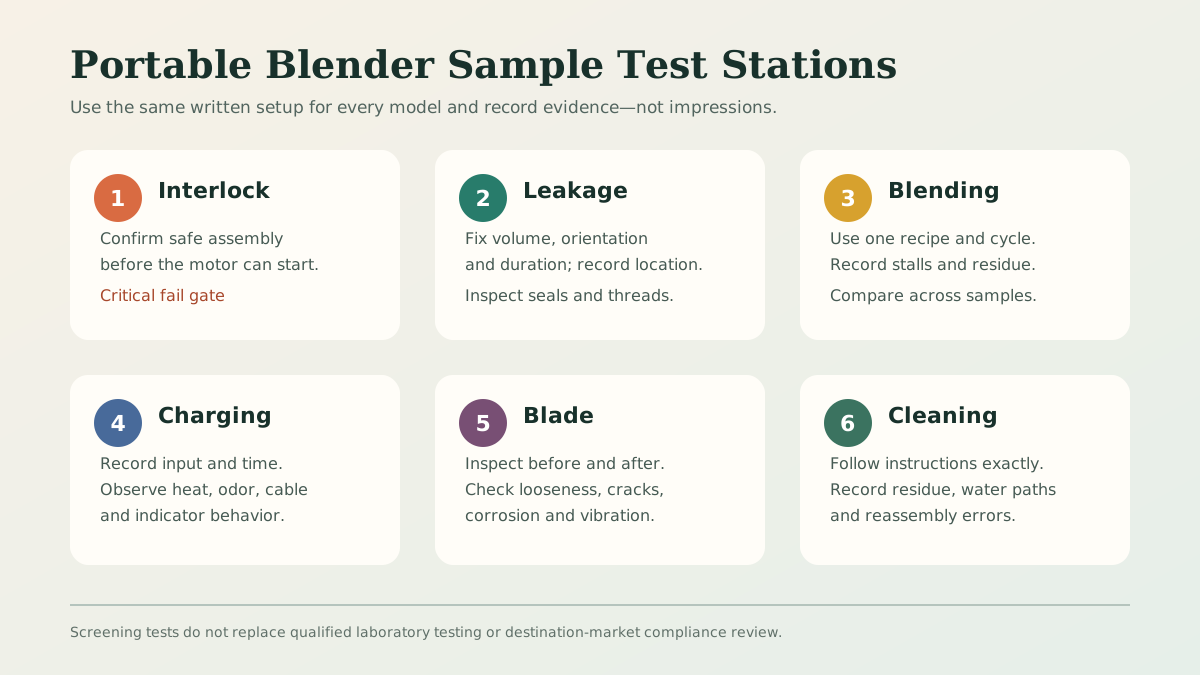
Do not approve a product from images alone. Request samples and document the review criteria before testing. Depending on the category, evaluate grind consistency, adjustment, noise, charging, battery performance, blending, sealing, cleaning, safety locks, ergonomics and packaging durability.
Record the exact model number for every sample. This prevents a quotation or certificate from being associated with a different variant later.
3. Compliance and market readiness
Ask for model-specific documentation for the destination market and electrical configuration. Confirm the product labeling, warning language, charging information, recycling requirements and any certification marks shown on the package.
Blossom’s published service information references CE, FCC and RoHS certifications, as well as customized support for different markets. Treat this as a starting point for document collection: confirm the applicable documents for the exact SKU, country and sales channel before launch.
4. Private-label and packaging capability
A private-label program should cover logo application, color, packaging structure, inserts, barcode, carton dimensions, lifestyle images and language versions. Ask whether the supplier can provide a packaging sample before mass production and how artwork changes affect cost and lead time.
For a retailer selling in multiple European countries, plan localization deliberately. One automatic translation should not replace a review of product names, safety instructions and market-specific consumer information.
5. Quality control and after-sales process
Clarify the inspection stages, defect handling, replacement policy, spare parts, warranty process and communication route. Blossom’s published website information describes raw-material, semi-finished, production and assembly-line inspection stages and states a controlled defect-rate target; ask for the inspection standard and acceptance criteria that apply to the specific order.
The same principle applies to delivery: request a written production timeline, shipping assumptions, packaging completion date and delay-handling terms rather than relying on a general catalogue statement.
6. Order planning and commercial communication
A strong RFQ includes:
- Target countries and retail channel.
- Product model and required quantity.
- Logo, color and packaging requirements.
- Desired sample and launch dates.
- Required compliance documents.
- Carton, pallet and shipping information.
- Expected reorder or replenishment plan.
For a shortlist covering coffee grinders, pepper mills, portable blenders or beverage accessories, send the brief through the Contact Us page.
7. Use content to support the buying decision
A supplier’s educational content should help buyers evaluate products, not only repeat generic factory language. Link procurement readers to the future [[ARTICLE LINK: How Retail Buyers Choose Private Label Coffee Grinders]], [[ARTICLE LINK: Electric Pepper Grinders: A Retail Buyer’s Guide]] and [[ARTICLE LINK: Private Label Portable Blenders for Retail and E-Commerce]]. These articles can also link back to this checklist, creating a useful content path from product discovery to RFQ.
Final decision rule
Choose the supplier that can provide the best combination of product fit, verifiable documentation, sample quality, packaging execution, quality control and communication. Unit price matters, but it should be evaluated together with return risk, compliance risk, inventory complexity and replenishment reliability.