
 +86 15268683708



Industry News
0102030405
Coffee and pepper grinders
The Complete Guide to Coffee Equipment Sourcing (2026)
2026-10-06
Written by the Blossom Coffee Equipment Team · Manufacturing coffee grinders, portable coffee makers and milk frothers since 2014
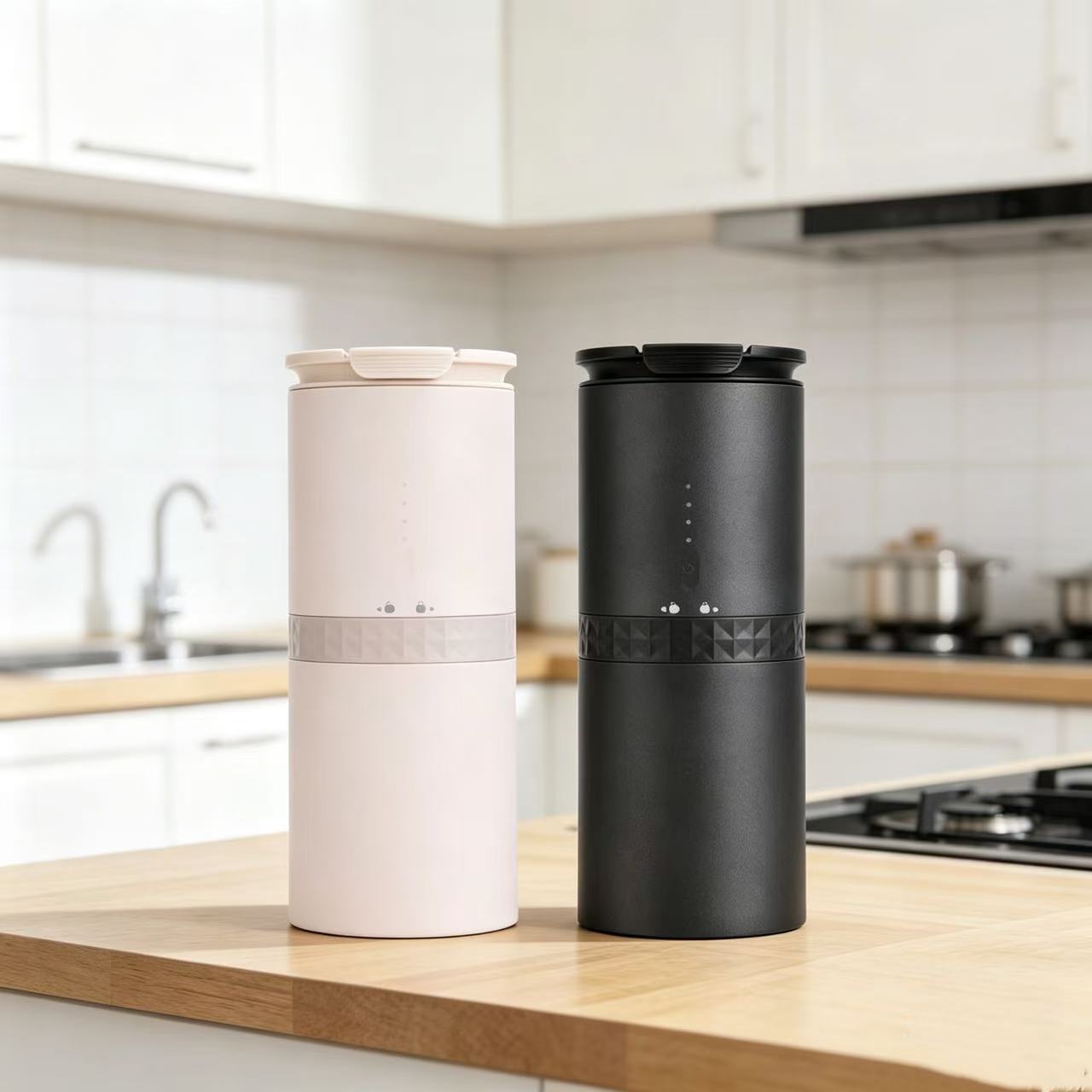
Sourcing coffee equipment is not simply a matter of comparing unit prices. A profitable product line depends on five connected decisions: choosing the right category, translating customer needs into specifications, verifying the manufacturer, confirming compliance, and controlling the path from sample approval to mass production. If any one of these steps is weak, the result can be slow launches, inconsistent quality, customs delays or low-margin products that are difficult to differentiate.
This complete guide is designed for coffee brands, retailers, distributors, corporate-gift companies and e-commerce sellers planning to source coffee grinders, portable coffee makers or milk frothers. It shows what to decide before requesting a quote, what to verify before placing an order and how to build a supplier relationship that supports repeat business. For assortment planning, see how to build a profitable coffee equipment product line.
Planning a coffee equipment project now? Send Blossom your target market, product category, expected quantity, target launch date and customization requirements. Our team can recommend suitable product directions before you spend time comparing unsuitable quotations. Request a sourcing consultation.
1. Start With the Buyer, Not the Product Catalog
A common sourcing mistake is to open a supplier catalog and choose whichever model looks most attractive. The better process begins with the customer and sales channel.
Define the sales channel
- Amazon and marketplace sellers need compact packaging, clear differentiation, complete compliance documents and predictable replenishment.
- Retail chains and distributors need a coherent price ladder, retail-ready packaging, stable quality and reliable repeat orders.
- Coffee brands often need products that extend an existing ritual, such as pairing a grinder with a portable brewer or milk frother.
- Corporate-gift buyers prioritize logo visibility, presentation, delivery deadlines and gift-set compatibility.
- Cafes and hospitality suppliers care about durability, cleaning, repeated use and replacement availability.
Define the user scenario
“Coffee lover” is too broad to be useful. A commuter making espresso in a car, a home brewer dialing in pour-over coffee and a gift buyer choosing a premium-looking set need different products. Write down the use case before discussing specifications:
- Where will the product be used?
- How frequently will it be used?
- Is portability more important than speed?
- Does the user value precision, convenience or presentation most?
- What problem should the product solve better than alternatives?
2. Choose the Right Coffee Equipment Category
| Category | Best-fit buyers | Key sourcing questions |
|---|---|---|
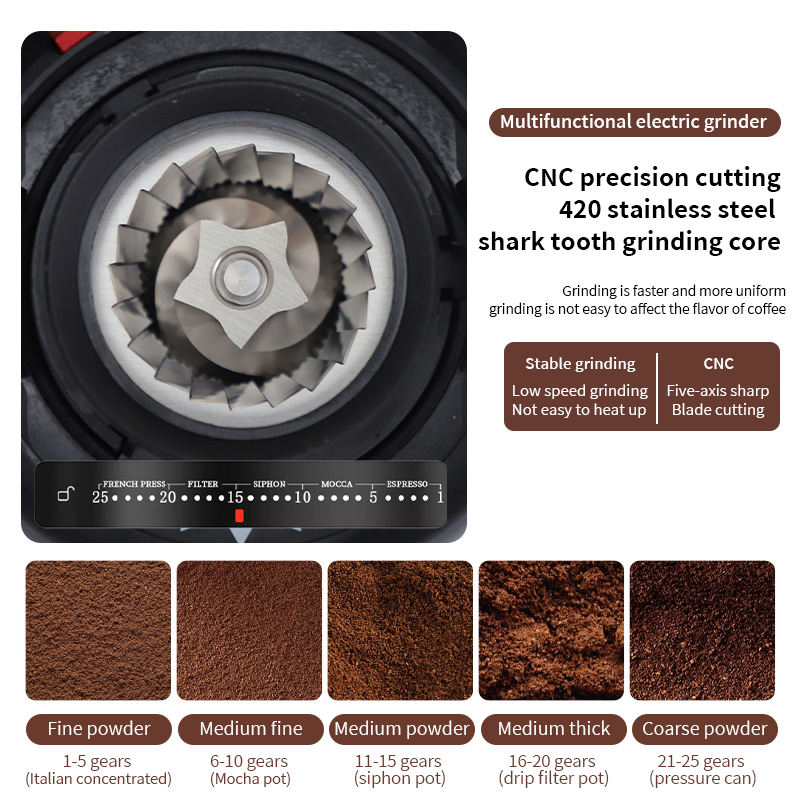
| Electric coffee grinders | Home coffee brands, retailers, e-commerce sellers | Burr type, adjustment system, retention, noise, motor consistency and cleaning |
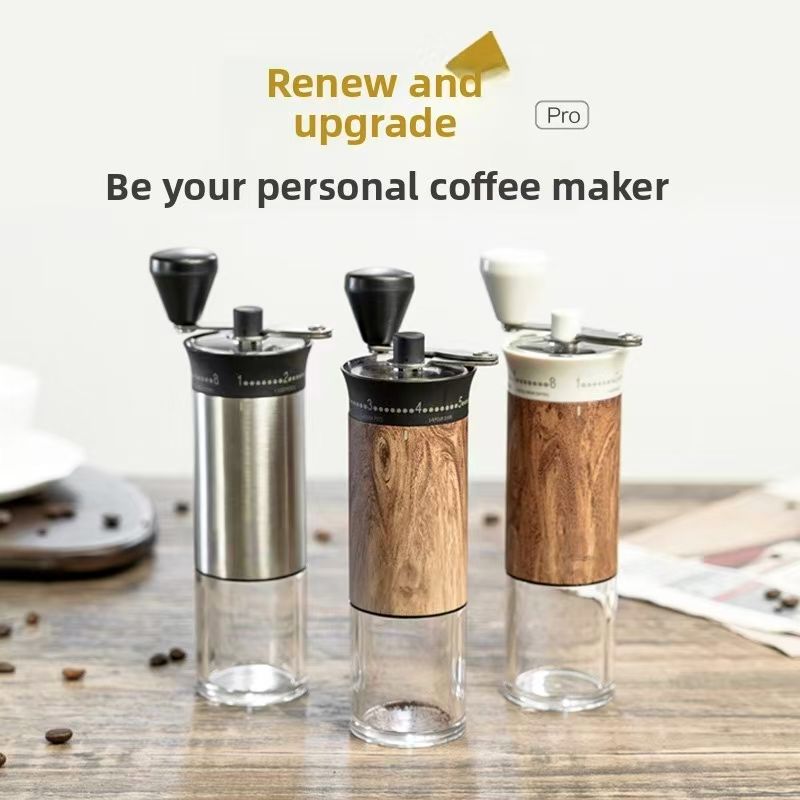
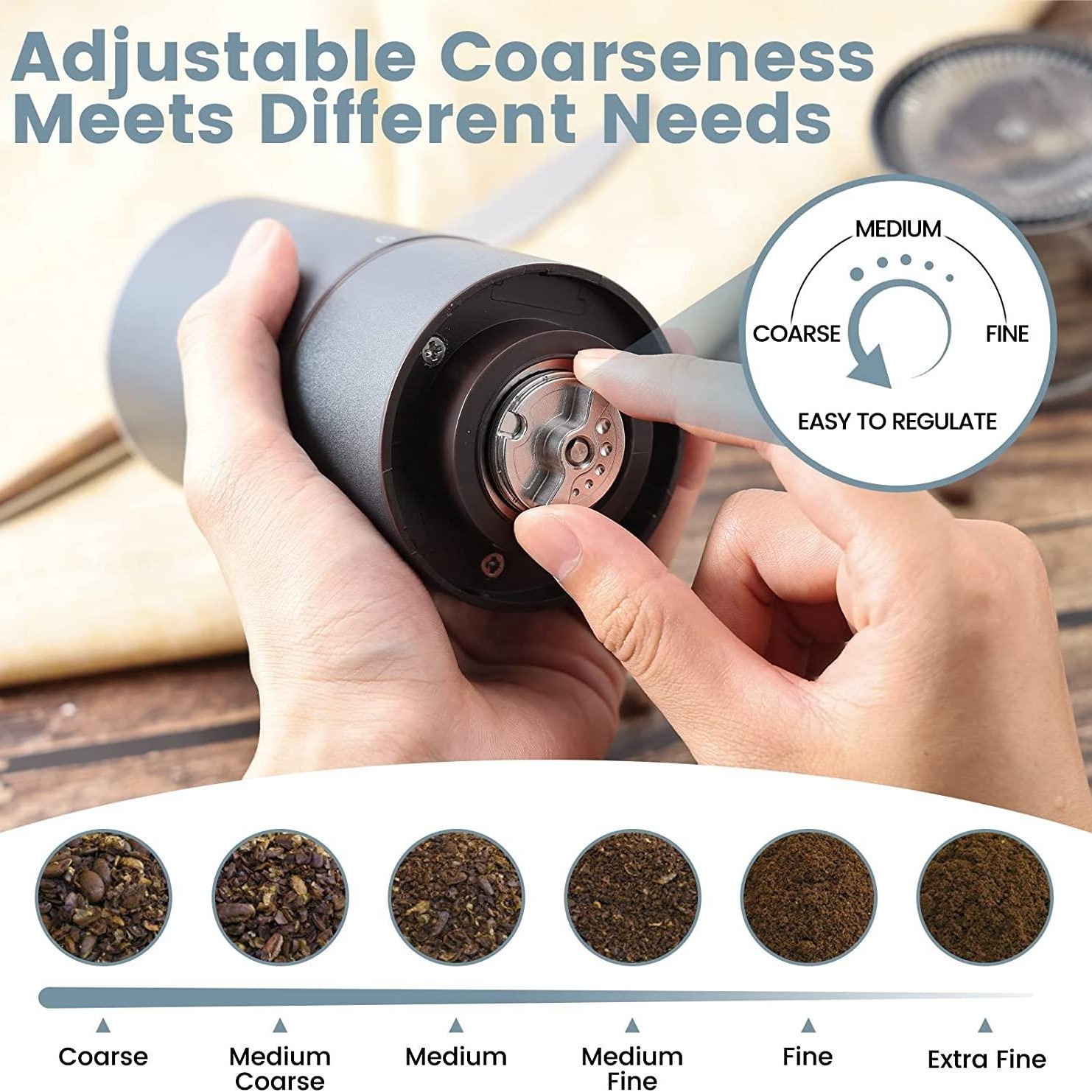
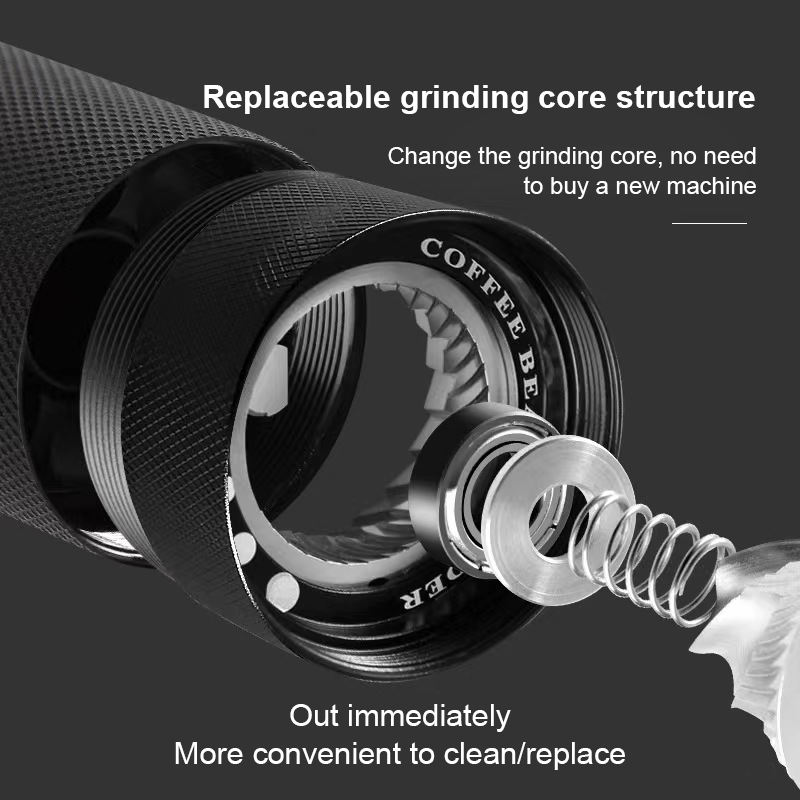
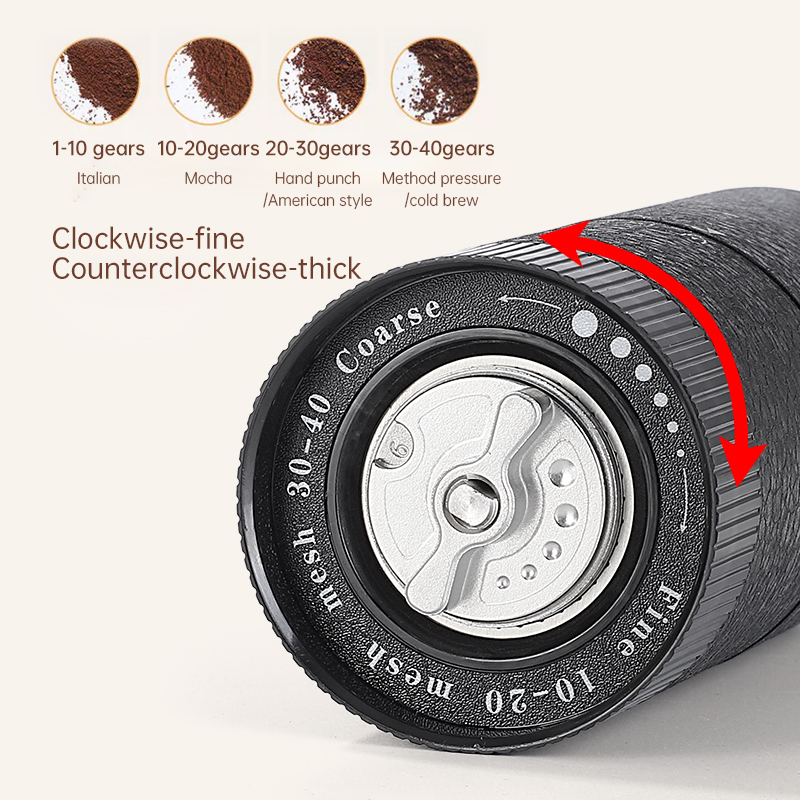
| Manual coffee grinders | Specialty coffee, travel, gifts, outdoor retail | Burr material, adjustment steps, axle stability, body material and portability |
| Portable coffee makers | Travel, camping, commuting and office markets | Brewing format, heating method, battery transport, capsule/ground compatibility and cleaning |
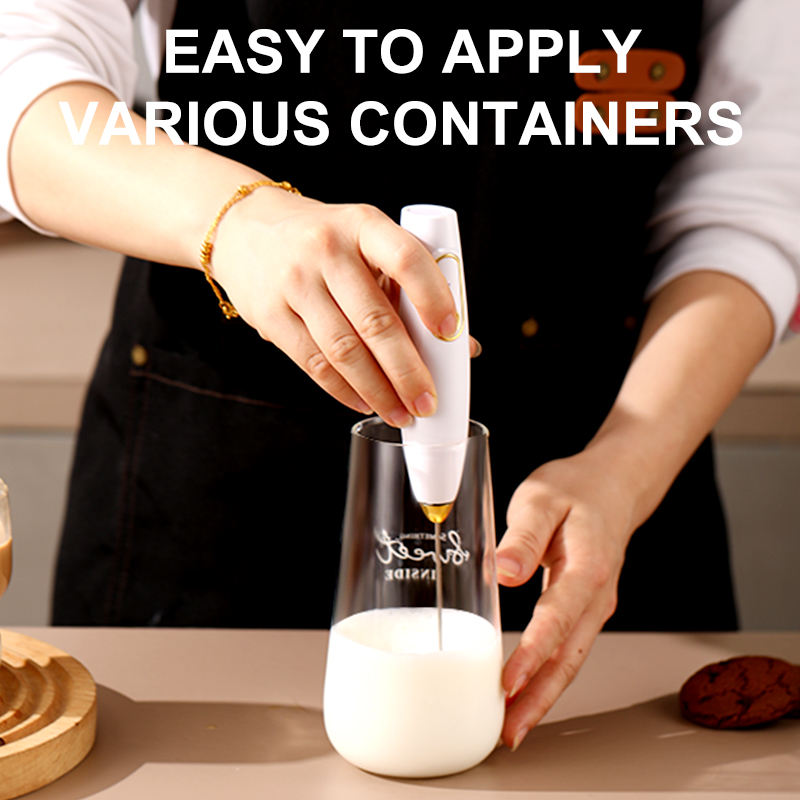
| Milk frothers | Home baristas, coffee bundles, gifting and accessory lines | Whisk type, speed settings, charging, food-contact materials and ease of cleaning |
| Coffee sets | Gift programs, premium retailers and brand launches | Product compatibility, packaging dimensions, presentation and combined quality control |
Blossom supplies electric coffee grinders, manual coffee grinders, portable coffee makers, milk frothers and coffee sets. This makes it possible to plan a coordinated coffee line instead of sourcing unrelated products from multiple suppliers.
3. Build a Product Specification That Suppliers Can Quote Correctly
A vague inquiry produces vague quotations. Instead of asking for “your best coffee grinder,” prepare a short request-for-quotation document that explains:
- Target market and sales channel
- Product category and intended use
- Required performance and materials
- Target retail positioning or cost range
- Estimated first order and annual volume
- Logo, color, packaging and manual requirements
- Required certificates and testing
- Destination and preferred trade term
- Target sample and launch dates
Do not copy a competitor’s specification blindly. Use it as a benchmark, then decide which performance points actually matter to your customer.
4. Verify the Manufacturer Before Comparing Prices
The lowest quotation is not necessarily the lowest landed risk. Before approving a supplier, verify whether the company can control the parts, processes and documentation that matter to your product.
Factory checks that affect your order
- Does the supplier manufacture the product or only trade it?
- Which core components are produced or controlled in-house?
- How are incoming materials, assembly, performance and final packing inspected?
- Can the supplier show production equipment, test equipment and traceable quality records?
- Can certificates be matched to the relevant product model?
- How are defects, delays and warranty issues handled contractually?
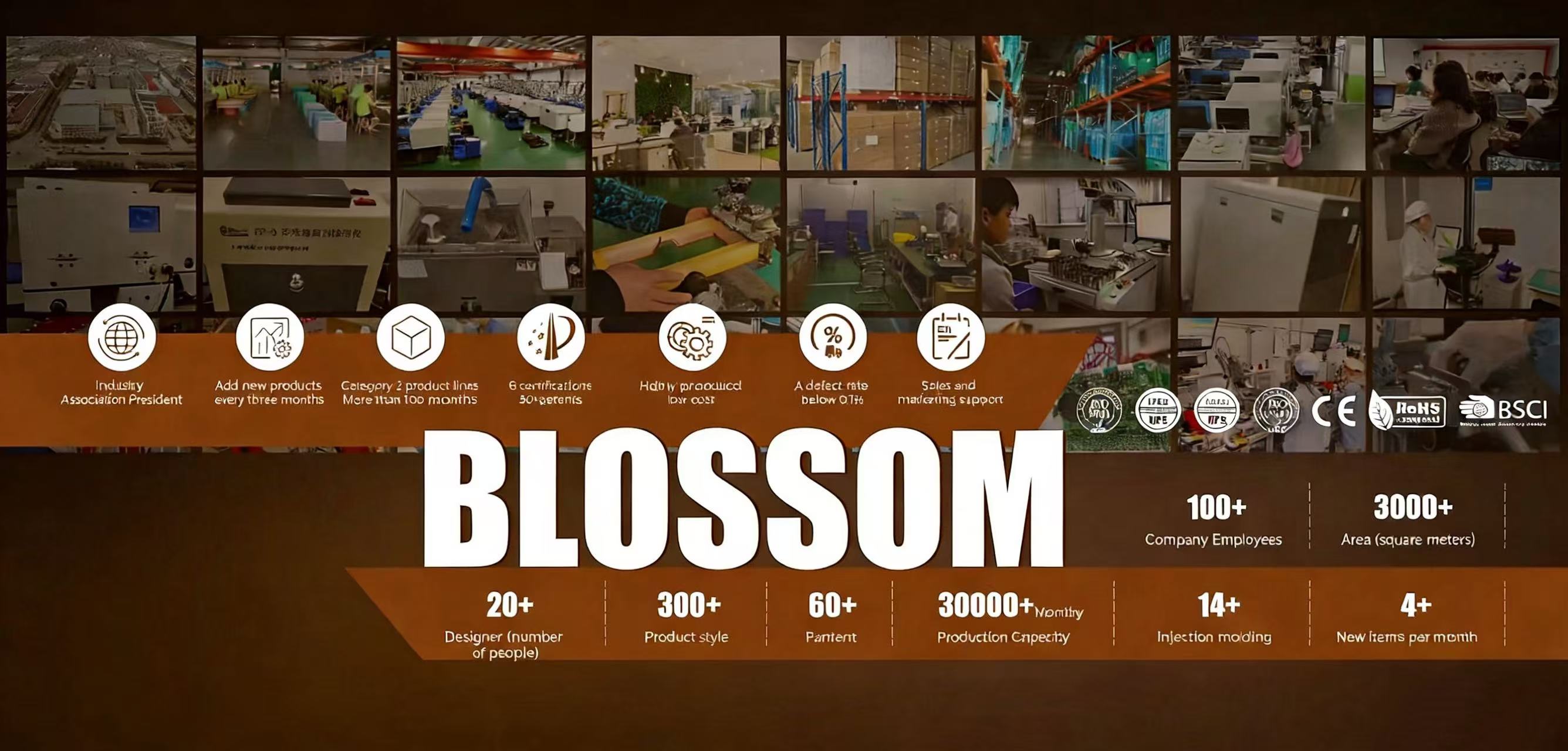
Blossom's factory profile states that approximately 80% of core components are produced in-house, supported by a four-level quality inspection process. The company also displays production, R&D and laboratory facilities. Use our coffee equipment factory audit checklist to structure your review.

5. Match Compliance to the Product and Destination
Compliance should be confirmed before sample approval, not after production. Requirements vary by product type and destination. A rechargeable portable appliance may involve electrical, electromagnetic compatibility, hazardous-substance, food-contact and battery-transport documentation. A manual grinder may have fewer electrical requirements but still needs safe food-contact materials.
| Area | What buyers should verify |
|---|---|
| Electrical and EMC | Applicable documents for the target market and exact model |
| Food-contact materials | Material declarations or reports relevant to components touching coffee, water or milk |
| Restricted substances | Market-appropriate compliance for electronic products and materials |
| Lithium batteries | Transport documents and shipping requirements for rechargeable models |
| Labeling and manual | Required warnings, importer details, language and product identification |
Blossom lists more than 30 patents and eight international certifications on its company profile. Buyers should still request the specific documents relevant to the selected model and destination. See our market-by-market coffee equipment compliance guide and certificate page.
6. Evaluate Samples Like a Future Customer
A sample is not only for visual approval. It is the reference for mass production and should be evaluated under realistic use conditions.
Sample evaluation framework
- Performance: Does the product solve the stated use case consistently?
- Usability: Are controls, charging, cleaning and assembly intuitive?
- Build quality: Check fit, finish, noise, vibration, stability and moving parts.
- Packaging: Can it survive shipping and still create the expected unboxing experience?
- Documentation: Are instructions clear enough to prevent misuse and returns?
- Commercial fit: Does the final product support the planned retail price and margin?
Record results using photos, measurements and a written approval list. The approved sample, specification sheet, packaging artwork and inspection criteria should all be referenced in the purchase agreement.
7. Calculate Landed Cost, Not Just Unit Price
A quotation becomes commercially useful only after it is converted into landed cost. Include:
- Product unit price
- Logo, color and packaging cost
- Tooling or setup charges
- Testing and certification expenses
- Inspection cost
- Freight, insurance and duties
- Marketplace preparation or labeling
- Allowance for defects, warranty and returns
A slightly higher product cost may create a better margin if it reduces returns, improves review quality or ships more efficiently.
8. Plan OEM/ODM Customization in Stages
Customization does not need to begin with expensive new tooling. A staged approach reduces risk:
- Stage 1 — Validate: existing product, neutral packaging or low-volume test.
- Stage 2 — Brand: logo, color, instruction manual and retail packaging.
- Stage 3 — Differentiate: accessory changes, function adjustments or bundle design.
- Stage 4 — Develop: structural redesign, new tooling and exclusive product architecture.
This approach lets buyers invest in differentiation as demand becomes clearer. Blossom offers logo and packaging customization and supports OEM/ODM development. Final minimum quantities depend on the chosen model and customization depth, so request a project-specific quotation rather than relying on a general number.
9. Control the Timeline From RFQ to Shipment
A realistic timeline should include requirements confirmation, quotation, sample preparation, sample testing, artwork approval, pre-production confirmation, mass production, inspection and shipping. The fastest project is not the one that skips these stages; it is the one that resolves decisions early and assigns clear approval owners.
10. Design the Inquiry to Get a Useful Response
If you want a supplier to recommend the right model instead of sending a generic catalog, include these six details in your first message:
- What product category you need
- Your destination market
- Your sales channel and target customer
- Expected trial order and annual demand
- Logo, packaging or functional customization
- Your desired launch date
Ready to build or expand your coffee equipment line?
Send your brief to Blossom. We will help you narrow the product direction, identify documentation needs and prepare a model-specific quotation.
Request Product Recommendations & Quote →
Email: fiona@zjblossom.cn · WhatsApp: +86 15268683708
Frequently Asked Questions
Can one supplier provide grinders, coffee makers and milk frothers?
Yes, but verify that the supplier has real category experience and model-specific documentation. Consolidating compatible categories can simplify packaging, quality coordination and shipping.
Should a new coffee brand begin with a custom mold?
Usually not. Many brands reduce risk by validating demand with an existing platform and branded packaging before investing in structural tooling.
What should I send to receive an accurate quotation?
Send the target market, product category, required features, quantity, customization, destination and timeline. A structured RFQ makes supplier quotations easier to compare.
How do I confirm whether a certificate is usable?
Request the document, confirm the product model and applicant/manufacturer information, and verify that its scope matches the destination market and product configuration.
What is the next step after sample approval?
Freeze the specification, approved sample, packaging files, inspection standard, order terms and production schedule before mass production begins.