
 +86 15268683708



Industry News


0102030405
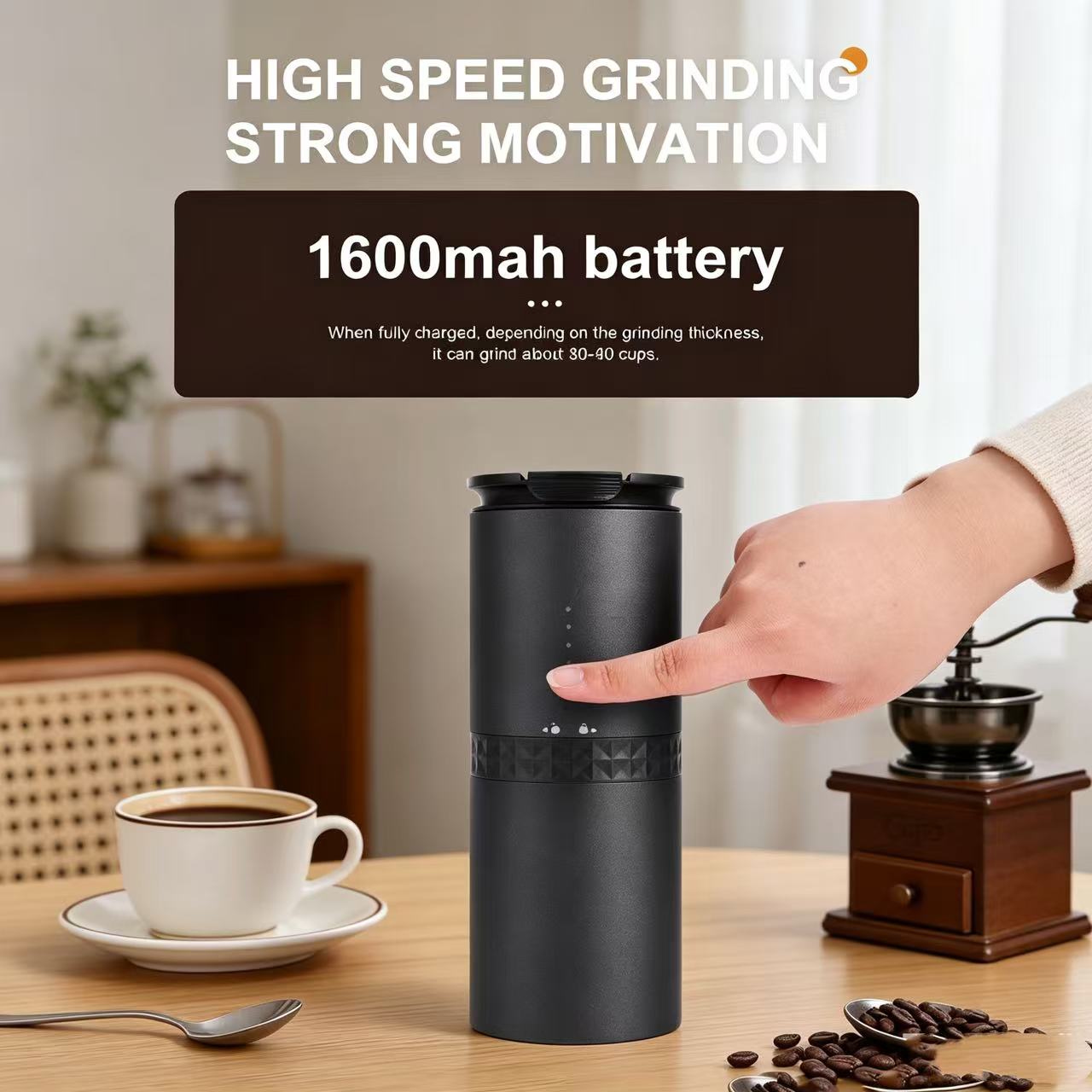
Coffee and pepper grinders
Core of Profit for DTC Private Labels: Cost-Effective Procurement Supply Chain for Coffee Machines
2026-01-13
1. Profit Bottlenecks of DTC Private Label Coffee Machines: Why Supply Chain is the Key to Breaking Through?
DTC private labels in Europe and the US often face a dilemma when it comes to coffee machines: either choose international renowned OEMs with high procurement costs, or opt for small-scale factories that offer lower costs but poor quality control.
Essentially, the core of the profit bottleneck lies in "insufficient supply chain matching". Traditional supply chains have three major issues: price markups in intermediate links, batch rigidity, and standard disconnection.
Blossom’s cost-effective supply chain tailored for the European and US markets is not about "finding cheap products", but eliminating profit loss points through a combination of "direct supply + compliance + quality control".
2. Core 1 of Cost-Effective Supply Chain: Cost Control – Cutting 30% Procurement Premium from the Source
For DTC private labels in Europe and the US, the key to controlling procurement costs is to "cut intermediate links + achieve large-scale cost reduction" rather than sacrificing quality. Blossom’s cost control logic can be summarized as "two direct approaches and one standardization":
(1) Direct Cooperation with Factories to Eliminate Trader Premiums
The traditional procurement chain is "raw material supplier → OEM → trader → DTC brand", with each link adding an 8%-12% markup. Eventually, the procurement cost is 30% higher than direct factory supply. As a direct supply factory with over 3,000 square meters of owned workshops and more than 300 employees, Blossom cooperates directly with DTC brands, with a markup of only 5% in intermediate links.
Case Study: European supermarket chain Aldi once purchased coffee machines with TYPE-C charging ports through traders at a unit cost of $85. After switching to direct supply cooperation with Blossom, Blossom directly responded to its customization needs, reducing the unit cost to $72 and saving over $150,000 in annual procurement costs.
(2) Direct Lock-in of Raw Materials for Large-Scale Cost Reduction
Through "annual long-term orders + bulk procurement", Blossom has signed exclusive agreements with suppliers of core raw materials such as food-grade ABS materials and ceramic conical burrs, with procurement prices 12%-15% lower than industry spot orders.
(3) Standardized Production Processes to Reduce Hidden Costs
Blossom’s highly automated production lines have reduced the assembly time of coffee machines from the industry average of 2.5 hours to 1.2 hours, lowering labor costs by 25%. Meanwhile, through a 4-level full-process quality control system, it avoids hidden costs caused by rework and returns.
3. Core 2 of Cost-Effective Supply Chain: High-Quality Supplier Selection – 3 Key Access Dimensions for European and US Markets
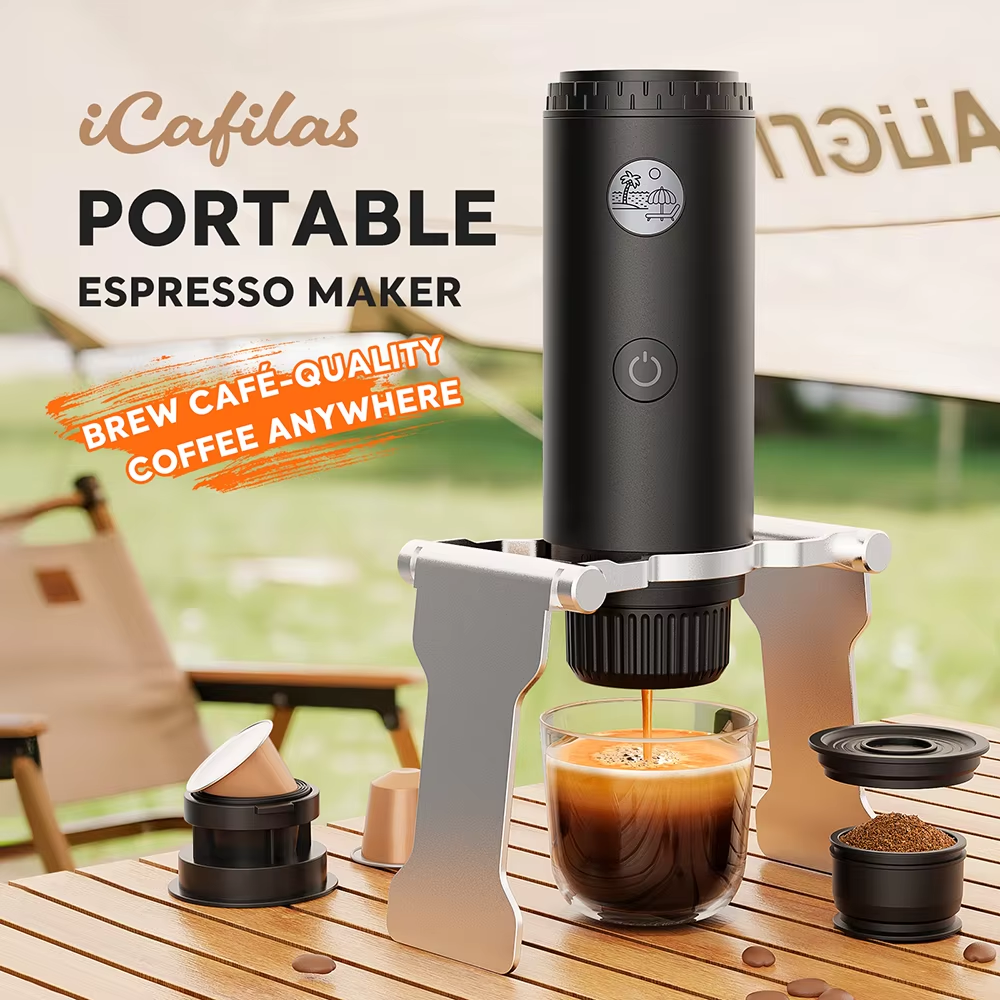
For DTC private labels in Europe and the US, "cost-effectiveness" is not about "low prices", but a balance of "compliance + stability + differentiation". When selecting coffee machine suppliers, three key dimensions need to be prioritized – these are also the core reasons why Blossom serves clients such as Aldi and Amazon Private Brands:
(1) Certification Compliance: The "Entry Ticket" to European and US Markets
European and US markets have strict compliance requirements for home appliances. Products lacking certifications cannot only fail to be listed but may also face fines. Blossom holds 8 international certifications, covering major markets such as the EU, US, and the Middle East.
(2) Technological Strength: Ensuring Differentiated Product Competitiveness
To stand out in the homogeneous market, DTC private labels require suppliers to possess core technologies. Blossom holds over 30 patents, enabling it to provide differentiated functions for DTC brands.
(3) Production Capacity Stability: Meeting the Demands of E-Commerce Peak Seasons
European and US e-commerce platforms have peak seasons such as Black Friday and Christmas. A supplier’s production capacity response capability directly affects sales volume. Blossom’s monthly production capacity reaches over 30,000 units, and it supports 7-day express delivery to warehouses in the US and Europe.
4. Core 3 of Cost-Effective Supply Chain: Technological Iteration for Cost Reduction – Adapting Commercial-Grade Functions for Household Use
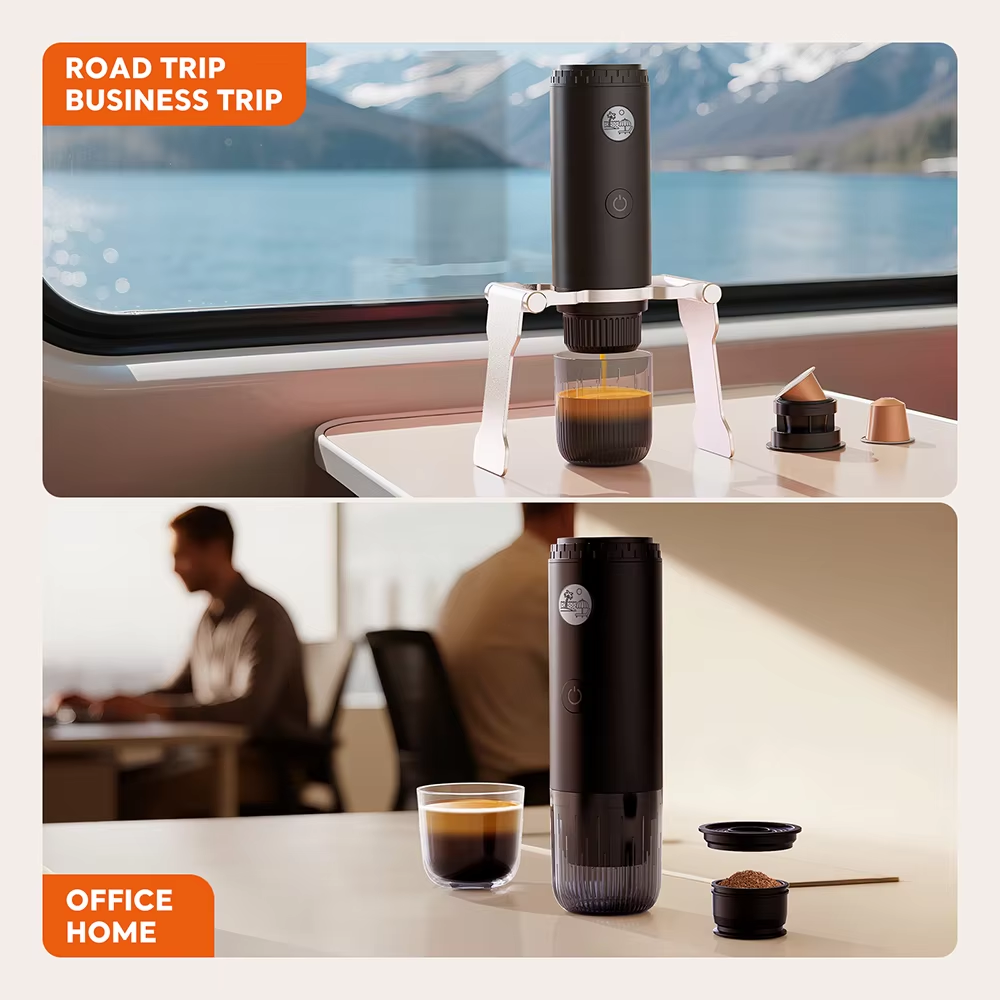
Many DTC private labels believe that "commercial-grade functions = high costs", but through "technological simplification + localized R&D", Blossom has adapted core functions of commercial coffee machines to household models, achieving a balance of "low cost + high quality".
(1) Independent R&D of Core Components: Reducing Costs by 40% Compared to Imports
The rotary pump technology for commercial coffee machines has long been monopolized by Italian brands, with an imported rotary pump costing $35 per unit. Blossom has independently developed a small-sized commercial-grade rotary pump, reducing costs while achieving pressure build-up within 1 second, with extraction stability comparable to imported pumps.
(2) Function Simplification: Focusing on Core Needs to Reduce Redundant Costs
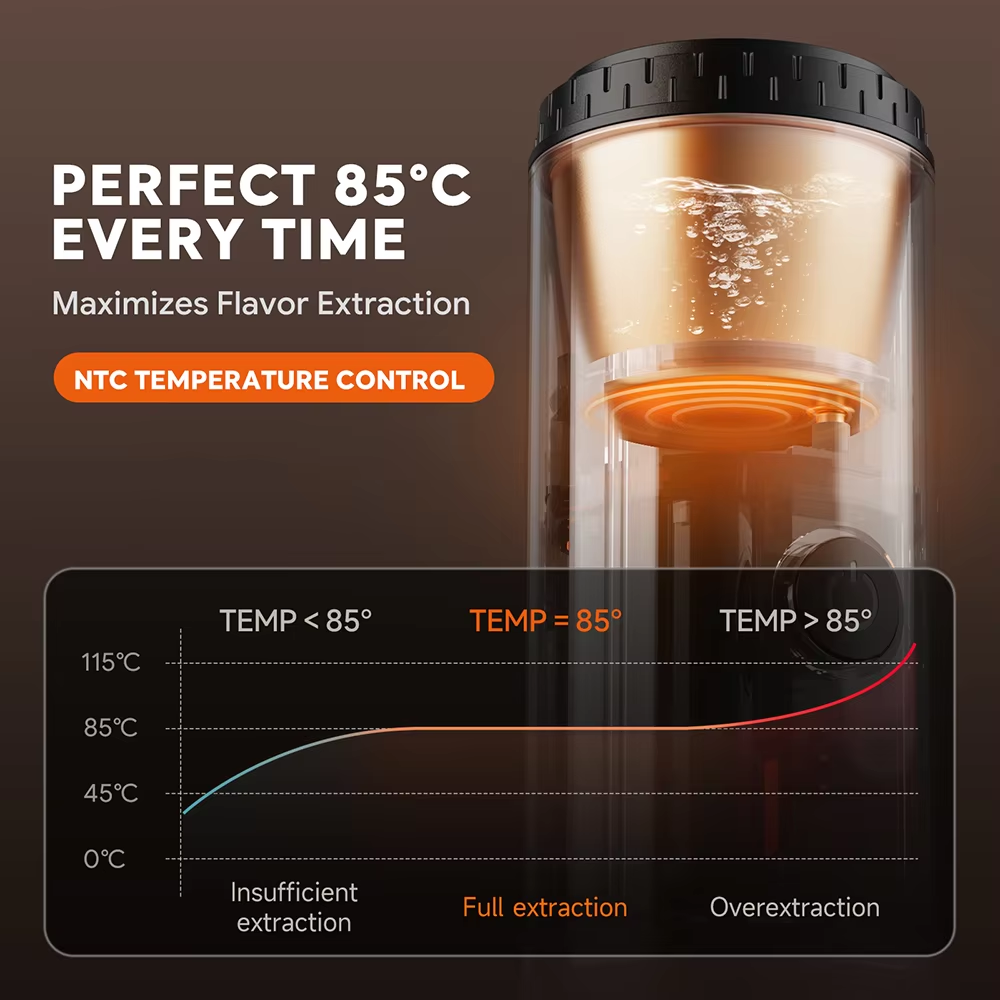
Commercial coffee machines have complex functions, not all of which are needed for household use. Blossom simplified the "dual boiler" design of commercial machines to an "independent extraction boiler", retaining the core function of "PID intelligent temperature control", reducing costs by 25% while still ensuring coffee flavor.
5. Core 4 of Cost-Effective Supply Chain: Flexible Production – Adapting to Small-Batch Customization Needs of DTC Brands
DTC private labels in Europe and the US often face situations of "small trial sales demand + rapid replenishment after becoming bestsellers". The rigid requirement of "MOQ ≥ 2,000 units" from traditional factories easily leads to inventory backlogs or missed market opportunities. Blossom’s flexible production capacity perfectly addresses this pain point:
(1) Low MOQ Support: Reducing Trial Sales Risks
Blossom supports small-batch customization with a minimum order quantity of 500 units. DTC brands can first conduct trial sales of 500-1,000 units, adjusting order quantities based on market feedback to avoid large-scale inventory backlogs.
(2) Customization Services: Meeting Differentiated Brand Needs
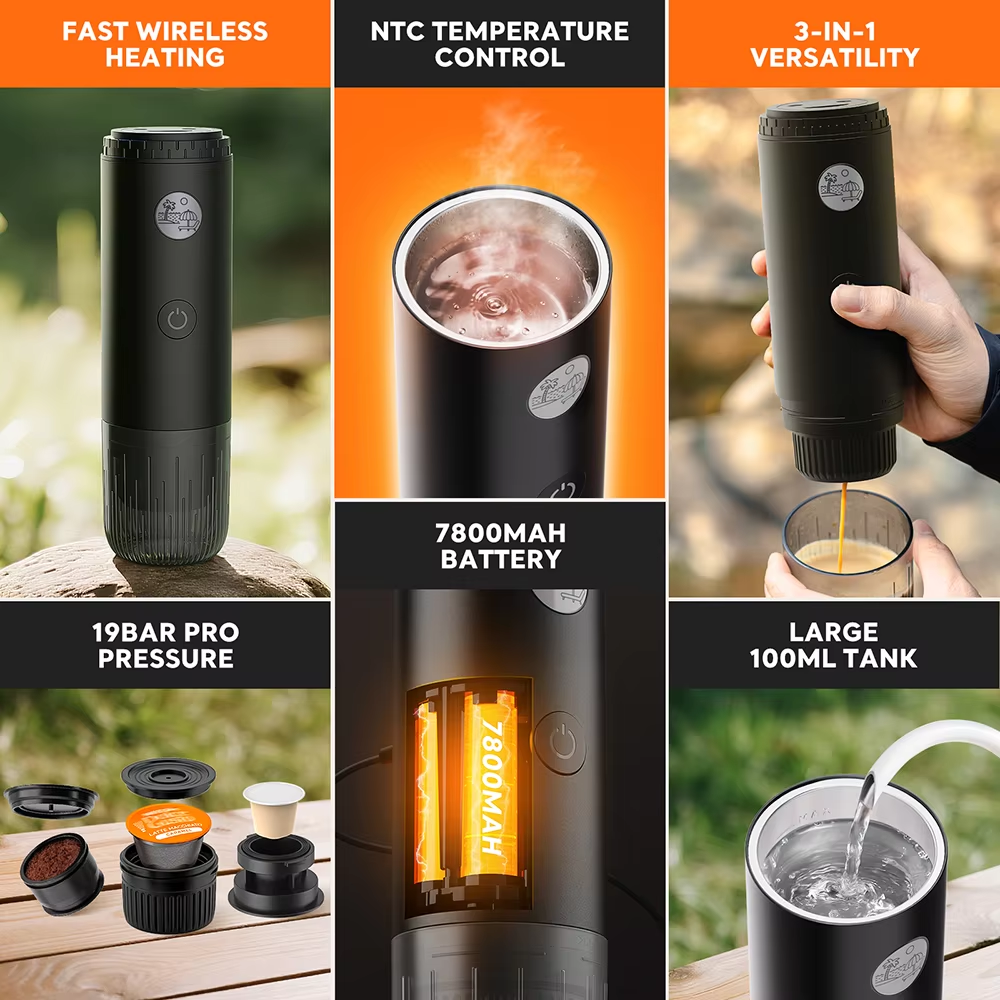
DTC private labels need "exclusive identifiers" to enhance brand recognition. Blossom supports full customization of "logo + packaging + functions".
(3) FBA Labeling Service: Shortening the Fulfillment Chain
Blossom provides FBA labeling services for cross-border e-commerce brands. After production, products are directly labeled and delivered to Amazon warehouses, eliminating the "warehousing - labeling - transshipment" links for DTC brands and reducing fulfillment costs by 10%.
6. Closed-Loop of Cost-Effective Supply Chain: Quality Control + Localized Services to Ensure Long-Term Profit Stability
A cost-effective supply chain is not a "one-time deal" but a "long-term stable cooperation" – quality control ensures product reputation, and localized services reduce after-sales costs, together forming a profit guarantee closed-loop.
(1) 4-Level Quality Control System: Controlling Defect Rate Below 0.1%
Blossom has established a 4-level quality control system: "raw material inspection → semi-finished product inspection → production process inspection → assembly line inspection". Each coffee machine undergoes more than 20 tests before leaving the factory.
(2) Localized Services: Addressing the Pain Point of "Difficult After-Sales"
European and US consumers have high requirements for after-sales response. A supplier’s localized service capability directly affects brand reputation. Blossom provides a 1-year global warranty, with an after-sales response time of ≤24 hours.
(3) Late Delivery Compensation: Safeguarding E-Commerce Sales Plans
Blossom promises a "5% payment discount for 1 week of delayed delivery", reducing sales losses for DTC brands caused by stockouts.
Conclusion: A Cost-Effective Supply Chain is the "Profit Moat" for DTC Private Labels
In the European and US coffee machine market, competition among DTC private labels has evolved from "marketing competition" to "supply chain competition". Blossom’s practical cases prove that a cost-effective supply chain is not about "finding cheap suppliers", but through a combination of "direct supply for cost reduction + compliance guarantee + flexible production + quality control and after-sales service", reducing procurement costs by 25%-30% while improving product competitiveness and customer satisfaction.
For DTC private labels in Europe and the US, choosing a supplier like Blossom that possesses "certifications + patents + production capacity + services" not only achieves short-term profit growth but also builds a long-term stable supply chain. After all, in an increasingly rational market, "cost-effective products" are the strongest competitiveness.
If you are looking for a cost-effective procurement supply chain for DTC private label coffee machines, welcome to visit Blossom’s official website to view more customization cases for European and US clients, or contact us to obtain a customized procurement plan.
Coffee Machine Procurement Supply Chain#DTC Private Label Coffee Maker Supplier#EU/US Compliant Coffee Machine Sourcing#Cost-Effective Coffee Maker Supplier#Flexible Coffee Machine Manufacturing Plant#Low MOQ Coffee Machine Customization
Website:https://www.zjblossom.com/
Email:fiona@zjblossom.cn
Whatsapp:+86 15268683708