

 +86 15268683708



News
0102030405
Coffee and pepper grinders
Downgrade or Upgrade? The New Procurement Logic of Small Home Appliances for European and American Middle-Class Families
2026-04-07
Downgrade or Upgrade? The New Procurement Logic of Small Home Appliances for European and American Middle-Class Families
Table of Contents
- The Changing Consumption Context of the European and American Small Home Appliance Market
- Analysis of Core Procurement Motivations for Small Home Appliances among European and American Middle Class
- upgrade-downgrade-en">Integration of Consumption Upgrade and Downgrade: New Procurement Characteristics
- Procurement Preference Trends of Core Small Home Appliance Categories
- Sourcing Logic for Buyers to Adapt to Middle-Class Demand
- Double Procurement Considerations of Sustainability and Practicality
- Frequently Asked Questions
- Conclusion
Under the dual influence of post-pandemic economic fluctuations and lifestyle changes, the consumption decisions of European and American middle-class families are undergoing profound changes. As a core category of home life, small home appliances have become an important window to observe consumption trends. The discussion about "consumption downgrade" and "consumption upgrade" in the market has never stopped: on the one hand, the middle class's price sensitivity is increasing; on the other hand, there are higher requirements for product functions, quality and experience. This seemingly contradictory phenomenon has actually given birth to a new procurement logic of "rational upgrade and precise downgrade" for small home appliances, and also brought brand-new sourcing and layout challenges to global small home appliance buyers, supermarkets and distributors.
European and American middle-class families no longer simply pursue "low price" or "high end", but take "value matching" as the core and make differentiated consumption choices in different small home appliance categories: for frequently used categories such as coffee grinders and portable juicers, they are willing to pay a premium for quality and functions; for low-frequency used auxiliary small home appliances, they tend to choose cost-effective basic models. This change in procurement logic has not only reshaped the product structure of the small home appliance market, but also requires the supply chain to accurately match the diversified needs of the market.
The Changing Consumption Context of the European and American Small Home Appliance Market
The consumption context of small home appliances for European and American middle-class families is in a stage of superposition of the return of economic rationality and the pursuit of quality of life. According to the research data of the European and American retail market, from 2024 to 2026, the overall consumption budget of European and American middle-class families in the small home appliance category tends to be stable, but the concentration of budget allocation has increased significantly - more than 60% of families invest 80% of their small home appliance budget in less than 5 frequently used products, which is 35% higher than that before the pandemic.
Economically, inflation pressure and slow income growth have made the consumption decisions of the middle class more cautious, and avoiding unnecessary high-end consumption has become a common consensus; in terms of lifestyle, the trends of remote work, light home meals and health preservation have continued to deepen, upgrading small home appliances from "home accessories" to "life necessities", and families have significantly higher requirements for their functional practicality, ease of use and scenario adaptability.
At the same time, the transparency of consumption information makes it easier for European and American middle-class families to compare the cost performance of products. They no longer pay for brand premiums blindly, but pay more attention to the core functions, durability and after-sales service of products. This change in context has directly led to the intensification of the "Matthew effect" in the small home appliance market: products with both quality and cost performance continue to sell well, while products that only pursue high end or low price are gradually eliminated by the market.
Analysis of Core Procurement Motivations for Small Home Appliances among European and American Middle Class
The procurement motivation of European and American middle-class families for small home appliances has upgraded from the traditional "functional satisfaction" to "scenario-based value satisfaction", focusing on the three core dimensions of frequency of use, life needs and cost-effectiveness. The different motivations form a mutually restrictive relationship, ultimately pointing to the core goal of "rational consumption".
Core Motivation 1: Demand for Quality Upgrade in High-Frequency Scenarios
For daily-used high-frequency small home appliances such as coffee grinders, portable juicers and milk frothers, the procurement motivation of the European and American middle class is mainly "upgrade". Such products are directly related to the happiness of home life, and the middle class is willing to pay a premium for precise functions, high-quality materials and humanized design. For example, the ceramic conical grinding disc and multi-gear precise grinding function of coffee grinders, and the high battery life and leak-proof design of portable juicers are all key factors driving them to pay a premium - research shows that more than 70% of European and American middle class are willing to pay an additional 20%-30% for the "cold grinding to lock fragrance" function of coffee grinders.
Core Motivation 2: Demand for Cost Control in Low-Frequency Scenarios
For low-frequency used small home appliances such as food supplement machines and special grinders, the procurement motivation tends to be "downgrade", focusing on meeting basic functions, affordable prices and compact size. The use scenarios of such products are limited, and the middle class does not need to pay for redundant functions. Market research shows that the mainstream procurement budget for such products has decreased by 15%-20% compared with that before the pandemic, and "cost performance" has become the primary purchasing criterion.
Core Motivation 3: Driven by the Rigid Life Needs of Health and Convenience
In the post-pandemic era, health and convenience have become the core keywords of European and American middle-class life, and also directly drive the procurement decisions of small home appliances. The "fresh squeeze and drink immediately" of portable juicers, "homemade coffee without additives" of coffee grinders, and "support for light home meals" of milk frothers all fit the middle class's pursuit of a healthy diet and convenient life. Data shows that in 2026, the sales of small home appliances featuring "health functions" in the European and American markets increased by 40% year-on-year, becoming the core driving force of market growth.
Core Motivation 4: Dual Considerations of Space Utilization and Home Aesthetics
European and American middle-class families are mainly composed of apartments and small-sized residences, so compact size, easy storage and simple design have become important considerations for the procurement of small home appliances. At the same time, the appearance design of small home appliances needs to match the home style, and simple Nordic and industrial styles are more popular. This motivation has driven the market demand for "portable and mini" small home appliances, and also requires products to achieve a balance between function and volume.
Integration of Consumption Upgrade and Downgrade: New Procurement Characteristics
The procurement of small home appliances by European and American middle-class families has long been out of the dual opposition of "pure upgrade" or "pure downgrade", but has formed the integrated characteristics of "category differentiation, precise function and value matching". This characteristic is defined as "precise trade-off under rational consumption", which is also the core procurement logic of the current market.
Characteristic 1: Upgrade and Downgrade of Category Differentiation
According to the frequency of use and the degree of rigid demand, European and American middle class divide small home appliances into "core categories" and "auxiliary categories", and adopt differentiated consumption strategies:
- Core categories (coffee grinders, portable juicers, milk frothers, portable grinders): Consumption upgrade, pursuing all-round improvement of quality, function and experience;
- Auxiliary categories (special baking small home appliances, single-function grinders): Consumption downgrade, only meeting basic functions and strictly controlling procurement costs.
Characteristic 2: "Precise Upgrade of Functions, Downgrade of Redundancy"
Whether upgrading or downgrading, the European and American middle class have put forward high requirements for the functional precision of small home appliances: in upgraded categories, reject the redundant functions of "big and comprehensive", and only pay for the "optimization of rigid demand functions"; in downgraded categories, require "no shortcomings in basic functions" and abandon all unnecessary additional functions. For example, the core needs of portable juicers are "high speed, leak-proof and easy to clean", and redundant functions such as temperature control and timing will not become purchasing plus points.
Characteristic 3: "Value Matching, Rejecting Premiums" in Price
The middle class's price sensitivity is essentially the attention to the "matching degree of value and price": for core categories, they recognize that "quality determines price", but reject brand premiums and packaging premiums; for auxiliary categories, take "bottom price and meeting basic functions" as the core, pursuing the ultimate cost performance. This price logic requires small home appliance suppliers to achieve a double balance of "cost optimization" and "quality assurance".
Characteristic 4: "Long-Termism in Consumption, Focus on Durability"
Whether upgrading or downgrading, durability has become an important standard for European and American middle class to purchase small home appliances. After the pandemic, "long-termism consumption" has become the mainstream. The middle class is more willing to buy products with "slightly higher price but long service life" rather than "low-price and easy-to-damage" products. Research shows that more than 85% of European and American middle class will first check the material, warranty policy and "durability feedback" in user reviews when purchasing small home appliances.
Procurement Preference Trends of Core Small Home Appliance Categories
Under the new procurement logic of small home appliances for European and American middle-class families, the procurement preferences of core categories such as coffee grinders, portable juicers, milk frothers and portable grinders show clear trends. These trends directly point to the core needs of the middle class and also provide a clear direction for buyers' sourcing.
Coffee Grinder: Precise Grinding + Cold Grinding to Lock Fragrance + Portability
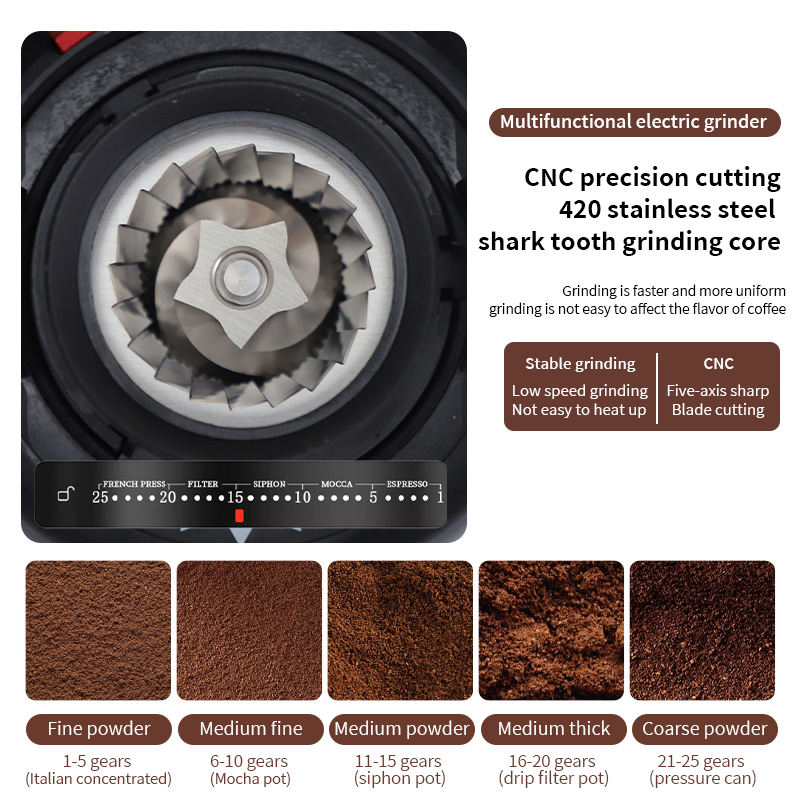
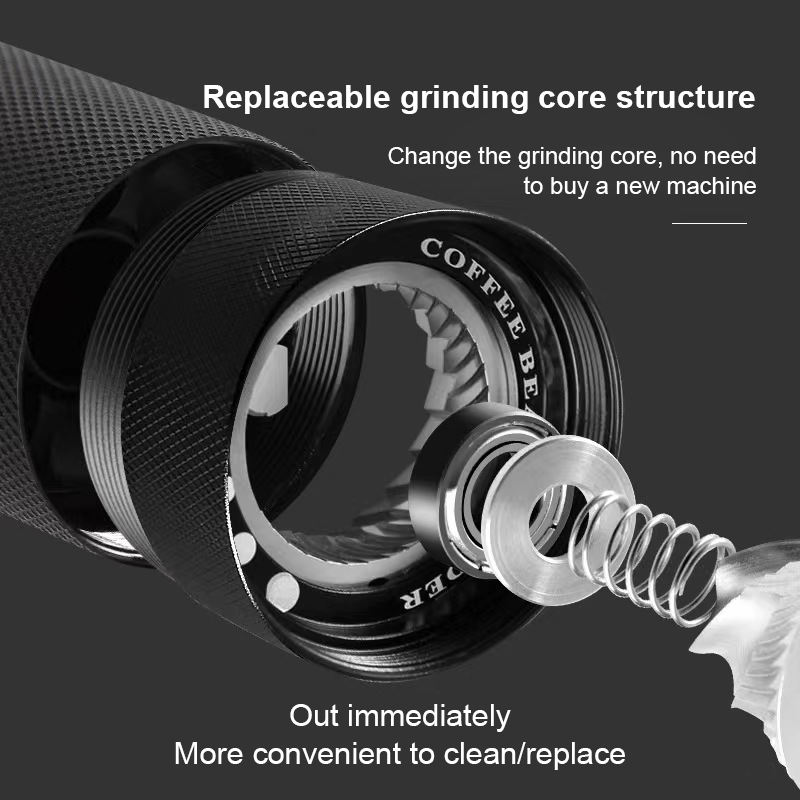
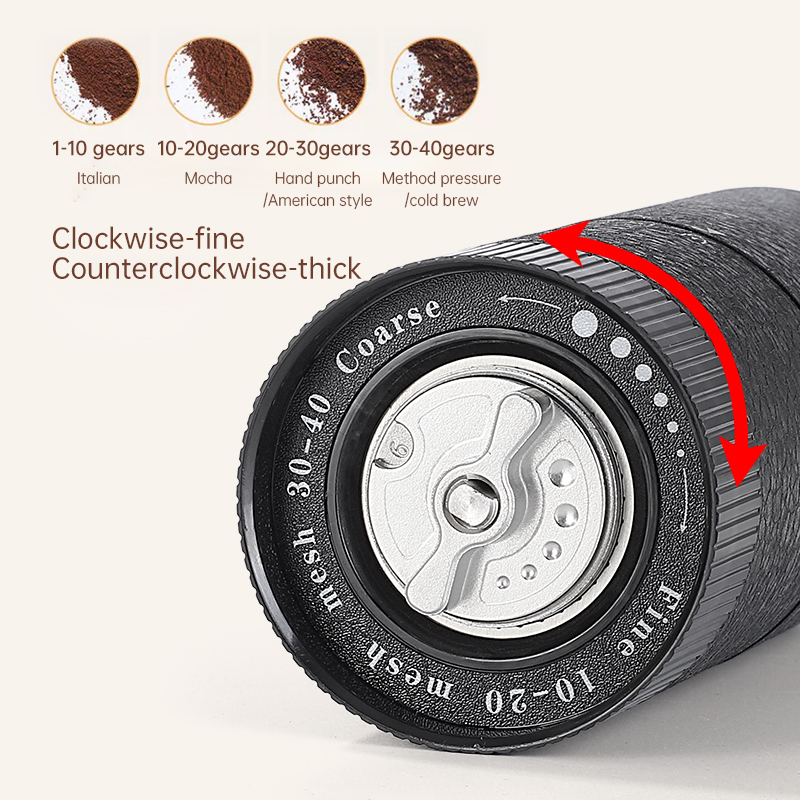
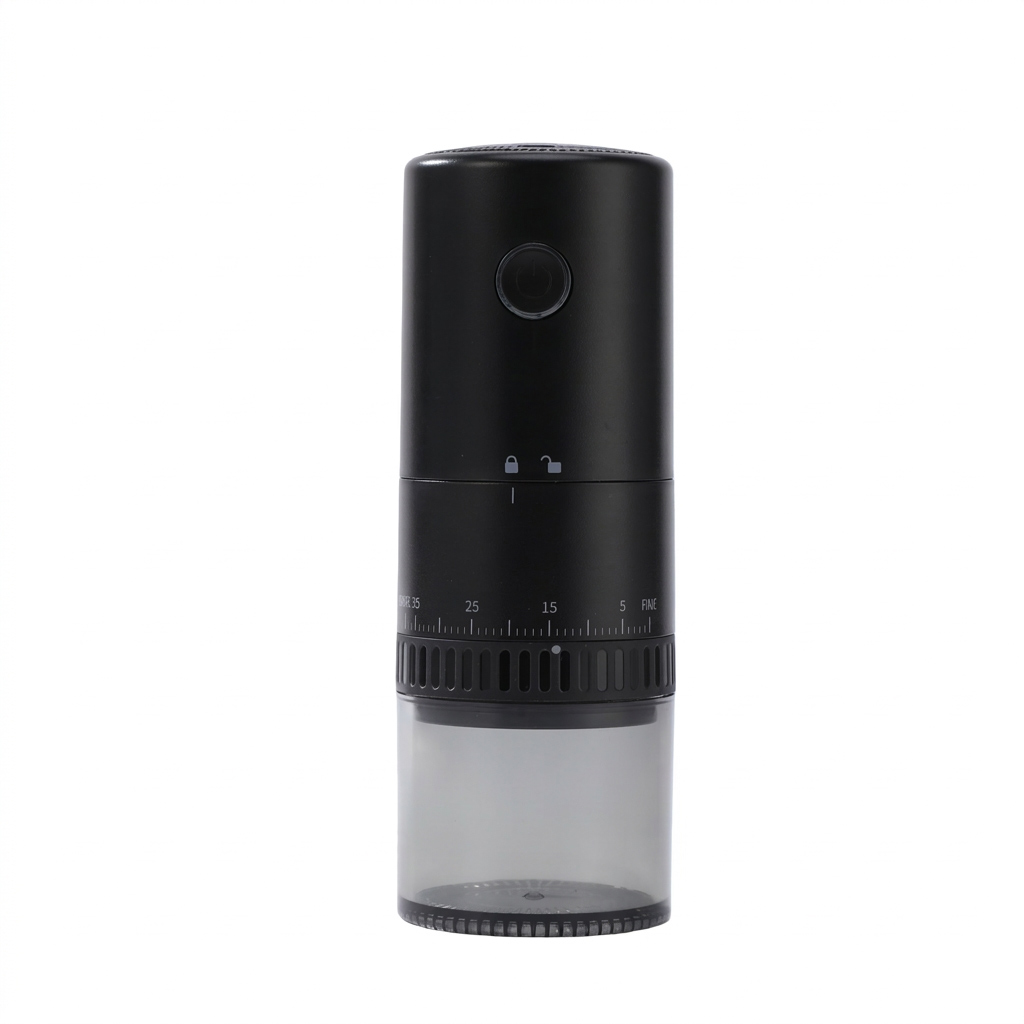
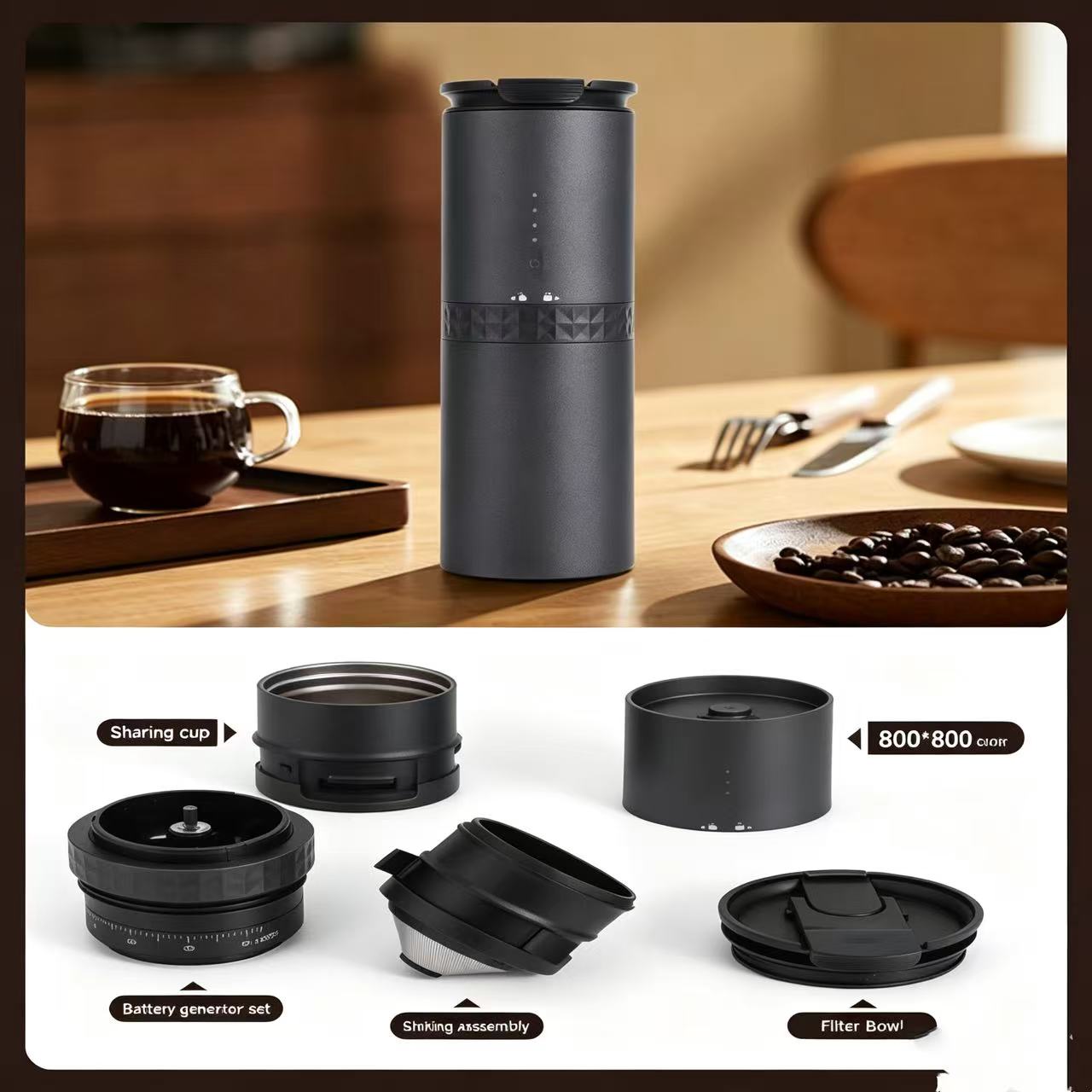
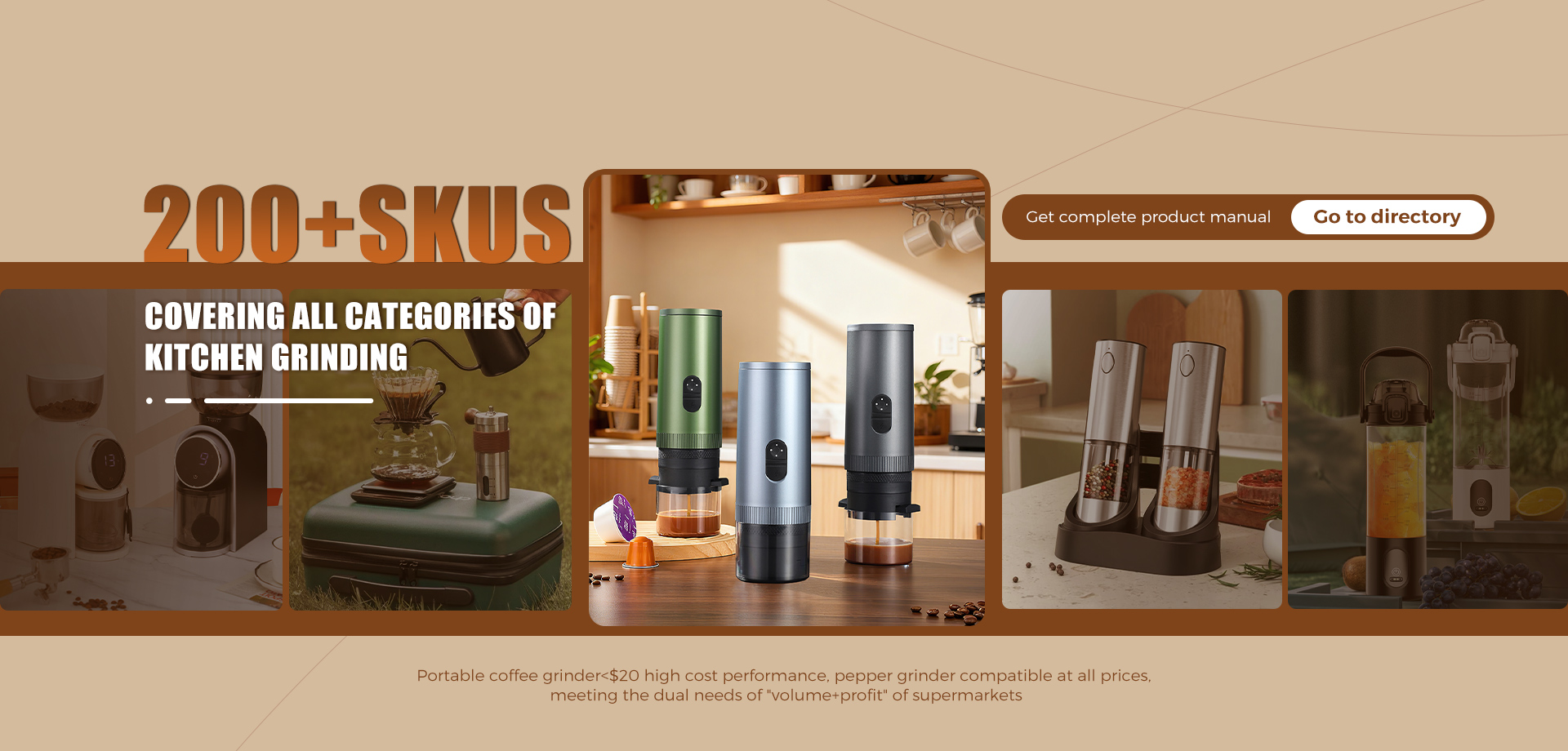
Coffee culture is deeply rooted in the European and American middle class, and homemade coffee at home has become a mainstream lifestyle. The procurement preferences of coffee grinders focus on the three core points of "precise grinding, cold grinding to lock fragrance and compact portability". Precise grinding gears of 38 levels and above, which can adapt to various coffee making methods such as pour-over and Italian, have become the mainstream market demand; the cold grinding technology of ceramic conical grinding discs has become the core selling point of mid-to-high-end products because it can retain the original flavor of coffee; at the same time, mini and rechargeable portable coffee grinders, which fit the outdoor and office scene needs of the middle class, have seen a 50% year-on-year increase in sales.
Portable Juicer: High Efficiency + Leak-Proof + Easy to Clean
Portable juicers are "rigid demand small home appliances" for the European and American middle class, and their procurement preferences focus on "use efficiency and ease of use". The double-blade design can improve the efficiency of ice crushing and juicing, becoming the mainstream market configuration; the full-body leak-proof + safety lock design avoids liquid leakage during use, which is the core purchasing standard; in addition, the detachable and easy-to-clean component design can reduce the cleaning cost after use, becoming an important plus point.
Milk Frother: Multi-Function + Mini + Compatibility
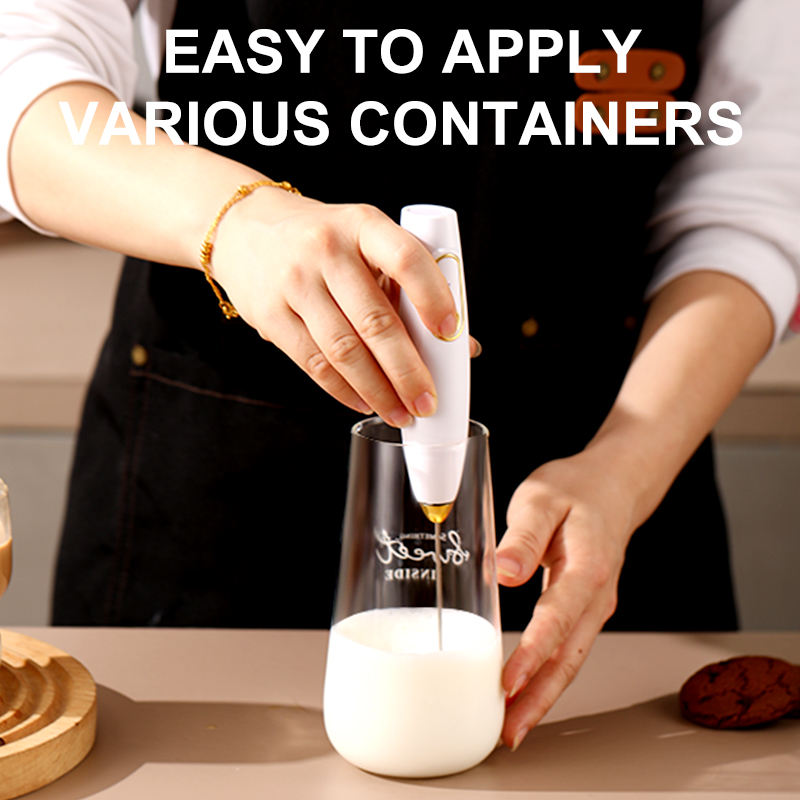
As a coffee supporting small home appliance, the procurement preferences of milk frothers focus on "multi-function, mini and compatibility". All-in-one milk frothers with milk frothing, stirring and whisking functions can meet various needs of light home meals and are more popular; the mini design saves home space and is suitable for small coffee corners; at the same time, milk frothers that can adapt to different cup types and different milk sources (milk, plant milk) have become hot choices in the market.
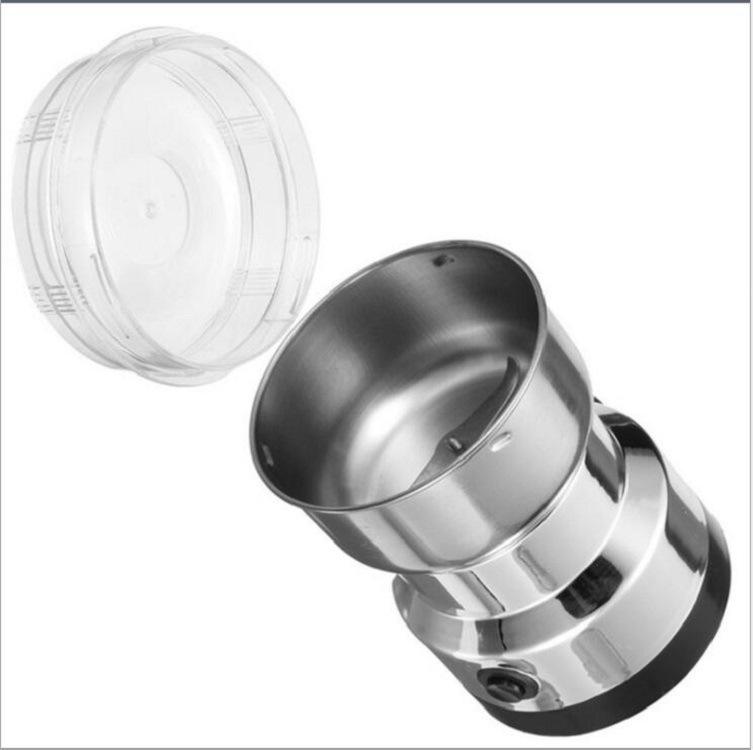
Portable Grinder: Multi-Purpose + Adjustable Thickness + Food-Grade Material
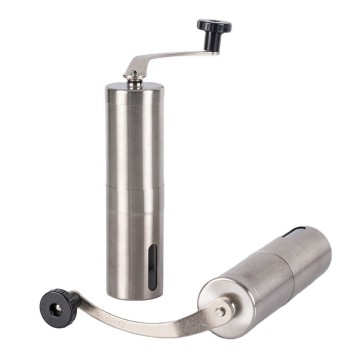
The procurement demand of portable grinders has extended from a single "pepper grinding" to "multi-purpose grinding". Multi-purpose grinders that can grind pepper, sea salt, nuts and spices have become the mainstream; the function of adjustable grinding thickness meets the needs of different cooking scenarios; food-grade safe materials such as ABS and stainless steel are the basic purchasing requirements of the European and American middle class, and related products need to pass international food contact material certifications such as LFGB and FDA.
Sourcing Logic for Buyers to Adapt to Middle-Class Demand
The new procurement logic of small home appliances for European and American middle-class families requires global small home appliance buyers (international supermarkets, chain supermarkets, home appliance wholesalers, gift distributors, etc.) to restructure their sourcing logic, with "accurately matching middle-class demand" as the core, to achieve all-round optimization of product structure, price system and supply chain, and ultimately improve the market competitiveness of products.
Sourcing Logic 1: Focus on Core Categories and Optimize Product Structure
Buyers should tilt their procurement resources towards core categories such as coffee grinders, portable juicers, milk frothers and portable grinders, and reduce the procurement proportion of low-frequency and auxiliary categories. In core categories, build a product matrix of "basic models + mid-to-high-end models" to meet the consumption needs of different middle-class families: basic models focus on high cost performance to meet core functions; mid-to-high-end models focus on function upgrade and quality improvement to meet the middle class pursuing life experience.
Sourcing Logic 2: Strictly Control Product Quality and Match International Certifications
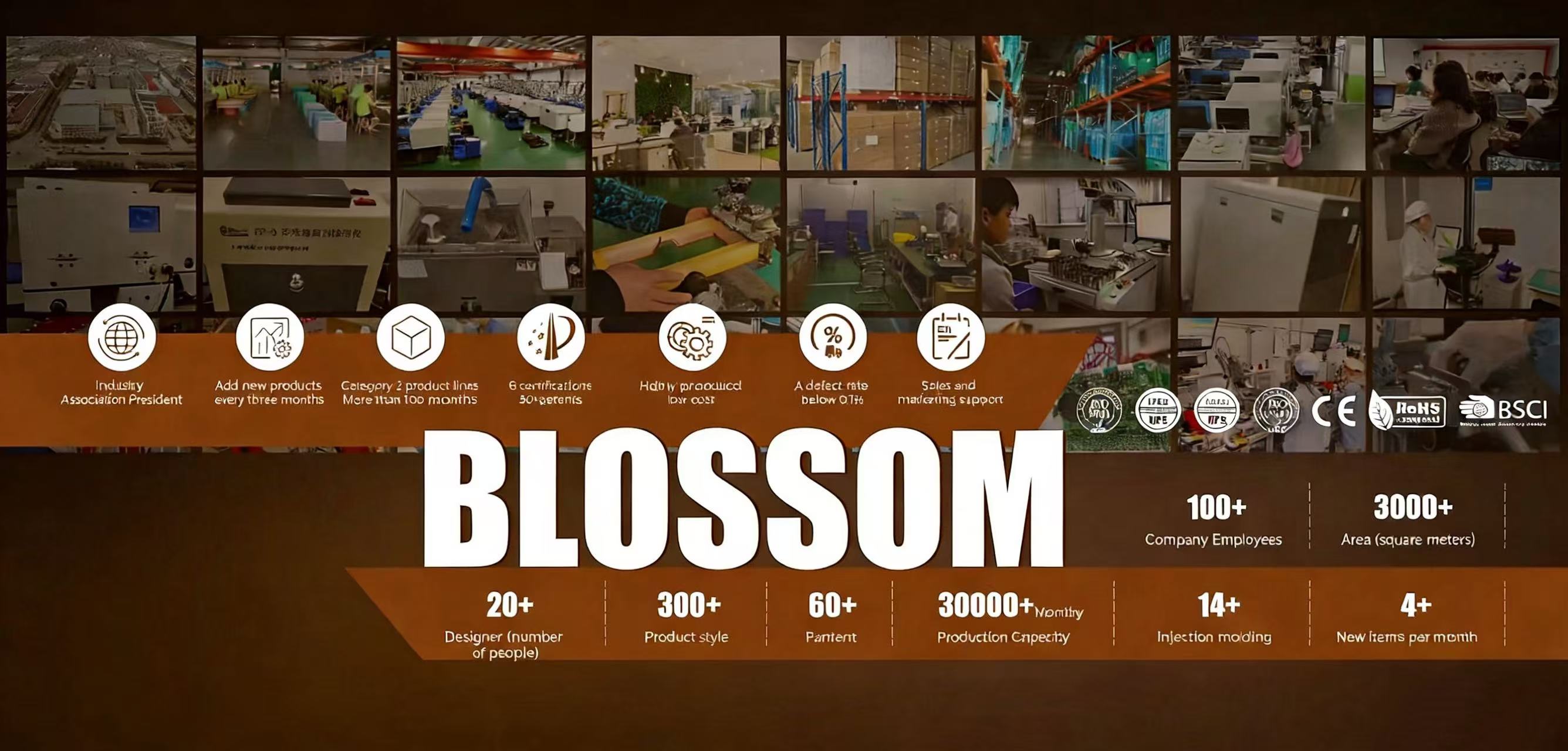
The European and American middle class have extremely high requirements for the quality and safety of small home appliances. Buyers need to strictly control the materials, processes and certifications of products when sourcing. Products need to pass international certifications such as CE, FCC, RoHS, LFGB and FDA to ensure compliance with the safety standards of the European and American markets; at the same time, priority is given to suppliers with a full-process quality control system to ensure that the defect rate of products is controlled at an extremely low level and improve the user experience of consumers.
Sourcing Logic 3: Adapt to Scenario Needs and Focus on Product Design
Buyers' sourcing should closely fit the life scenarios of the European and American middle class, giving priority to small home appliances with portable, mini and easy-to-store designs, adapting to various scenarios such as small-sized residences, outdoor and office; in product design, lean towards simple and versatile styles, fit the aesthetic needs of European and American homes, and improve the market acceptance of products.
Sourcing Logic 4: Balance Price and Value and Reject Invalid Premiums
When cooperating with suppliers, buyers need to achieve a balance between price and value: for basic models, reduce costs through large-scale procurement to ensure the high cost performance of products; for mid-to-high-end models, focus on function upgrade and quality improvement, reflect the price premium on core value, and reject invalid premiums such as brand and packaging. At the same time, customized products can be created for the own brands of supermarkets to achieve accurate matching of price and value.
Sourcing Logic 5: Improve After-Sales Service and Match Long-Term Consumption Demand
The European and American middle class pay attention to the after-sales service of small home appliances. Buyers need to cooperate with suppliers to provide consumers with perfect warranty and maintenance services to match the long-term consumption demand of the middle class. For example, providing a global warranty of 1 year and above and convenient maintenance channels can improve product reputation and promote repurchase.
Double Procurement Considerations of Sustainability and Practicality
Driven by the trend of "green consumption" in Europe and America, sustainability has become an important consideration for the European and American middle class in the procurement of small home appliances, forming a double procurement standard with practicality, and also becoming a new competitive dimension of the small home appliance market. This trend is not only reflected in the consumer side, but also requires buyers and suppliers to integrate the concept of sustainability into the sourcing and production links.
Sustainability on the Product Side: Materials and Energy Saving
The European and American middle class are more inclined to purchase small home appliances with environmentally friendly materials and energy-saving design: food-grade recyclable materials and plastic-free packaging have become product plus points; low-power and rechargeable energy-saving designs fit the concept of green consumption. Research shows that in 2026, the sales of small home appliances featuring "sustainability" in the European and American markets increased by 35% year-on-year, becoming a new growth point of the market.
Sustainability on the Supply Chain Side: Production and Packaging
When choosing suppliers, buyers also begin to pay attention to their sustainability in the production process: priority is given to suppliers with a green production system and energy conservation and emission reduction; at the same time, suppliers are required to simplify product packaging and use degradable and recyclable packaging materials to reduce the environmental impact in the process of logistics and use.
Balance between Sustainability and Practicality
It is worth noting that the European and American middle class's pursuit of sustainability is always based on practicality - they will not sacrifice the function, quality and user experience of products for the sake of environmental protection. Therefore, buyers' sourcing needs to achieve a double balance between "sustainability" and "practicality", avoiding overemphasizing environmental protection while ignoring the core value of products.
Frequently Asked Questions
What are the core procurement standards for small home appliances for European and American middle-class families?
The core procurement standard is "value matching", that is, the price matches the function, quality and frequency of use of the product; at the same time, quality safety, ease of use and durability are also important standards, and the product must pass relevant international certifications.
Why have coffee grinders become a core procurement category for the European and American middle class?
Coffee culture is deeply rooted in the European and American middle class, and homemade coffee at home has become a mainstream lifestyle. The precise grinding and cold grinding to lock fragrance functions of coffee grinders can improve the experience of coffee making, and the frequency of use is high, so it has become a core procurement category.
What are the mainstream procurement needs for portable juicers?
The mainstream procurement needs focus on high-speed juicing, ice crushing efficiency, full-body leak-proof and easy to clean. At the same time, the portable and high-battery life design also fits the multi-scenario use needs of the middle class.
How should buyers build a product matrix of small home appliances to adapt to the needs of the European and American middle class?
Focus on core categories such as coffee grinders and portable juicers, and build a product matrix of "basic models + mid-to-high-end models": basic models focus on high cost performance to meet core functions; mid-to-high-end models focus on function upgrade and quality improvement to meet the middle class pursuing life experience.
What is the impact of sustainability on the procurement of small home appliances in Europe and America?
Sustainability has become an important consideration, but it is always based on practicality. The European and American middle class will not sacrifice the core functions and user experience of products for environmental protection, and buyers need to achieve a balance between the two.
What is the acceptance of brand premiums for small home appliances by the European and American middle class?
The acceptance of brand premiums is low, and they are more willing to pay for the core functions, quality and design of products rather than pure brand value. Therefore, buyers should reject invalid brand premiums and focus on the actual value of products.
Why are mini and portable small home appliances more popular among the European and American middle class?
Most European and American middle-class families are small-sized residences. Mini and portable small home appliances save space and are easy to store, and can adapt to various scenarios such as outdoor and office, fitting the lifestyle of the middle class.
How should buyers control the quality of small home appliances when sourcing?
Priority is given to suppliers with a full-process quality control system to ensure that the defect rate of products is controlled at an extremely low level; at the same time, products must pass international certifications such as CE, FCC, LFGB and FDA to comply with the safety standards of the European and American markets.
What are the core procurement preferences for milk frothers?
The core procurement preferences are multi-function, mini and compatibility. All-in-one milk frothers with milk frothing, stirring and other functions are more popular, and need to adapt to different cup types and milk sources.
What are the after-sales service requirements of the European and American middle class for small home appliances?
They pay attention to long-term warranty and convenient maintenance channels. A global warranty of 1 year and above is the mainstream demand. Perfect after-sales service can improve product reputation and repurchase rate.
Conclusion
The procurement of small home appliances by European and American middle-class families is neither a simple consumption downgrade nor a blind consumption upgrade, but has formed a brand-new logic of "rational upgrade and precise downgrade", whose core is "value matching" - taking the frequency of use and rigid life needs as the yardstick, pursuing the upgrade of quality and function in core categories, and achieving the precise downgrade of cost and function in auxiliary categories. This change in logic is the result of the dual effects of the return of economic rationality and the pursuit of quality of life, and also reshapes the product structure and competitive pattern of the global small home appliance market.
For international large supermarkets, chain supermarkets, home appliance wholesalers, gift distributors and other buyers, it is necessary to keep up with this new procurement logic, focus on core categories such as coffee grinders, portable juicers, milk frothers and portable grinders, build a product matrix of "basic models + mid-to-high-end models", and achieve a multiple balance of quality safety, precise function, reasonable price and sustainability in sourcing. At the same time, it is necessary to strictly control the international certification and quality control of products, improve the after-sales service system, and accurately match the life needs and consumption preferences of the European and American middle class.
In the future, the competition in the European and American small home appliance market will no longer be a "price war" or a "high-end war", but a "value war" - whoever can accurately match the core needs of the European and American middle class and achieve a high degree of fit between product value and consumption demand will occupy a dominant position in the market. This procurement logic centered on "rationality" will also push the small home appliance market to develop in a healthier and more mature direction.
Website:https://www.zjblossom.com/
Email:fiona@zjblossom.cn
Whatsapp:+86 15268683708
#EuropeanAmericanMiddleClassSmallApplianceProcurement #CoffeeGrinderProcurement #PortableJuicer #SmallApplianceConsumptionTrend #EuropeanAmericanSmallApplianceMarket #RationalConsumption #SmallApplianceSourcingLogic #PortableGrinder #MilkFrotherProcurement #GreenSmallAppliances