

 +86 15268683708



News




0102030405
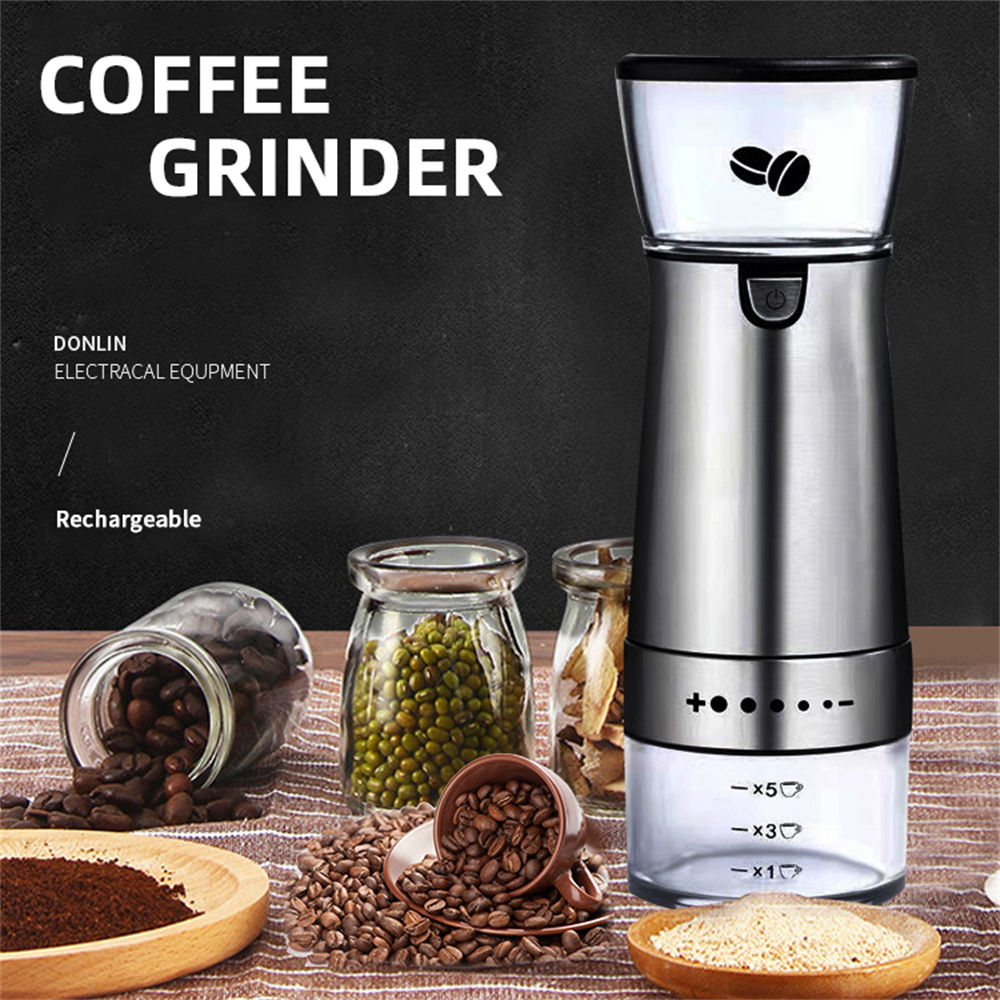
Coffee and pepper grinders
Import Compliance and Labeling Strategy for Small Kitchen Appliances: A B2B Sourcing Guide for EU and US Distributors
2026-09-10
Import Compliance and Labeling Strategy for Small Kitchen Appliances: A B2B Sourcing Guide for EU and US Distributors
For distributors and brand owners, the hardest part of building a small kitchen appliance portfolio is rarely the product itself. It is the regulatory and labeling layer that sits between a finished good and a lawful sale. Electric coffee grinders, spice grinders, milk frothers and juice cups all sit at the intersection of electrical safety law, food-contact material rules and packaging waste regulation. A single missing mark can turn a profitable container into a stranded shipment. This guide walks B2B buyers through a compliance-first sourcing strategy that protects margins and speed-to-market.
Why Compliance Is a Sourcing Decision, Not a Shipping Afterthought
Many importers treat certification as paperwork that appears at the dock. In reality, the design stage determines whether a product can ever be certified. Motor type, insulation, plug configuration, housing material and even the burr coating all feed directly into test outcomes. When you source from a manufacturer that understands destination-market requirements from the first prototype, you avoid the expensive loop of retooling after a failed lab report.
For distributions targeting the European Union and the United States, the two regulatory stacks differ enough that a one-size product often cannot serve both. The smart move is to define the target market before requesting a quotation, then let the factory tailor the bill of materials accordingly.
Electrical Safety: CE for Europe, FCC and UL Considerations for the US
In the EU, small motorized appliances placed on the market must carry the CE marking and conform to the Low Voltage Directive and the Electromagnetic Compatibility Directive. For appliances with motors, the relevant harmonized standards typically cover shock protection, creepage and clearance, and radiated emissions. A milk frother or juice cup with a brushed motor will be tested differently from a burr grinder with a higher-torque universal motor.
In the United States, there is no mandatory federal mark equivalent to CE, but retail and e-commerce channels almost always require FCC compliance for electromagnetic emissions and, for many retail buyers, third-party safety certification such as UL or ETL. The practical B2B rule is simple: if you plan to sell through Amazon FBA or major retail, budget for a recognized lab certification from day one.
- Confirm the exact standards the destination market references before tooling.
- Request the manufacturer's existing test reports and certificate numbers.
- Verify that the report covers your specific model, not a similar sibling SKU.
- Keep a technical file with schematics, BOM and risk assessment on file.
Food-Contact Materials: The Hidden Compliance Layer
Unlike a toaster or a fan, a grinder and a juice cup touch food directly. That makes food-contact material compliance a non-negotiable part of the sourcing checklist. In the EU, materials must meet the Framework Regulation and, where applicable, specific measures for plastics, metals and ceramics. In the US, the FDA maintains its own food-contact substance expectations.
This is where the burr surface matters. The burr coating type chosen for a coffee or spice grinder is not only a performance decision; it is a food-safety decision. Coatings that flake or leach under heat and abrasion create both a functional failure and a compliance exposure. Distributors should ask for material declarations that name the alloy and any surface treatment, and should align those declarations with the destination market's positive list of permitted substances.
For juice cups and milk frothers, the wetted path, seals and blade assemblies deserve the same scrutiny. A material declaration packet that travels with the product from factory to customs broker is one of the cheapest insurance policies a distributor can buy.

Labeling and Language Requirements
Compliance is only enforceable if the end user can see it. Labeling requirements differ by market but share common threads: rated voltage and frequency, power consumption, the manufacturer or importer identity, country of origin, and safety pictograms. The EU additionally expects certain local-language warnings depending on the member state, while the US leans on clear English safety statements and the required marks.
For e-commerce sellers, the label is also a conversion asset. A scannable, honest label reduces returns and chargebacks. When planning an Amazon FBA program for small kitchen appliances, the FNSKU, supplier barcode and compliant warning text must be coordinated with the factory before mass production, because relabeling at a fulfillment center is slow and costly.
- Agree on label artwork and placement during the prototype phase.
- Confirm the importer of record is named for EU and UK responsibilities.
- Keep warning text consistent across packaging, manual and listing.
- Validate barcode readability before the goods leave the factory.
Packaging, Waste Regulations and the EPR Obligation
A growing share of non-compliance risk now lives in the box, not the product. The EU's packaging and packaging waste expectations, plus national Extended Producer Responsibility (EPR) schemes, mean that importers may need to register and report packaging volumes in each member state where they sell. France, Germany and other markets each run their own registries.
Distributors who ignore EPR discover the problem only when a marketplace blocks the listing or a customs broker refuses the entry. The efficient approach is to map the full packaging stack — outer carton, inner tray, foam, manual, sticker — and request the material codes from the supplier so registration can happen early.
Building a Compliant Cross-Category Portfolio
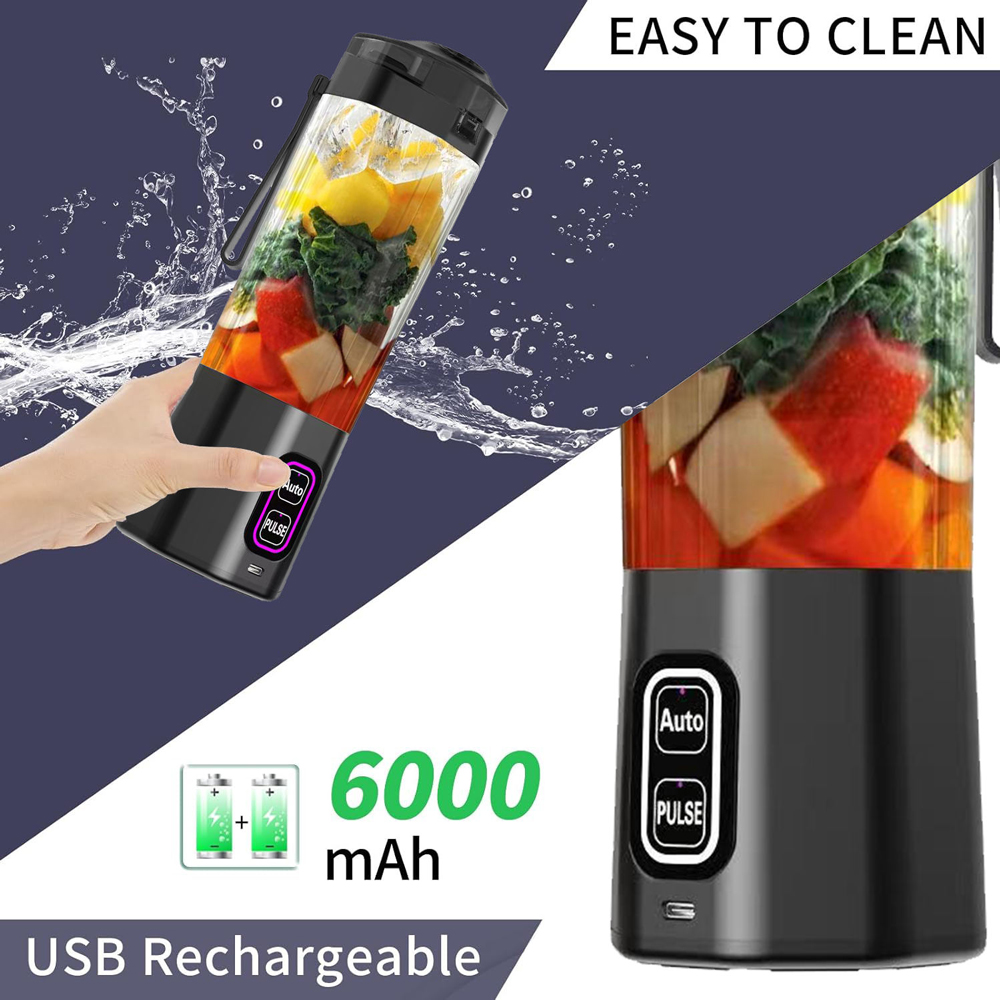
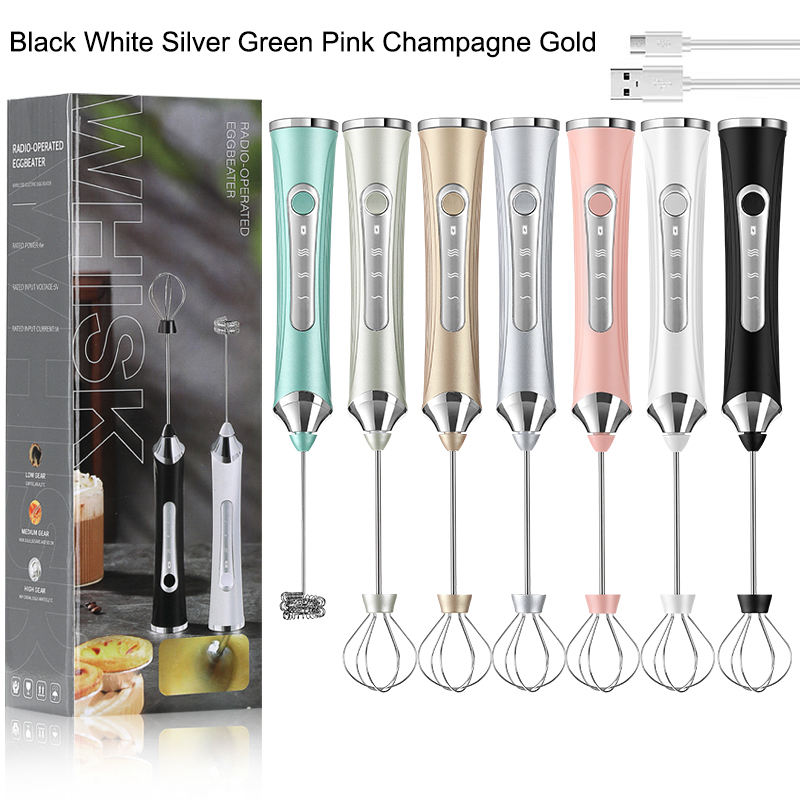
Most distributors do not import a single SKU; they build a shelf. A coherent small-appliance program might pair an electric coffee grinder with a spice grinder, a milk frother and a juice cup, because the shared compliance skeleton — electrical safety, food contact, labeling — amortizes across the family. When one supplier can certify the whole range to your target markets, your compliance cost per SKU falls.
This is also where adjustable grind settings and burr choice become commercial levers. A grinder with adjustable grind settings serves both home enthusiasts and small commercial users, widening the addressable channel without multiplying the certification burden. The key is to confirm that the adjustment mechanism and its materials remain within the certified design envelope.
- Group SKUs by shared electrical and material platform.
- Negotiate a single technical file structure across the family.
- Prioritize suppliers with multi-market certification experience.
- Plan packaging as a system, not per product.
Regional Strategy: EU, US and the UK After Brexit
Post-Brexit, the UK runs its own UKCA marking alongside the still-accepted CE for many goods, while the EU continues with CE. US importers navigate FCC and voluntary safety certification plus state-level nuances. A regional compliance matrix — a simple table mapping each market to its required marks, languages and registrations — prevents the classic error of assuming last year's certificate still covers this year's shipment.
Distributors entering new regions should stage their launches: certify for the highest-bar market first, then down-certify or mirror for adjacent markets. This sequencing protects cash flow and avoids holding inventory that cannot legally sell.
Vendor Due Diligence Questions to Ask Up Front
The compliance conversation starts with the supplier. Before requesting a proforma invoice, ask targeted questions that reveal whether the factory is a compliance partner or a liability.
- Which markets are your current certificates valid for, and to what standard?
- Can you provide a full material declaration for every food-contact part?
- Do you support EPR registration data and packaging material codes?
- Will you keep the certified BOM frozen for the contract period?
- Who is the responsible economic operator named on the label?
A supplier that answers these fluently is worth a small price premium, because it removes the single largest source of unexpected landed-cost spikes: rework after a failed inspection.
Common Pitfalls That Strand Shipments
Even careful distributors stumble on predictable issues. The most frequent is the silent bill-of-materials change, where a factory substitutes a component to cut cost without updating the certificate. Another is assuming a private-label rebrand inherits the original certification; in many cases the importer becomes the legal manufacturer and must hold the file. A third is treating the manual as optional, when authorities routinely check that safety instructions are present and in the correct language.
Tip: Require a signed BOM-lock clause in your supply contract so the certified components cannot be swapped without re-approval, protecting both compliance and your brand reputation.
FAQ
Do I need a separate certificate for every color variant of the same grinder?
Usually not, provided the internal electrical and food-contact parts are identical and only the housing color changes. Always confirm with the notified body and keep a written variation record.
Is CE marking enough to sell in the United States?
No. The US expects FCC compliance for emissions and, for most retail and FBA channels, a recognized safety certification such as UL or ETL. CE alone will not satisfy US marketplaces or retailers.
Who is responsible for EPR packaging registration?
The importer or the established economic operator in the destination market. The factory can supply material data, but the registration obligation typically sits with the local seller.
Can a private-label brand reuse the manufacturer's certificate?
Often the importer becomes the legal manufacturer of record under private label, so you should hold your own technical file and confirm the certificate names the correct economic operator.
How early should compliance be discussed with the supplier?
At the quotation stage. Decisions made in prototyping — motor, plug, coating, housing — determine whether certification is even achievable, so compliance must lead the conversation.