

 +86 15268683708



Industry News
0102030405
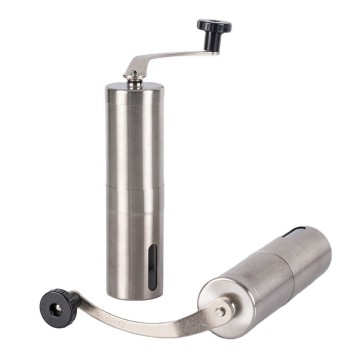
Coffee and pepper grinders
Small Appliance Sample Evaluation Scorecard for Retail Buyers
2026-10-06
Turn product samples into a comparable buying decision
A product sample is useful only when every candidate is reviewed against the same criteria. A small kitchen appliance sample evaluation scorecard helps buyers compare performance, usability, packaging and documentation before a product reaches a supermarket, e-commerce listing, gift program or homeware range.
Use the Blossom Products directory to create a shortlist, then apply the same review process to the exact models being quoted.
1. Set the commercial brief before testing
Record the target market, retail channel, expected customer, target price position, forecast volume, packaging direction and intended use case. A portable blender for outdoor retail should not be scored with exactly the same weighting as a manual coffee grinder for a specialty coffee shop.
The brief should also identify non-negotiable requirements such as charging format, capacity, supported coffee method, material declaration, safety lock or gift-ready packaging.
2. Use six scoring areas
A practical scorecard can use six sections, each scored from 1 to 5:
Product fit
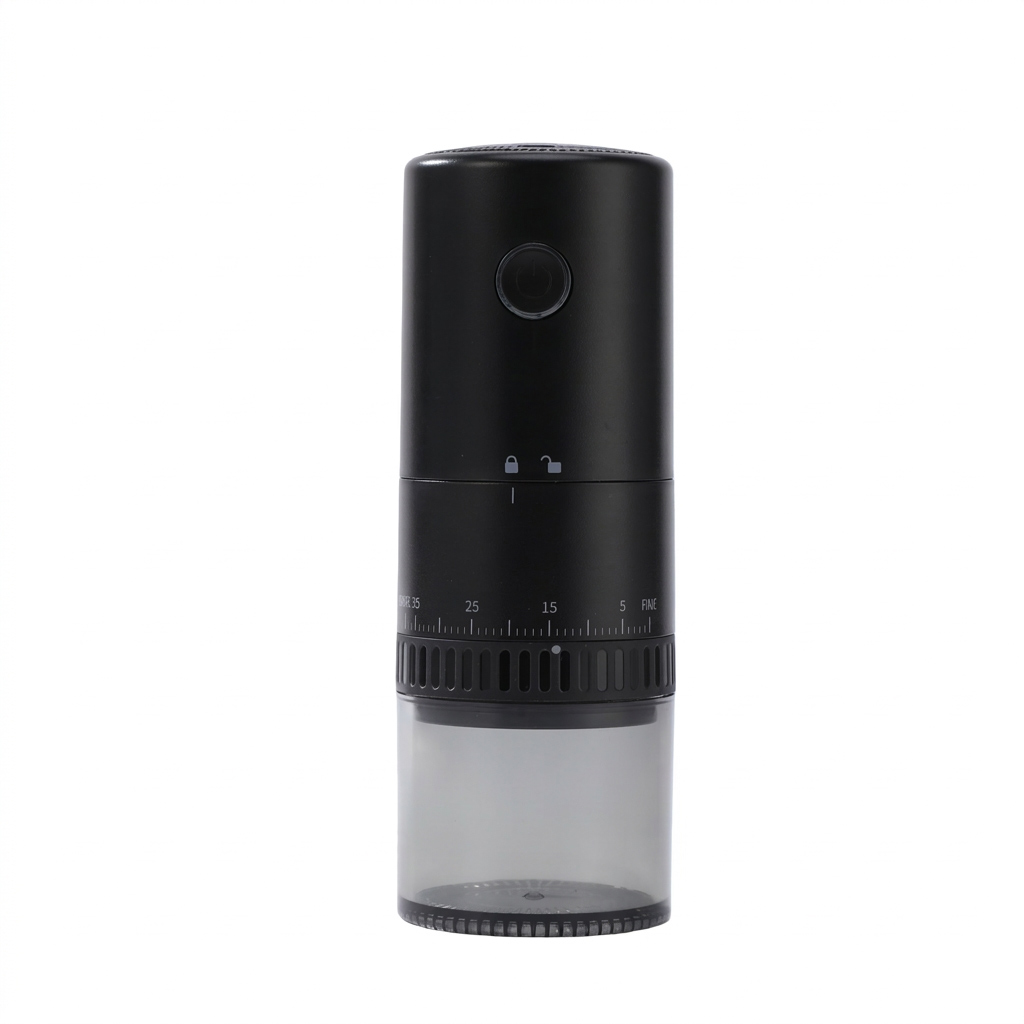
Does the model match the target customer, channel, price ladder and use occasion? Review the electric grinder category, milk frother category and portable blender category according to the planned assortment.
Functional performance
Test the actual job the product is meant to perform: grind output, dosing, foam preparation, heating, blending, spraying or pouring. Record the sample conditions instead of relying on a general description.
Safety and cleaning
Check interlocks, blades, seals, charging protection, cleaning steps and user instructions. A score should reflect both the physical design and how clearly the product communicates safe use.
User experience
Review controls, grip, noise, stability, display, storage, charging, accessory changes and the time needed for routine cleaning. The product should be understandable without extensive staff explanation.
Packaging and listing readiness
Check carton protection, included parts, barcode space, product photography opportunities, language versions, warnings and the clarity of the main selling point. Buyers can also use Blossom’s live listing asset guide when preparing e-commerce content.
Supplier response and documentation
Record response time, model traceability, sample consistency, quotation clarity, applicable certificates, material declarations, warranty information and willingness to document changes.
3. Add product-specific checkpoints
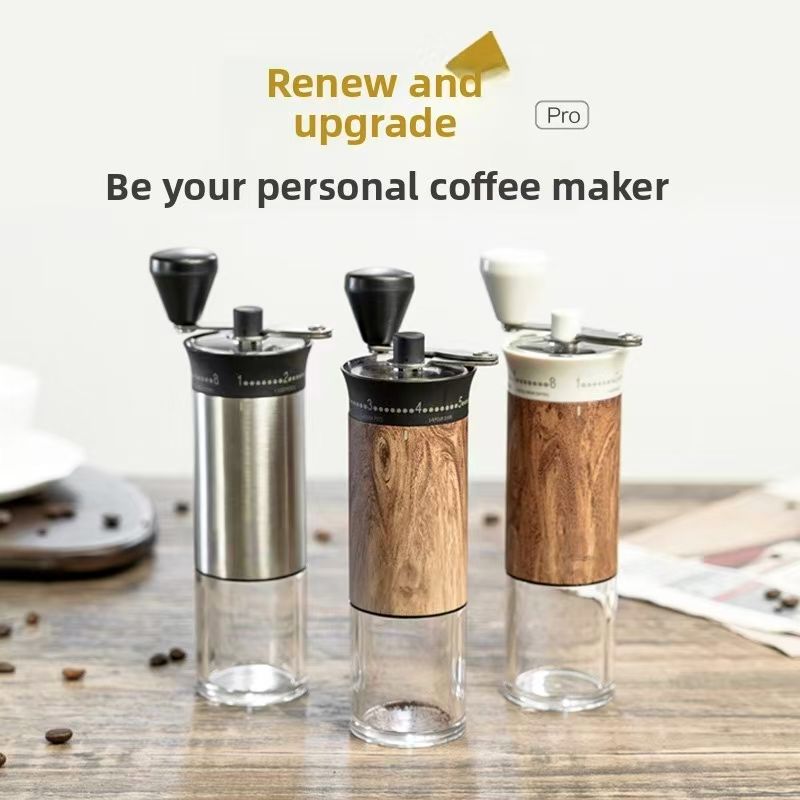
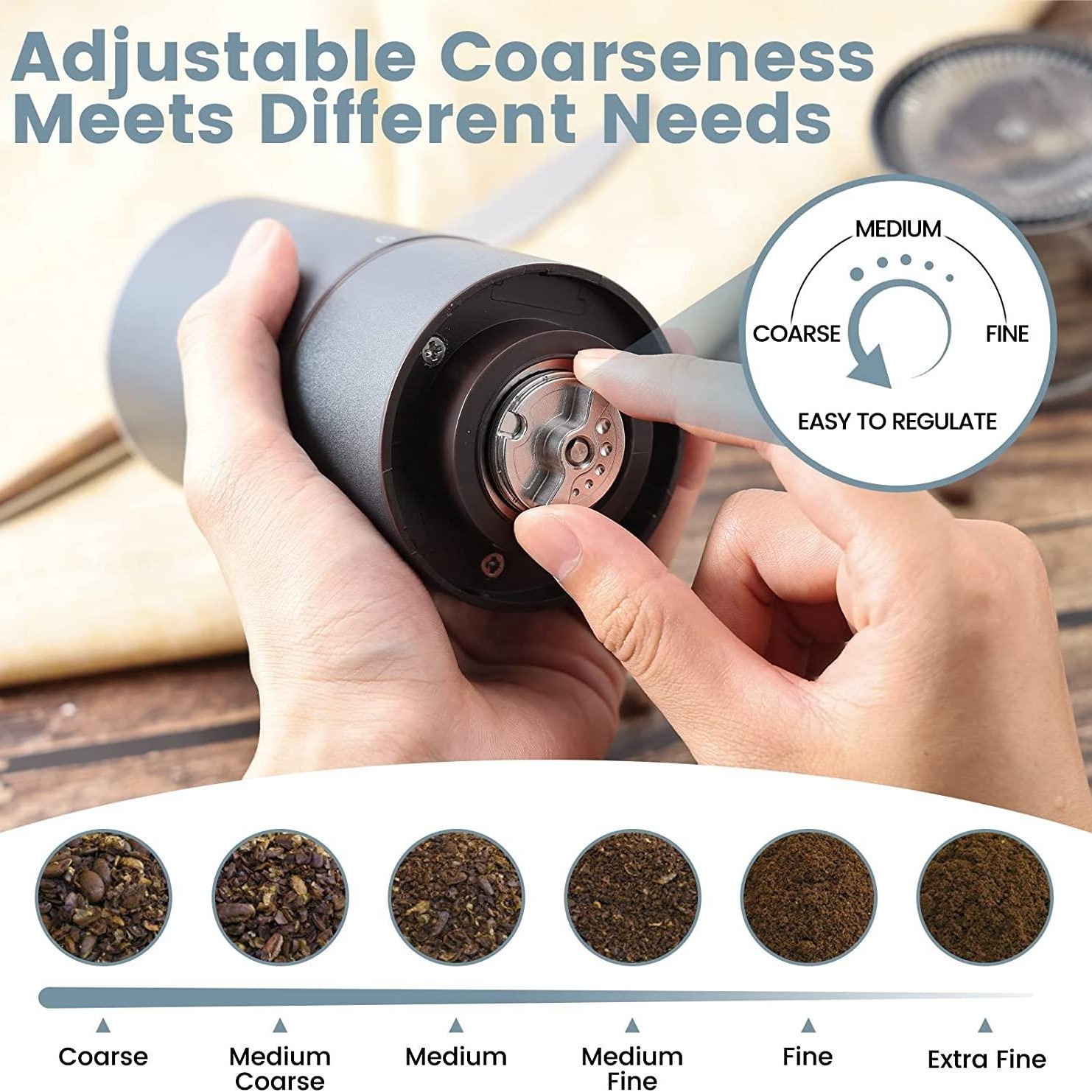
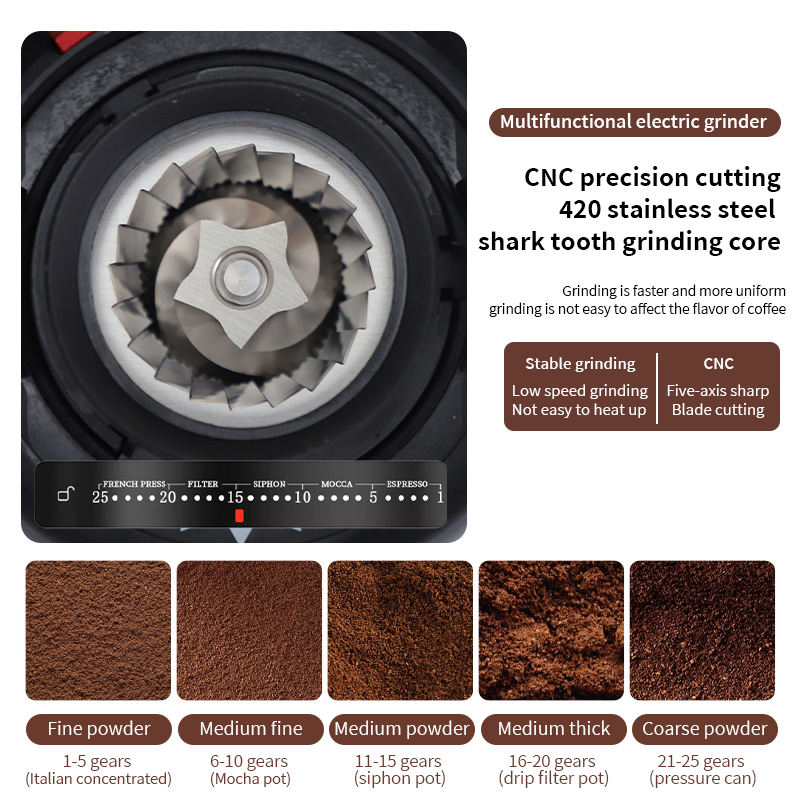
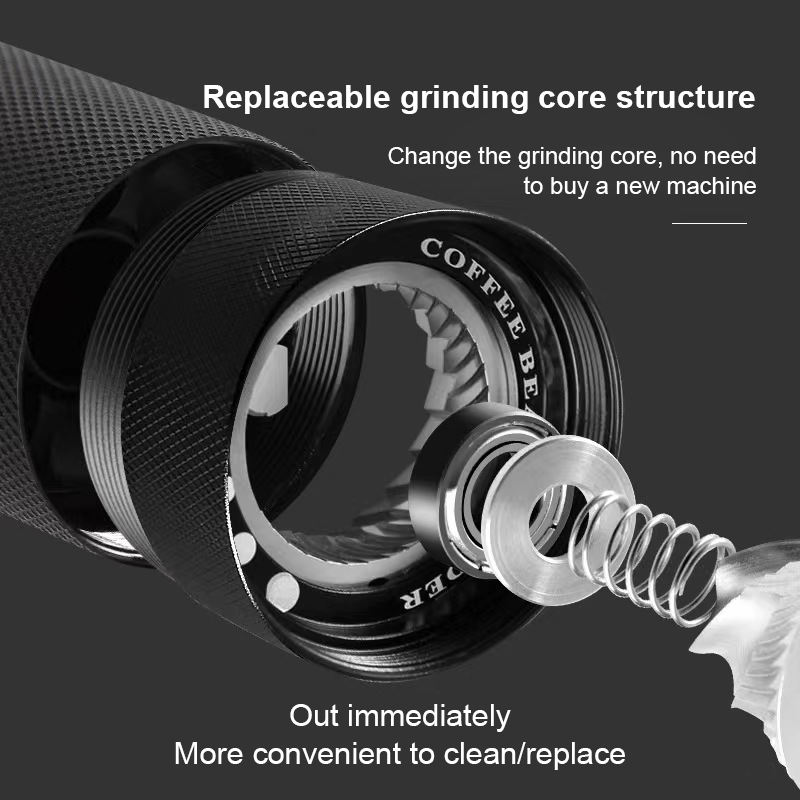
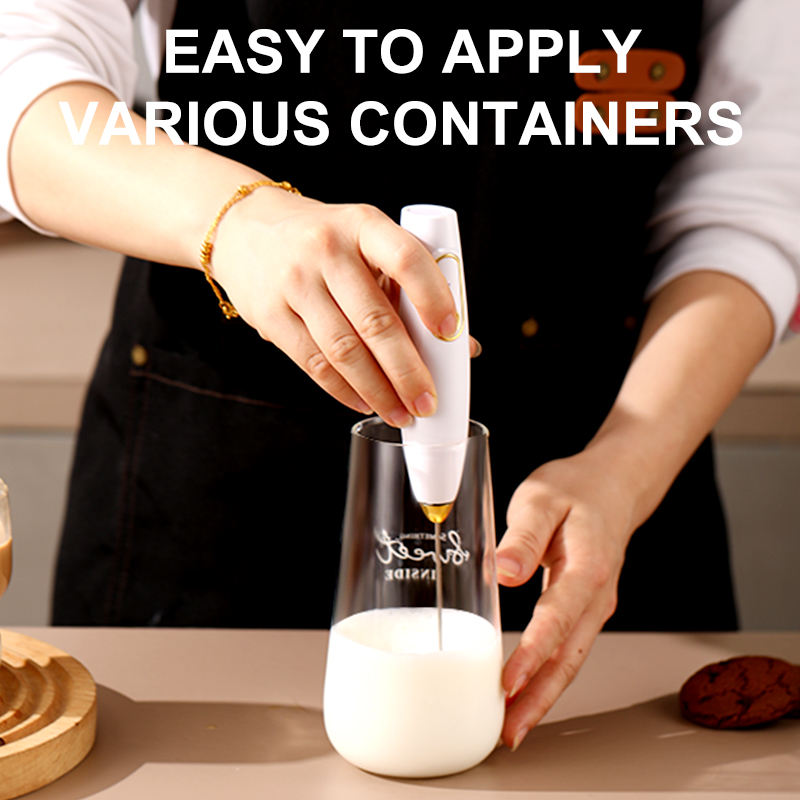
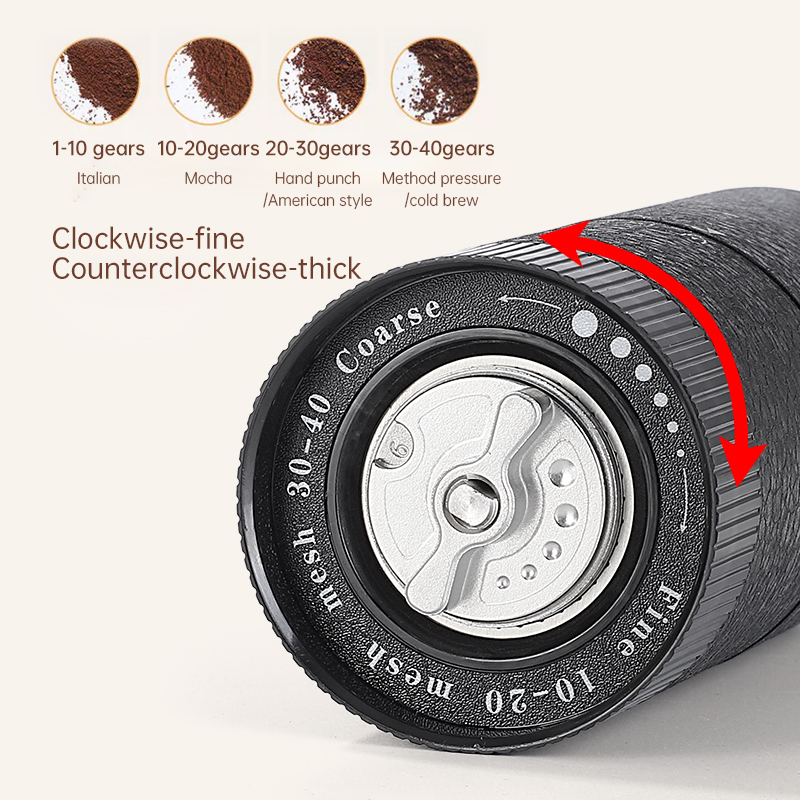
For a coffee grinder, add burr type, adjustment range, grind consistency, grounds retention and catch-cup handling. For a milk frother, add speed control, whisk stability, splash control, charging and cleaning. For a portable espresso maker, add heating, water capacity, extraction cycle, battery and supported inputs.
For a portable blender, use the 650 ml HD-12 model or the 350 ml rechargeable model only as an exact-model sample reference. For oil sprayers, compare spray, pour, leakage, cleaning and bottle stability using the 2-in-1 470 ml model.
4. Use a weighted decision, not one overall impression
A buyer can weight functional performance and safety more heavily than cosmetic appearance. For example:
- Product fit: 20%.
- Functional performance: 25%.
- Safety and cleaning: 20%.
- User experience: 15%.
- Packaging and listing readiness: 10%.
- Supplier response and documentation: 10%.
These weights are a working framework, not an industry benchmark. Adjust them to the channel and record the reason for any change. A model should also fail the review if it has a critical safety, food-contact or documentation issue, even when its weighted score is high.
5. Keep the sample record with the quotation
Save photos, videos, test conditions, model number, packaging version, accessory list, quotation and document references together. If the BOM, battery, burr, material or packaging changes later, repeat the affected test before mass production.
For a product shortlist or sample request, send Blossom the target market, channel, preferred category, forecast volume and evaluation criteria through the Contact Us page.
Final takeaway
A scorecard turns product selection from a catalogue exercise into a controlled decision. It helps buyers compare products fairly, identify hidden risks early and give the supplier a clear route to improve the sample before a retail or private-label launch.
Recommended next reading
- Coffee Grinder Grind Consistency Test Guide
- Built-In Scale Coffee Grinders
- Rechargeable Milk Frothers Retail Buyer’s Guide
- Portable Espresso Makers for Travel and Outdoor Retail
- 2-in-1 Oil Sprayer for Kitchenware Retail
- Portable Blender Safety and Cleaning Guide
- Production QC Inspection Checkpoints for Coffee and Spice Grinders