

 +86 15268683708



News








0102030405
Coffee and pepper grinders
Social Compliance Audits for Small Appliance Suppliers
2026-09-28
Social Compliance Audits for Small Appliance Suppliers: A B2B Guide to BSCI, Sedex and SMETA for Coffee Equipment Buyers
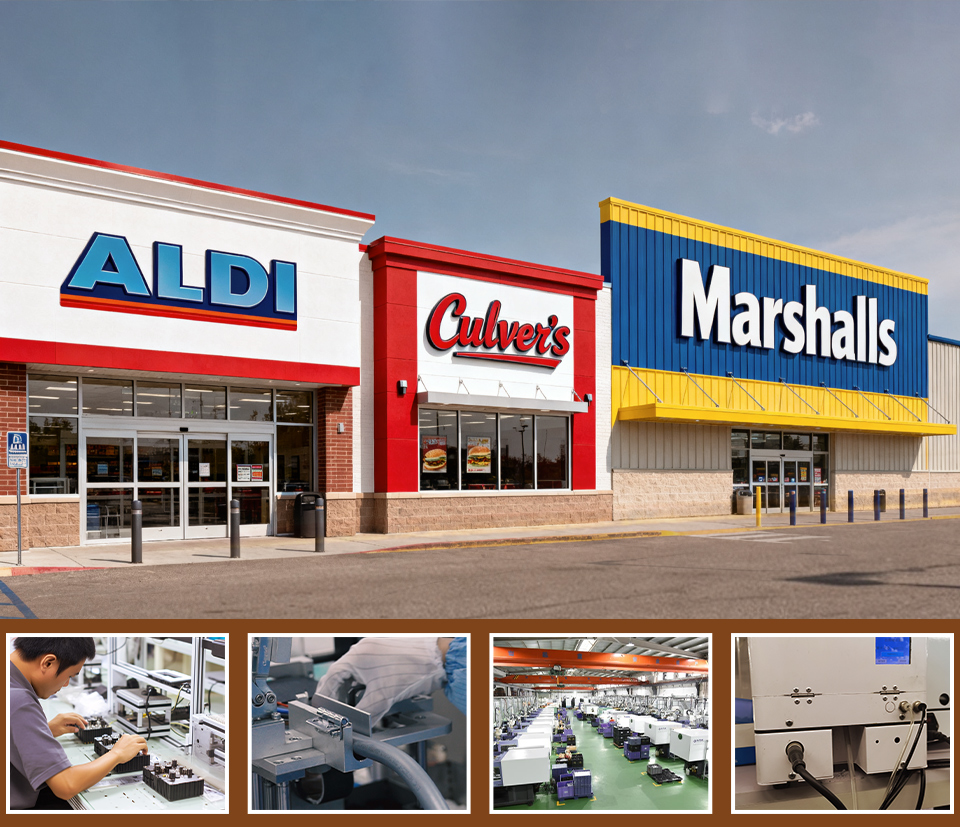
When a European or North American retail buyer shortlists a Chinese factory for electric coffee grinders, spice mills or milk frothers, the conversation no longer stops at unit price, burr material and lead time. Since 2021, procurement teams at chains such as ALDI, Lidl, Carrefour, Tesco, Walmart and Costco have added a gate that sits before the first purchase order: the supplier must hold a current social compliance audit. For importers, distributors and private-label brands that source small kitchen appliances, understanding what these audits cover, how much they cost, and how to write the requirements into a contract is now part of basic sourcing hygiene. This guide explains the BSCI, Sedex and SMETA frameworks in practical buyer terms, using figures drawn from real audit programmes run across Zhejiang, Guangdong and Jiangsu small-appliance clusters.
Why European and US Retail Chains Require Social Compliance Audits
The demand did not start with buyers' goodwill. It started with law. Germany's Supply Chain Due Diligence Act (LkSG) took effect in 2023 and now reaches companies with 1,000 or more employees, pushing audit requirements down to tier-2 suppliers. The EU Corporate Sustainability Due Diligence Directive (CSDDD), agreed in 2024, extends similar obligations across member states, with phased application from 2027. In the United States, the Uyghur Forced Labor Prevention Act (UFLPA) of 2021 shifts the burden of proof onto importers: any goods linked to certain regions are presumed tainted unless the buyer can demonstrate clean sourcing through documented, audited supply chains.
Retailers translate this legal exposure into supplier codes of conduct. A typical code references the ETI Base Code or SA8000, and it names an accepted audit: amfori BSCI, Sedex SMETA, or an equivalent such as WRAP, ICTI or RBA. For a coffee-equipment importer, the practical effect is simple. If your factory cannot show a valid amfori BSCI report, the retailer's onboarding portal will reject the product line before a single container is booked.
Beyond compliance, audits protect the buyer's own margin. A 2022 amfori study estimated that remediation after a public failure costs a brand 3 to 5 times more than prevention through a scheduled audit. For a mid-size distributor moving 40-foot containers of grinders, a forced recall or a delisted SKU is a six-figure event, not a footnote. The audit is therefore not a charity line item; it is insurance priced at a fraction of the risk it removes.
BSCI vs Sedex/SMETA — What Buyers Actually Receive
These two names are often used as if interchangeable, but they describe different things. BSCI is a full programme owned by amfori: it provides a code, a training pool, and a graded report. Sedex is a membership platform, and SMETA (Sedex Members Ethical Trade Audit) is the audit methodology most often uploaded to it. You do not "pass" SMETA with a grade; you receive an audit report built on two or four pillars, and the buyer judges acceptability.
The buyer-side difference matters. A BSCI result comes with a letter grade from A (best) to E (worst), valid for a defined period. That grade travels with the factory's amfori profile and is visible to every BSCI member buyer. SMETA, by contrast, produces a report shared on the Sedex database; it uses best-practice statements rather than a score, so the buyer must read the findings. For a sourcing manager comparing two coffee-grinder factories, BSCI offers faster screening, while SMETA offers deeper, self-owned evidence that can satisfy multiple retail customers at once.
Membership is the other dividing line. To commission a BSCI audit a buyer or supplier needs amfori membership, which carries an annual fee scaled to turnover, commonly USD 1,000 to USD 6,000 for small exporters. Sedex membership sits lower, roughly USD 500 to USD 1,500 per year for a small supplier, which is why many sub-200-worker workshops in the small-appliance belt prefer Sedex. The cheaper entry point also explains why first-time exporters of juice cups and milk frothers often appear on Sedex first.
SMETA 2-Pillar vs 4-Pillar — How Much You Are Really Covering
The pillar choice decides both cost and risk coverage. The 2-pillar SMETA methodology covers Labour Standards (the ETI Base Code) and Health & Safety. That is enough for many private-label brands whose retail partners accept the minimum. A 4-pillar SMETA audit adds Environment and Business Ethics, the latter covering anti-bribery, books-and-records and sub-supplier transparency.
For coffee-equipment buyers the fourth pillar is not cosmetic. Small-appliance production involves die-casting, powder coating and motor winding, all of which generate waste-stream and chemical-handling questions that the Environment pillar examines. Business Ethics catches the quiet risks: undocumented subcontracting, falsified wage books, and commission payments that no auditor should see. A 4-pillar audit typically needs two auditors for two days on a 150 to 250 worker site, against one auditor for one to two days under the 2-pillar scope. The extra man-day is the price of the wider net.
The cost gap is modest against the downside. In Zhejiang small-appliance clusters, adding the two extra pillars raises the audit fee by roughly USD 400 to USD 800, a small premium when a single retail contract is worth USD 200,000 or more annually. Buyers who accept 2-pillar only to save that amount often regret it when a retail customer later demands the full four.
The Most Common Non-Conformities in Small-Appliance Factories
Auditors in this sector see a repeating pattern. Working hours are the single largest source of findings. Chinese labour law caps the standard week at 40 hours and overtime at 36 hours per month, yet many grinder and frother lines run six-day weeks during peak season, pushing totals to 60 or 72 hours. Buyers should demand explicit working-hour caps written into both the audit scope and the supply contract, because a factory that quietly exceeds them will fail the next random check.
Wage and record gaps follow close behind. Frequent issues include piece-rate pay that dips below the local minimum wage, missing social-insurance enrolment for temporary workers, and payroll ledgers that do not reconcile with time-card systems. Fire safety is the third chronic category: blocked emergency exits, extinguishers past their 12-month service date, and no documented fire drill in the previous six months. For metal and coating operations, occupational health findings cluster around inadequate PPE, unmonitored noise above 85 dB(A), and uncontrolled solvent storage near winding stations.
In small-appliance workshops specifically, the undeclared temporary workforce is the trap. A factory may keep 60 contracted core workers on paper but bring in 40 seasonal helpers for the Q3 rush without contracts or insurance. That gap alone can downgrade a BSCI result from B to D, and it is invisible to a buyer who only reads the headline grade rather than the worker-roll appendix.
CAP, Follow-Up Audits and Re-Audit Cycles
A non-conformity is not the end of the relationship. The factory submits a Corrective Action Plan (CAP), normally within 15 to 30 days of receiving the report. Minor findings close with document evidence; structural or systemic issues require a follow-up audit, typically scheduled 30 to 90 days later depending on severity. Zero-tolerance items — child labour, forced labour, human trafficking — trigger immediate disqualification and, under UFLPA, potential customs detention of goods at the port of entry.
Buyers should track the standard 12-month re-audit cycle for SMETA and the grade-linked BSCI calendar described below. Missing a re-audit window silently expires the report, and a retailer's system will flag the SKU as non-compliant even if nothing changed on the factory floor. Set a calendar reminder 60 days before any report's assumed expiry; the audit itself then needs its own 4 to 6 week lead time.
Report Validity, Audit Seasons and Timing Your Orders
BSCI grades carry fixed validity: A or B reports stay valid for 24 months, C for 12 months, D or E for only 6 months. SMETA reports have no universal expiry; most retail buyers treat them as valid for 12 months from the audit date, after which a fresh audit or at least a desktop update is expected. A buyer who files a two-year-old SMETA under a new retail code will usually be sent back to the auditor.
The "audit season" is a real planning constraint. From August to October, Zhejiang and Guangdong factories flood audit requests to hit Christmas-order cut-offs, and accredited auditors book out 4 to 6 weeks ahead. A buyer who leaves the audit to the week the purchase order is signed will either pay a premium for a rushed slot or miss the shipping window. Smart importers book the audit 8 to 10 weeks before PO confirmation, which also leaves room for a follow-up if the first result throws up major findings.
Tip: Schedule your supplier's audit at least 8 weeks before the purchase order is confirmed, because peak-season auditor slots in Zhejiang and Guangdong factories are typically booked 4 to 6 weeks in advance.
Who Pays the Audit Fee — and What the Range Looks Like
By default the supplier pays, because the audit benefits the factory's sales pipeline across multiple buyers. For a 200-worker Ningbo small-appliance plant, a 2-pillar SMETA audit runs about USD 1,200 including the auditor's man-day and reporting, while a 4-pillar version lands near USD 1,800. A BSCI audit for a similar site typically costs USD 1,500 to USD 2,400, before travel. Remote or rural sites add USD 200 to USD 500 in auditor travel and, where needed, an interpreter at USD 150 to USD 300 per day.
When a buyer demands an exclusive or unshared audit — one not uploaded to Sedex or amfori, kept private to that customer — it is normal for the buyer to share or fully cover the fee. Exclusive audits range higher, from USD 2,500 to USD 3,500, because the factory cannot amortise the cost across other customers. Budget this line item explicitly in the sourcing cost model rather than discovering it after the quotation, and note that an exclusive audit also slows future re-sales to other brands that cannot see the evidence.
Writing Social-Audit Requirements Into the Purchase Contract
A handshake and a copy of last year's report are not enough. The purchase contract should name the accepted standard, the minimum grade or pillar set, and the evidence the supplier must keep current. A workable clause reads: "Supplier shall maintain a valid amfori BSCI Grade C or better, or a Sedex SMETA 4-pillar audit not older than 12 months, and shall provide the report reference and, on request, the full report." The clause should also grant the buyer a right to witness or commission a re-audit at defined intervals, set a remediation deadline of 30 to 60 days for major findings, and state that zero-tolerance failures permit immediate contract termination without penalty to the buyer.
Buyers often forget to address cost allocation. State clearly whether the supplier bears the audit fee or whether the buyer co-funds an exclusive audit, and define who owns the report. Ownership matters when a factory supplies three competing brands; a shared Sedex upload serves all, but a private BSCI copy may need re-permission each season. A one-paragraph audit clause drafted before signature prevents the nine-email argument that follows a failed re-check.
Subcontracting, Sub-Suppliers and Audit Pass-Through Risk
The audit covers the site named on the report. It does not automatically cover the workshop down the road that assembles motors, or the packaging house that prints cartons. Undeclared subcontracting is the most common way a clean audit becomes worthless. A coffee-grinder buyer should require a sub-supplier audit pass-through clause that obliges the primary factory to disclose every sub-tier involved in grinding, coating, assembly and packing, and to provide either that sub-supplier's own valid audit or a joint-audit record.
For private-label programmes this is non-negotiable. A retailer's due-diligence team will trace the bill of materials; if the motor winding happens at an unaudited site, the entire product line fails regardless of the assembly plant's grade. Practical buyers request a sub-supplier list with audit references at the quotation stage, not after the first container ships. The list should name the legal entity, the site address, and the audit report number for each tier, so the trail is checkable on the platform rather than on trust.
Buyer-Conducted Factory Visits vs Third-Party Audits — A Trade-Off
A buyer's own engineer visiting the plant builds relationships and catches obvious issues cheaply — a two-day visit costs little beyond airfare and local transport. But a buyer walk-through is not recognised by retailers and carries no graded evidence that a compliance portal will accept. Third-party audits from accredited bodies (SGS, Bureau Veritas, TUV Rheinland, Intertek, or licensed local firms) cost more yet produce the recognised certificate a retailer's onboarding system requires.
The efficient model is hybrid. Run a buyer visit to assess capability and culture, then require a third-party SMETA or BSCI audit for the compliance record. For an annual programme of 5 to 10 container orders, one third-party audit plus two buyer visits per year keeps both credibility and cost in balance, typically under USD 4,000 combined. The buyer visit also gives the commercial team a read on whether the factory will still be standing — financially and physically — when the reorder lands in Q4.

FAQ — Social Compliance Audits for Coffee Equipment Buyers
What is the difference between BSCI and SMETA?
BSCI is a graded programme owned by amfori that returns a letter score from A to E, while SMETA is the Sedex audit methodology that produces a detailed report without a pass-or-fail grade. BSCI needs amfori membership; SMETA needs Sedex membership. Buyers use BSCI for fast screening and SMETA for deeper, multi-customer evidence that several retail partners can read from the same upload.
How long is a SMETA audit report valid?
SMETA has no fixed expiry, but most European and US retailers accept it for 12 months from the audit date. After that they expect either a fresh audit or a verified desktop update. BSCI grades follow stricter rules: A and B last 24 months, C lasts 12 months, and D or E only 6 months, so the grade you accept at signing dictates how soon you will pay for the next round.
Who pays for the social compliance audit?
The supplier normally pays, because the audit serves the factory's broader sales pipeline. For an exclusive, private audit requested by one buyer, that buyer usually shares or covers the fee, which ranges from about USD 900 for a basic 2-pillar SMETA at a small site to USD 3,500 for a private, multi-pillar audit with travel. Always confirm the split in writing before the auditor is booked.
Can a buyer accept a supplier's previous audit report?
Yes, provided the report is current, names the correct site and scope, and comes from an accepted standard. A 14-month-old SMETA report or a BSCI Grade D from eight months ago would typically be rejected. Always verify the report reference on the amfori or Sedex platform rather than trusting a PDF, because falsified audit documents do circulate in busy sourcing districts.
What happens if a factory fails the audit?
For non-zero-tolerance findings, the factory submits a CAP within 15 to 30 days and undergoes a follow-up audit 30 to 90 days later. For zero-tolerance issues such as child or forced labour, the relationship ends immediately and goods may be detained at customs under UFLPA. A single major failure does not always end the contract if remediation is credible, documented and completed inside the agreed window.
How far ahead should I schedule an audit?
Book 8 to 10 weeks before purchase-order confirmation. Auditor capacity in Zhejiang and Guangdong peaks from August to October, with slots booked 4 to 6 weeks out. Leaving the audit until the PO week risks a rushed premium or a missed shipping window before the Christmas retail cycle, and removes the buffer you need for a possible follow-up audit.